
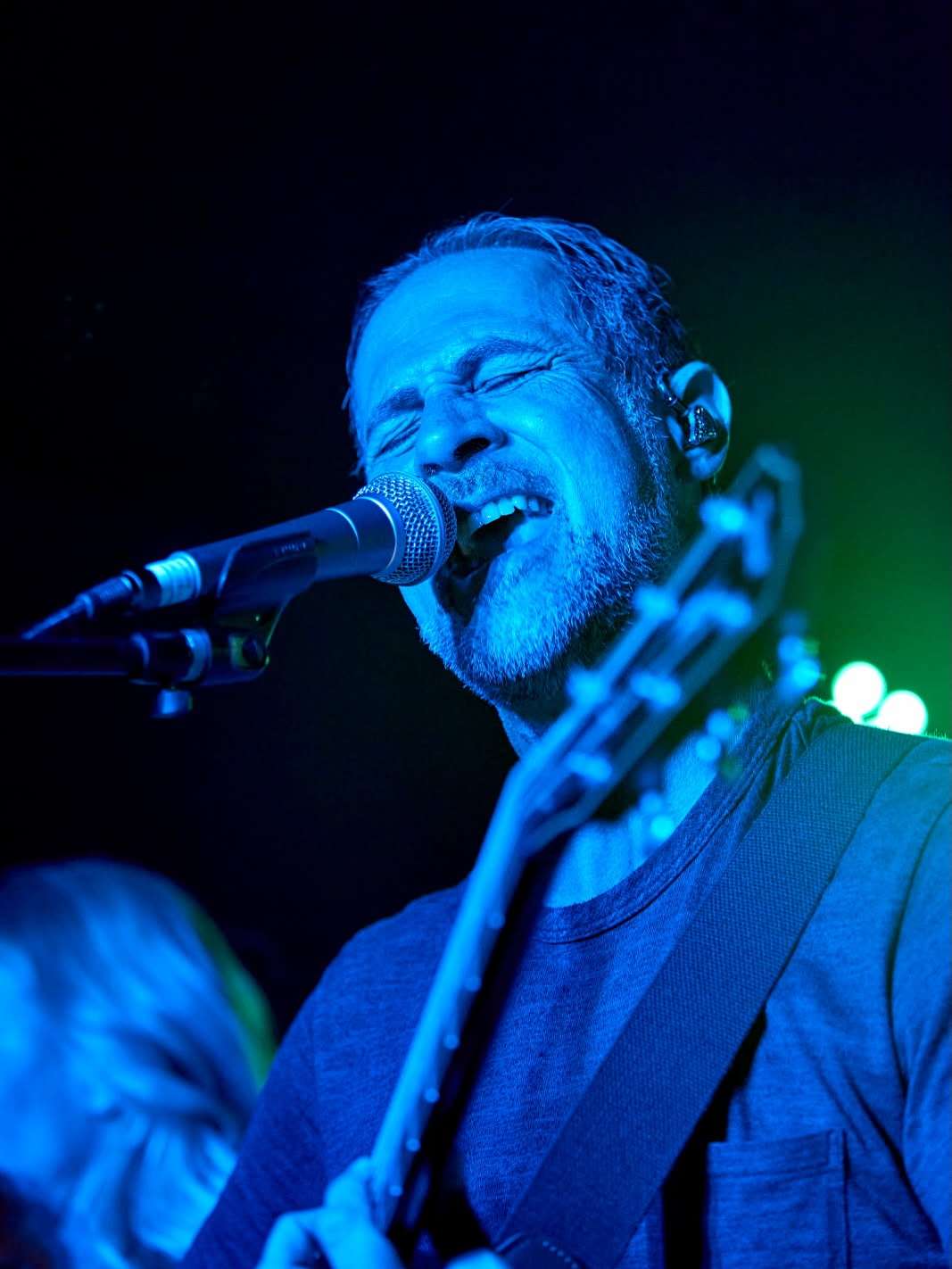
There is something refreshing about a band that allows music to grow naturally rather than forcing it into a fixed shape, and that spirit defines the John Muka Band. Built on genuine chemistry, thoughtful songwriting, and a fearless willingness to let songs evolve, the group has created a sound that blends indie rock, Americana, funk, soul, and improvisational energy into something both familiar and unexpected.
What began as the creative vision of John and Troy has expanded into a full collaborative force, with each member bringing their own personality and musical influences into the mix. From layered vocals and vibrant horn sections to emotional violin melodies and live-driven arrangements, the band thrives on interaction and spontaneity.
Their latest single, More & More, captures that creative momentum perfectly. Alive with groove and emotional depth, the song reflects the tension between gratitude and longing, a theme many listeners will instantly connect with. It is the kind of record that feels deeply personal while remaining widely relatable, balancing uplifting energy with thoughtful reflection.
As they prepare for an exciting new chapter leading into their full album release in late summer 2026, John Muka Band continues to push their sound into more cinematic and emotionally layered territory while staying grounded in authenticity.
In this exclusive interview, the band opens up about their creative journey, the making of More & More, preserving live authenticity in the studio, and what listeners can expect from their highly anticipated upcoming single, Bus Stop.
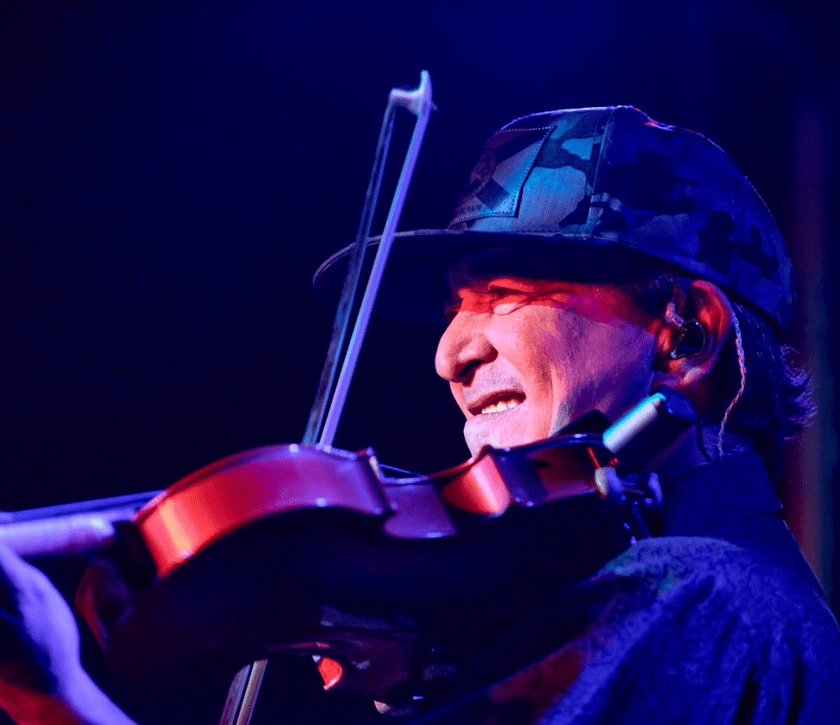
Introduce the band and how it came together?
The John Muka Band is a collective built around strong songwriting, live energy, and the chemistry that happens when a group of musicians with different backgrounds genuinely listen to each other. At its core, the band blends indie rock, Americana, funk, soul, and improvisational elements into something that feels both familiar and unpredictable.
What makes the project unique is that it evolved very organically. It started around John and Troy’s songs and vision, but over time it became more collaborative as different players brought their own personalities and influences into the music. The addition of horns, violin, layered vocals, and diverse instrumentation really expanded the emotional range of the band. We’ve grown into a group where the arrangement and feel of a song are just as important as the
songwriting itself.
How did your wide musical identity develop?
A lot of it happened naturally through playing together live. Everyone in the band comes from slightly different musical worlds — indie rock, jam bands, funk, jazz, roots music, soul, even orchestral and folk influences — and instead of trying to force those styles into one lane, we embraced the tension between them.
We never sat down and said, “Let’s create a genre-blending band.” It was more that the songs kept evolving once the full band got involved. A horn line might push something toward soul or funk, while the violin could pull the emotional tone into Americana territory. Live performance also shaped the sound because we allow space for songs to breathe and evolve on stage. That spontaneity became part of the band’s identity.
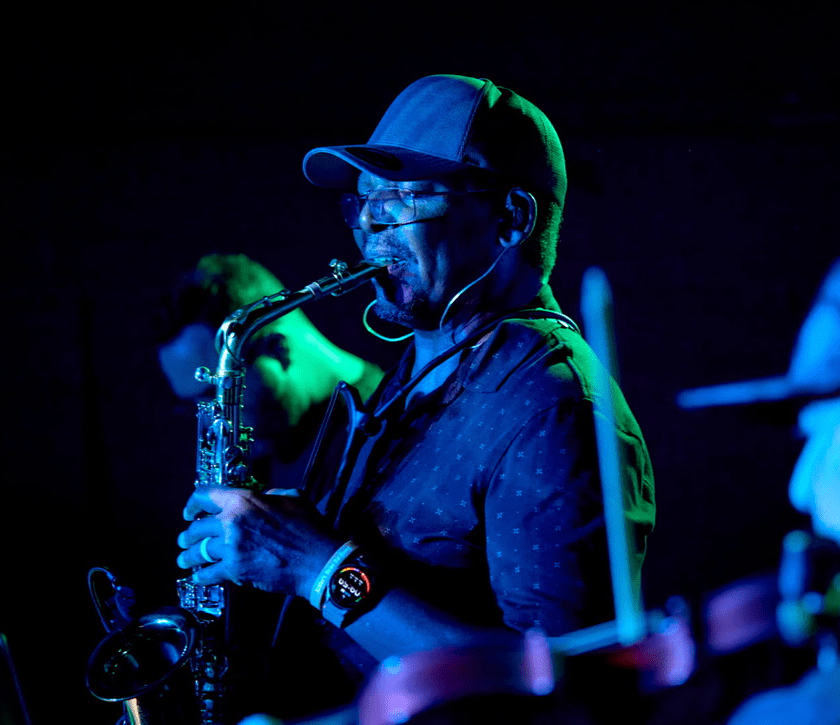
Inspiration behind “More & More”
“More & More” came from wanting to capture that feeling of emotional momentum — the excitement and energy of chasing connection, inspiration, and experience while also recognizing how easy it is to keep wanting more from life. Musically, we wanted it to feel uplifting and alive from the very first seconds.
The recording process focused heavily on preserving live energy. Instead of over-polishing everything, we leaned into groove, interaction, and feel. We wanted listeners to hear musicians reacting to each other in real time. The goal was to make it feel like you stepped into the middle of a live performance where everybody is feeding off the same emotional current.
The emotional theme of “More & More”
At its heart, the song is about human restlessness. There’s this tension between appreciating what you have while still feeling pulled toward something bigger, deeper, or more meaningful. I think That’s something almost everyone relates to in some way.
As musicians, you’re constantly chasing growth—creatively, emotionally, and personally—and sometimes you realize the pursuit itself becomes part of who you are. The song reflects that balance between gratitude and longing. There’s a positive energy to it, but there’s also reflection underneath the surface.
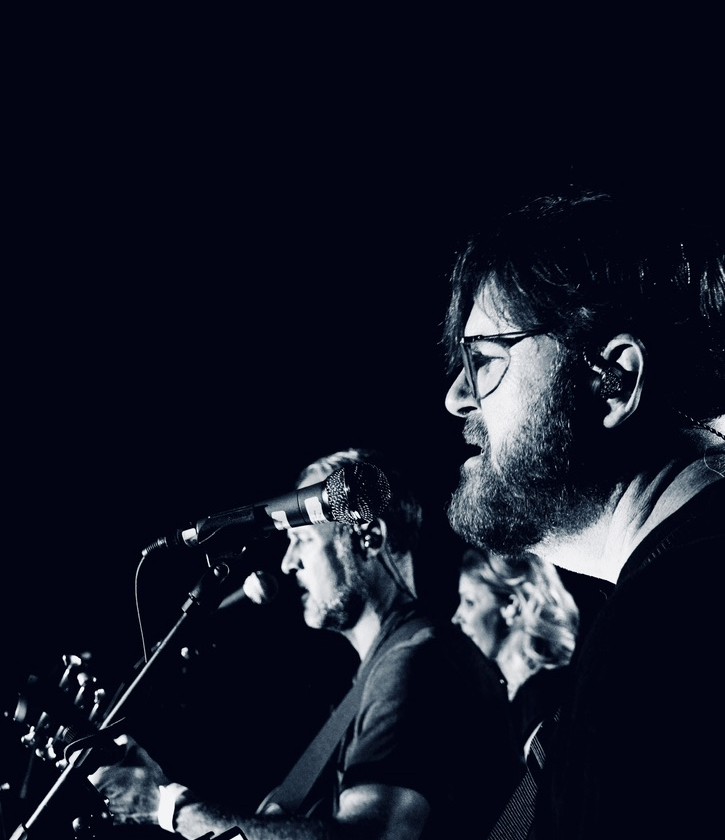
How do you approach arrangement and production?
A big part of it is knowing when not to play. With a larger ensemble, space becomes just as important as complexity. We spend a lot of time thinking about dynamics, texture, and how different instruments can complement each other instead of competing.
The arrangements usually evolve through rehearsal and experimentation. Someone may introduce a horn phrase, a violin counterline, or a rhythmic groove that changes the emotional direction of the song. We try to leave room for every instrument to have purpose while still serving the song as a whole. The goal is richness without clutter.
Preserving live authenticity in the studio
That’s extremely important to us. We want the recordings to feel human and alive rather than overly edited or mechanical. A lot of the emotional connection in our music comes from interaction between players, so we try to preserve as much of that as possible during recording.
We often track foundational parts live together because it captures subtle moments you can’t really manufacture later — tempo movement, dynamics, eye contact, energy shifts. We also avoid over-correcting performances. Sometimes the imperfections are what make a track emotionally believable.
Influences on the band
There are a lot of influences woven into the band’s sound. You can definitely hear inspiration from classic jam-band traditions where live improvisation and musicianship are central, but there’s also a strong indie-rock songwriting influence in the structure and emotional tone of the songs.
Bands and artists that value authenticity, groove, and emotional storytelling have all shaped us in different ways. We’re inspired by music that feels lived-in — artists who aren’t afraid to blend genres or allow songs to evolve naturally over time. Live performance culture has probably influenced us as much as studio recordings have.
How does songwriting usually begin?
Most songs begin with John bringing in a core idea — maybe lyrics, a chord progression, or an acoustic framework — but once the band gets involved, the songs often transform significantly.
We really encourage collaboration and experimentation. Sometimes an arrangement completely changes direction once everyone starts reacting to it together. Improvisation plays a major role in shaping dynamics, transitions, and atmosphere. The final version of a song usually reflects the personality of the entire band, not just one writer.
Balancing accessibility with musical depth
We never want complexity to get in the way of emotional connection. The foundation always starts with whether a song feels honest and memorable. From there, we can layer in musical detail, textures, improvisation, and arrangement choices that reward deeper listening.
A great live song should work in multiple environments — headphones, road trips, festivals, intimate venues — and we try to write with that flexibility in mind. We want listeners to immediately connect with the feeling of the music, while also discovering new details each time they come back to it.
What’s next creatively in 2026?
2026 feels like a really exciting creative chapter for the band. The upcoming full album release (in late summer 2026), especially the next single called “Bus Stop,” explore more cinematic and emotionally layered territory while still keeping the live energy and musical interplay that define
our sound.
“Bus Stop” in particular has a deeper emotional backdrop connected to uncertainty, human connection, and trying to make sense of the world during difficult times. We’re interested in creating music that feels both personal and socially aware without losing hope.
As a band, we want this next phase to feel expansive — bigger arrangements, stronger visual
storytelling, and music that continues to evolve while remaining grounded in authenticity and
human connection.