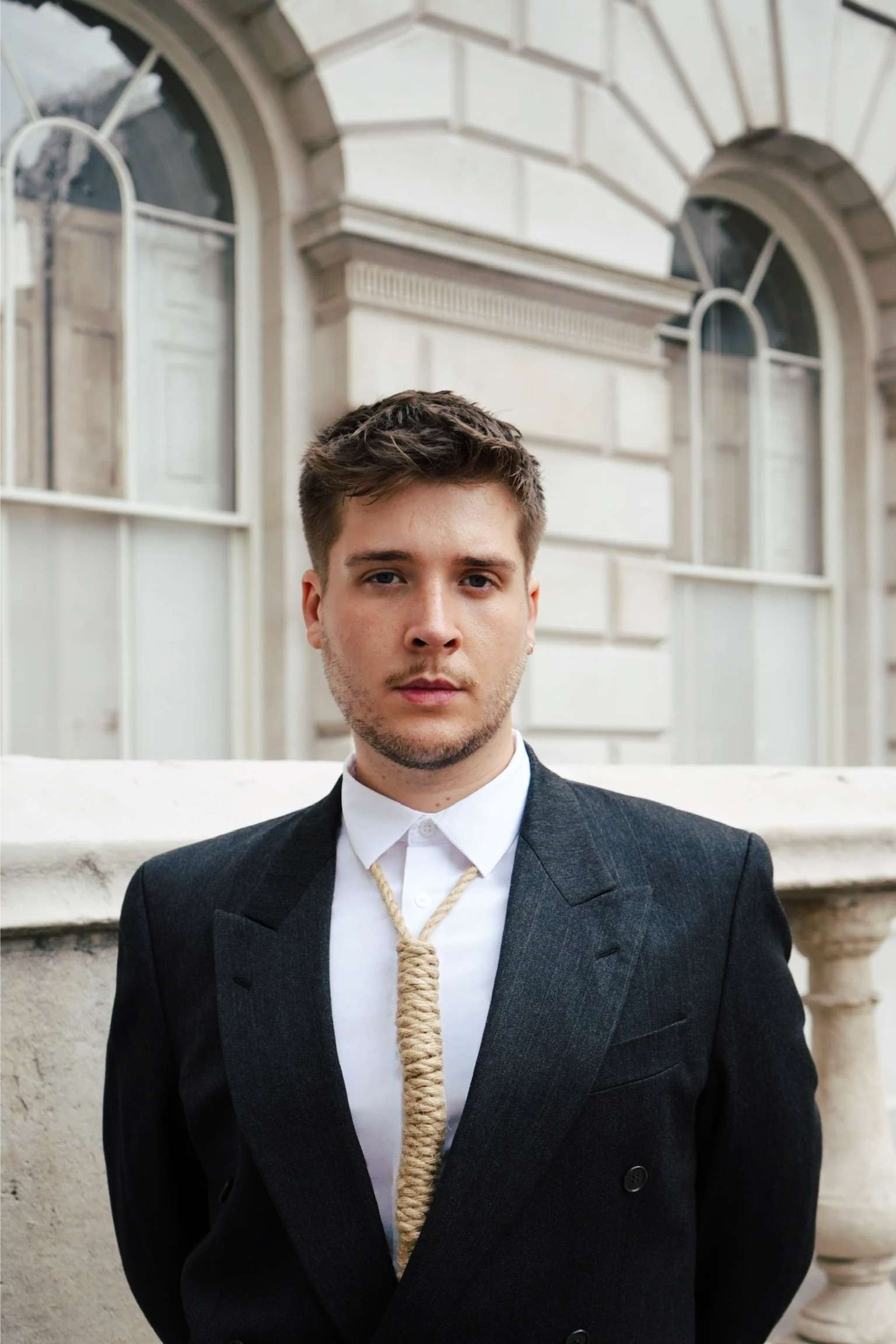
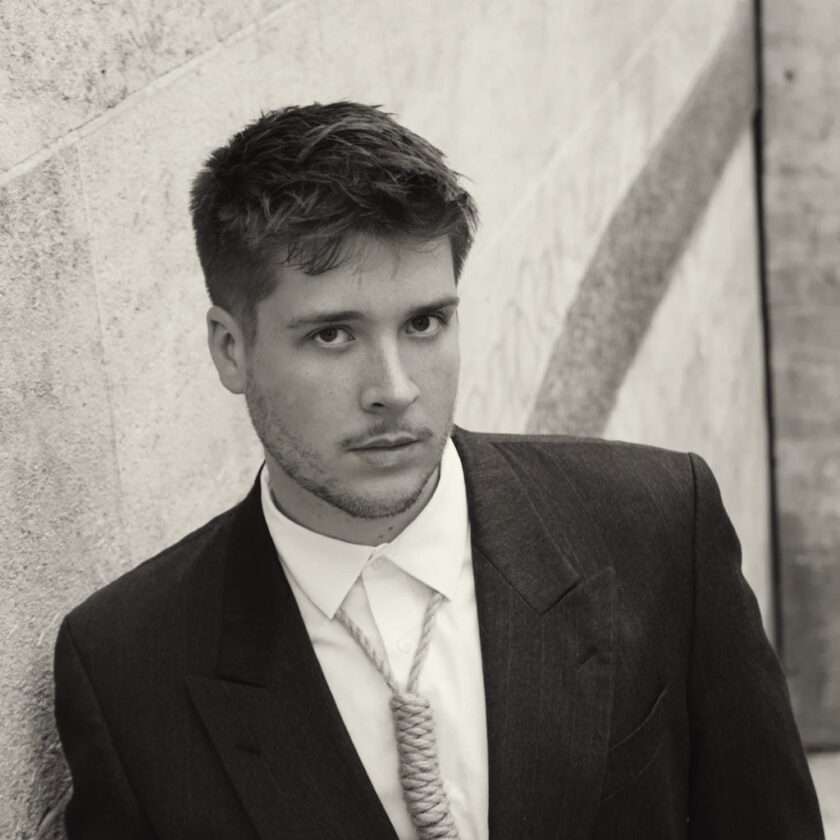
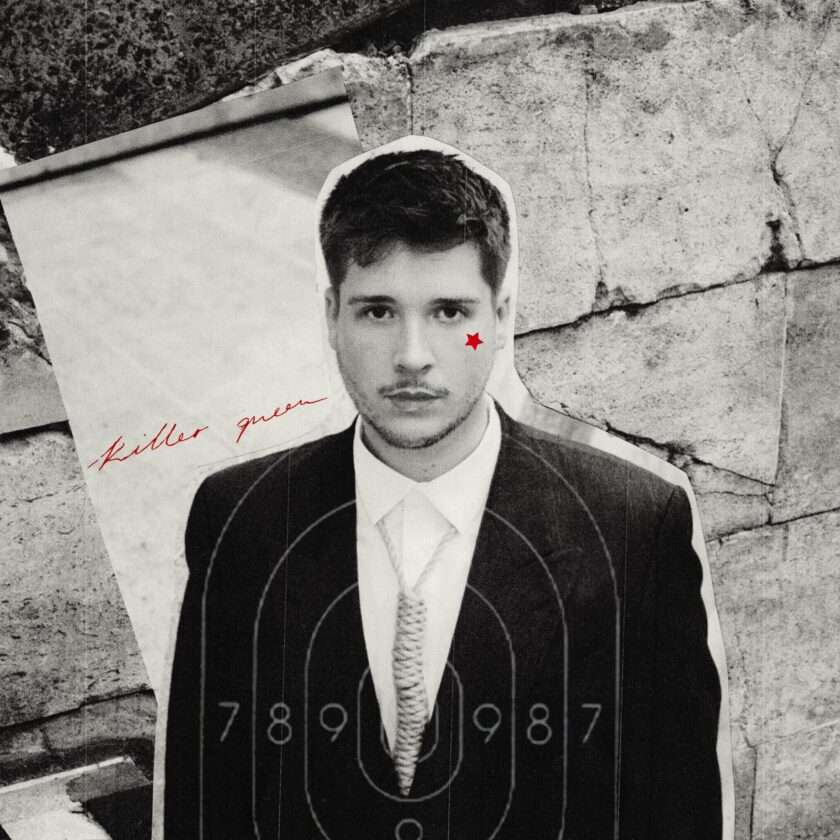
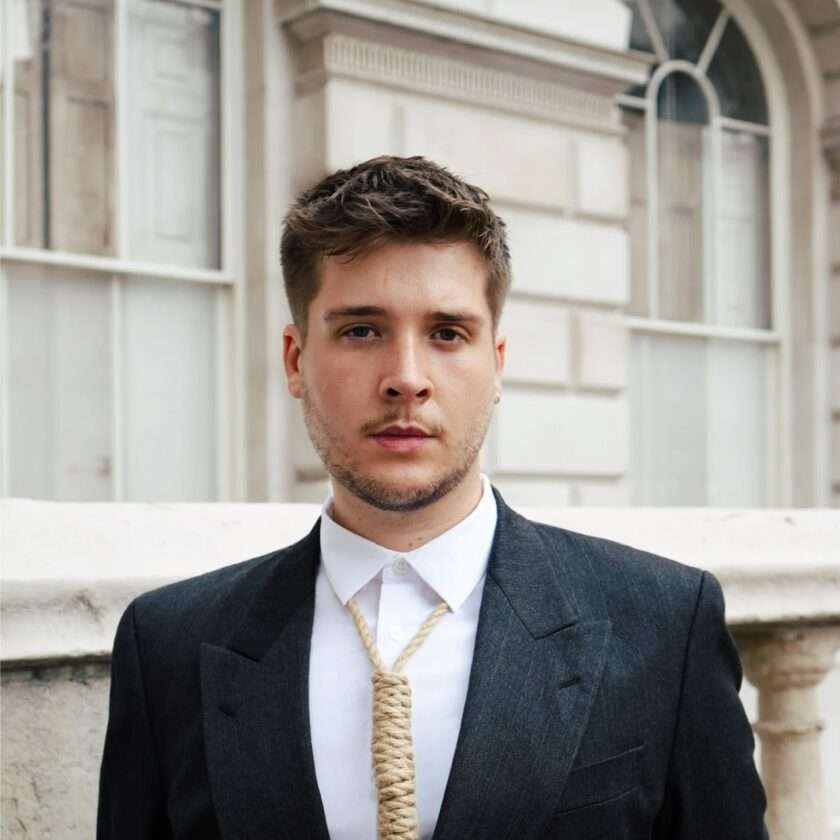
Bradley Jago is one of the most distinctive new voices in contemporary soul, known for his rich, emotive vocals and fearless honesty. Following a string of acclaimed releases and recognition from BBC Music Introducing and Future Hits Radio, Bradley returns with his striking new single Killer Queen. The song explores the thrill, danger, and surrender that come with falling in love, blending timeless soul textures with a modern pop touch.
In this interview with Spinex Music, Bradley Jago shares the inspiration behind Killer Queen, his perspective on “queer soul,” and how his journey as an independent artist continues to shape his creative path.
Stream Killer Queen on all major platforms and follow Bradley Jago on Spotify to stay connected with his latest releases.
Congratulations on releasing Killer Queen! It’s a strikingly soulful and well-crafted record. What does this release represent for you at this point in your career?
Thank you! It’s the start of the new season for me. It feels like a more refined sound, without losing its natural edges. I want people to hear it and realise I’ve done some living since my last EP!
The song captures both vulnerability and confidence, the duality of surrendering to love. How did you translate such emotional complexity into your songwriting and vocal delivery?
Looking at the chorus, which is the crux of the song, the first half is accusatory, and the second is me doubting myself. In all my songwriting, there’s always a bit of ‘what if’ and reflection because that’s who I am as a person. I try not to hold opinions on myself and my feelings too firmly in case it’s my mind playing tricks on me, haha. In terms of vocal delivery, I try not to think about it in the booth. I just sing what I feel in the moment. I do, however, try and think about how the instrument will represent the internal push and pull, and I think the strings do a lot of the heavy lifting in this song in terms of tension.
You’ve become known for your unique “queer soul” sound. How intentional was the decision to build your artistic identity around that concept, and how do you see it contributing to the wider soul and pop landscape?
I try and make music I would enjoy if I hadn’t made it, and I thought, ‘what would I really really want that I don’t already?’ And it was soul music that talked about intricate parts of the queer experience. Of course, I can only talk from a white cis queer man pov, but I think centring queerness in what can feel like a more ‘traditional’ genre was something I thought would be valuable. It’s funny, though, because the deeper I dig into my own experiences as a queer man, the more I listen to the songs, the more I realise that anyone could relate to them, because it’s the human experience to experience rejection and unrequited love at least some of the time.
How do you balance your personal life with your artistic career, especially during busy release periods or tours?
I’m a completely independent artist, so everything you see has had my grubby little mits all over it, haha! It is challenging at points, because it can feel like I’m being pulled from pillar to post, but if I’m going to the studio or to a gig I’m going to do something I love, so it’s never awful once I get there. I would love more quality time with the people I love, but I think that’ll have to wait until after the second album, haha.
As an artist drawing influence from both classic soul and contemporary pop, how do you ensure your sound remains authentic while still appealing to today’s global audience?
One of my main rules is that I don’t like to play with my main vocal too much, because for me, that’s where soul comes from. It’s the sincerity, rawness and danger to a soul vocal that ultimately makes or breaks a song for me. I’m starting to experiment more with different sounds on the backing vocals and instruments, but as a soul singer, I think the vocal is queen. In terms of pop music, I listen to a lot of pop day to day, so I think that naturally influences my songwriting and melodies. I don’t know if I’ll ever make a ‘pop’ record, though?
The storytelling in Killer Queen feels deeply personal. Do you view songwriting as a form of self-expression, therapy, or storytelling for others to connect with?
100%, songwriting is my outlet for things I struggle to say out loud. I’m much more comfortable singing about uncomfortable thoughts than I am talking about them. It’s become an essential part of my self-care, because it’s the only therapy I can afford. I’d still write music even if I never released another song again.
You’ve received support from major platforms like BBC Music Introducing and Future Hits Radio. How have these co-signs influenced your visibility and momentum within the UK music scene?
They’ve always been super supportive, which is so appreciated when you’re an independent artist. I think it’s helped other gatekeepers who are more apprehensive co-sign a queer soul artist, too.
Every artist faces challenges at some point. What have been some of the biggest lessons you’ve learned on your musical journey so far?
To write lots! I’ve made so many songs, and lots of bad songs, which at first can get you in a rut if you think you’ve lost your pen, but now if I write a shit one, it’s just onto the next! The biggest challenge is definitely money, though, and I think that’s something people are embarrassed to talk about. But I’m independent and from a working class family from Portsmouth, so I’ve really had to work for what I want. It takes me 10x longer to make a song with all these lovely instruments than it does for other artists in my genre, but I will not let the music suffer because I can’t afford it. It will just take longer.
Many of your songs, including Killer Queen, explore themes of love, vulnerability, and self-discovery through a queer lens. How important is representation and honesty to you as an artist?
The artists I love are incredibly vulnerable and honest. I just think, what is the point of getting people to listen to your music that you’ve worked on for so long, to not have something important to say? That isn’t to say I only like complex, sad and self-deprecating music, because that’s not the case. I just don’t love ‘safe’ music. It needs to push the needle in one way or the other. For me, I think I do this mostly through the honest and vulnerable stories I’m highlighting, for others it’s more the experimental sounds.
What first inspired you to start making music, and how has that inspiration evolved over the years?
I always wanted to be a singer from before I can even remember, but I thought I’d be a singer that had other people write for them, haha. Then I was too small of an artist for anyone to care about writing for me, so it kind of came out of necessity. But it’s a necessity for my sanity. Now I don’t look for inspiration, it’s more so that I write when I have something to write about, which is most of the time, haha.
Looking ahead to your upcoming EP, what kind of sonic and lyrical direction can listeners expect? Are there specific themes or stories you’re most excited to share?
Most of this EP is about first love as a queer man. Queer people often date later in life, which I think highlights a different set of challenges. For me, I think growing up queer has instilled a thought of not being good enough, which has led me to lots of doubts and self-sabotage. This is the story I start to tell with Killer Queen, and that follows through the whole EP.
In terms of sound, I think it’s more dramatic. I’m pushing myself vocally, and also holding myself more vocally because I don’t feel the pressure to show my full vocal range in every song, because there’s a body of work that already shows that. There’s one that is a little bit ‘trip hop’ inspired and, of course, ballads. Some tracks are more R&B. Yeah, it draws from further afield.
As someone who’s already making waves in the soul and pop scene, what do you consider the key to longevity and growth as an artist in today’s fast-paced industry?
I think the listener is more clever than ever before, and they can tell if you’re selling a lie or making music for the sake of it. I think you need an uncompromising authenticity to yourself as an artist, or people will tune into someone who’s actually doing that. It’s a much more accessible industry now, thanks to social media, but I don’t think that’s always a bad thing because it stops the fakes getting to the top.
Finally, what’s next for you after Killer Queen? Any collaborations, performances, or projects we should look forward to?
As I said earlier, it’s the start of the next season. I’ve got some more singles coming before the EP drop itself, which I think people are really going to love. There’s definitely a headline coming in 2026, and hopefully a little tour too. I’m going to carry on with Jago’s Jam, which is a space to highlight new talent with soul/jazz/R&B, and I just can’t wait to share what I’ve been working on for so long.
SPOTIFY | APPLE MUSIC | YOUTUBE
For music submission, click here