Music is often measured by sound, but the true weight of an artist is measured by story, time, and influence. In this conversation, we step into the world of Stephen Cumberbatch, widely known as C’batch, a native New Yorker whose life in music stretches across decades of creativity, collaboration, and quiet but meaningful impact.
From the early sounds of jazz in his home, to the unforgettable moment of seeing The Beatles on The Ed Sullivan Show, to writing and producing music that would later find its place in dance, R&B, and club culture, C’batch’s journey is built on passion rather than performance. He is a composer, songwriter, guitarist, and producer whose work reflects a lifetime of listening, learning, and evolving rather than chasing trends.
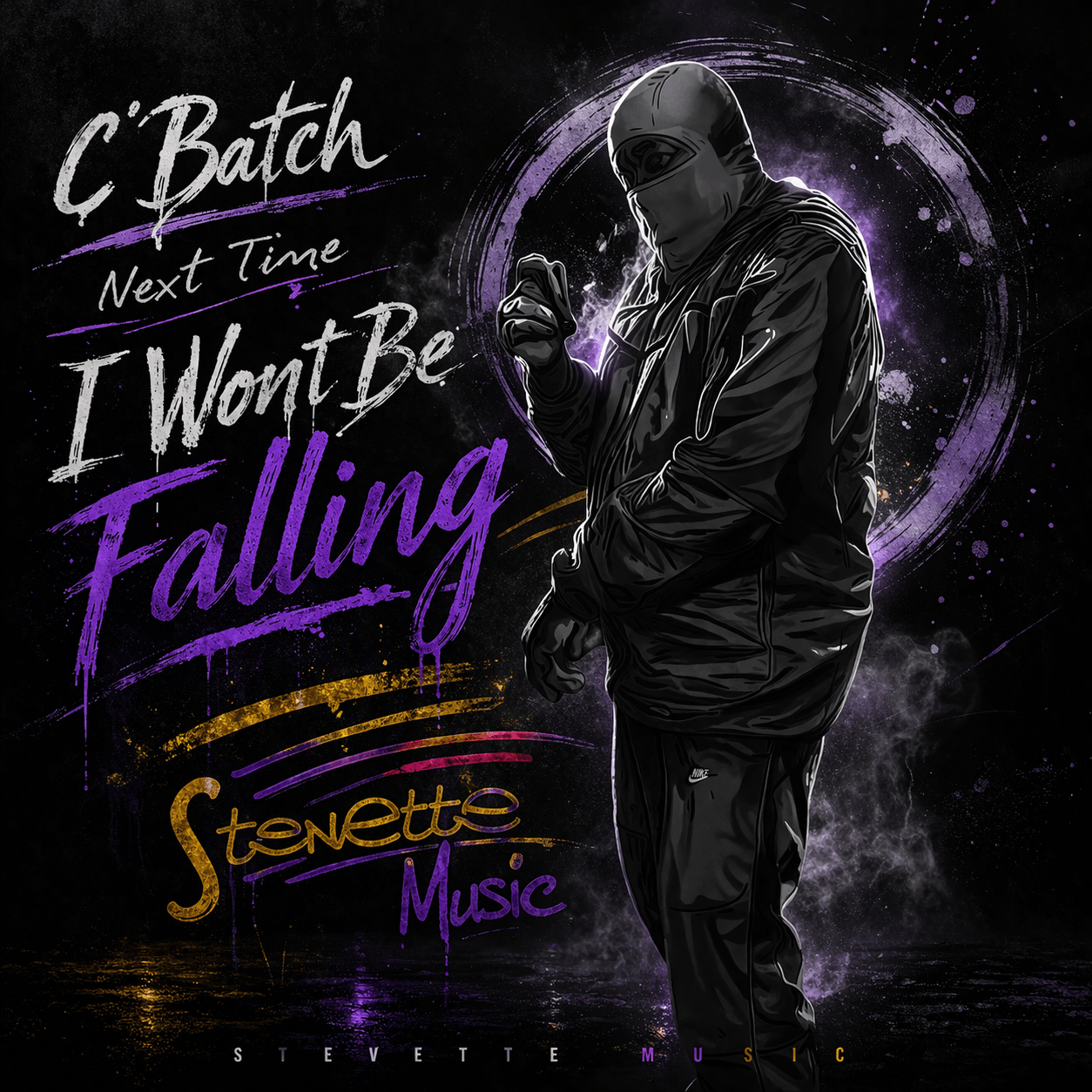
In this exclusive interview, we explore his latest EP, “Next Time (I Won’t Be Falling),” a deeply emotional and collaborative project that blends vulnerability, storytelling, and genre-crossing soundscapes. But beyond the music itself, this conversation reveals something deeper: a lifelong relationship with creativity, collaboration, and artistic truth.
What follows is not just an interview about songs. It is a reflection on legacy, inspiration, and the quiet power of staying true to one’s musical voice across generations.

To begin with, could you introduce yourself for readers discovering your work for the first time and share how your journey in music first began?
Hi, my name is Stephen Cumberbatch, also known as “Bubby” by my wife, “Papa,” “Popwop,” and “Poppies” by my grandchildren, and professionally by my artist name, C’batch.
I like to think of myself simply as a composer and songwriter who also happens to produce music and play guitar, along with a little keyboard. I’m a native New Yorker, originally from Long Island City in Queens, New York, though for many years now I’ve been based in White Plains in Westchester County, New York.
My musical journey began at a very early age because I was always surrounded by music. My mother sang, my father was a jazz drummer, and my paternal grandmother played piano.
One of the earliest and most influential moments that inspired me to pursue music was seeing The Beatles perform in the United States for the first time on The Ed Sullivan Show. That experience had a profound impact on me.
What inspired you to pursue a long-term career in music, and what continues to keep you motivated after so many years in the industry?
The artists and musical influences I’ve encountered throughout my life inspired my long-term desire to stay involved in music. However, I wouldn’t necessarily describe my path as a traditional music career because it was never my primary livelihood.
Music has instead been a lifelong passion and an important part of who I am. My journey has been one of continued participation, creativity, and growth. What keeps me motivated is the ongoing desire to create and express ideas through
Your new EP, “Next Time (I Won’t Be Falling),” explores themes of romantic relapse, vulnerability, and emotional contradiction. What inspired the story and emotions behind this project?
I wanted to write a song where the main character is conflicted, in denial, and trapped in a recurring emotional cycle—someone pulled between the attraction and desire of love and the need to pull away from a relationship that isn’t entirely harmonious.
The original hook of the song was: “Next Time I Won’t Be Falling, But You’ve Got Me Falling in Love Again.”
Next Time was truly a collaborative effort and an example of classic storytelling through song. It began with the music, harmony, and melody—elements I first heard in my head. The melody then shaped the hook and the first verse.
The remaining verses were completed in collaboration with my lifelong songwriting partner, James “Buddy” Herring, and my college freshman-year roommate Ronald Daise, known from Nickelodeon’s Gullah Gullah Island.
Songs such as “Next Time (I Won’t Be Falling)” and the companion project “Fluorescent Buzz (You Got Me Falling)” revisit similar emotional themes through different musical approaches. What inspired you to reinterpret these ideas in multiple ways?
Fluorescent Buzz represents my continuing desire to approach a musical composition from another perspective or alternate angle. In this case, Next Time (I Won’t Be Falling) became the gift that kept on giving creatively.
Sometimes a song reveals additional possibilities and emotional layers that deserve to be explored in different ways.
What has been the most important lesson you’ve learned from working with different artists and industry professionals over the years?
The most important lesson I’ve learned from working with different artists and professionals is understanding how to collaborate effectively. To me, collaboration is everything.
Being able to contribute ideas and embrace the ideas of others can elevate a composition and make the final product much stronger than what any one person might create alone.
Looking back at your extensive catalog and collaborations, is there a particular achievement or moment that stands out as especially meaningful to you?
One moment that will always be special to me was hearing “I Need You Now” by Sinnamon—a song I wrote and produced—published and played on the radio for the first time.
What makes it even more meaningful is its lasting legacy, having gone on to become one of the most sampled dance recordings in music history.
“Next Time (I Won’t Be Falling)” blends Smooth Jazz, Contemporary R&B, and Euro-Pop influences. What drew you to this combination of styles, and how did you approach bringing them together into a cohesive body of work?
When I compose, I never begin by thinking about writing within a specific genre. If I approached music that way, I probably wouldn’t write anything at all.
What happens instead is that all of the music I’ve absorbed and internalized over the years naturally emerges during the creative process. The various styles and genres that have influenced me simply rise to the surface and become part of the
As someone who has witnessed several generations of music trends, how do you stay creatively inspired while continuing to evolve your sound?
I stay true to myself and resist the temptation to simply follow trends or conform to expectations. I prefer to follow wherever the music takes me creatively at a given moment.
That freedom allows me to keep evolving while remaining authentic.
You’ve worked across multiple roles as a composer, producer, musician, and publisher. How have these different experiences shaped your identity as an artist today?
Every experience in life contributes to who we become, and music is no different.
The many roles I’ve taken on over the years have each been unique and have required different skills and perspectives. Working in multiple capacities becomes a valuable training ground that shapes both your musical identity and your growth as an individual.
Your music has left a lasting impact on dance, house, and club culture through works such as “I Need You Now” and “Let Me Do You.” What would you like your legacy to be as an artist, producer, and songwriter when future generations look back on your contributions to music?
Simply that I tried to create honest, meaningful music that people could enjoy and connect with.