
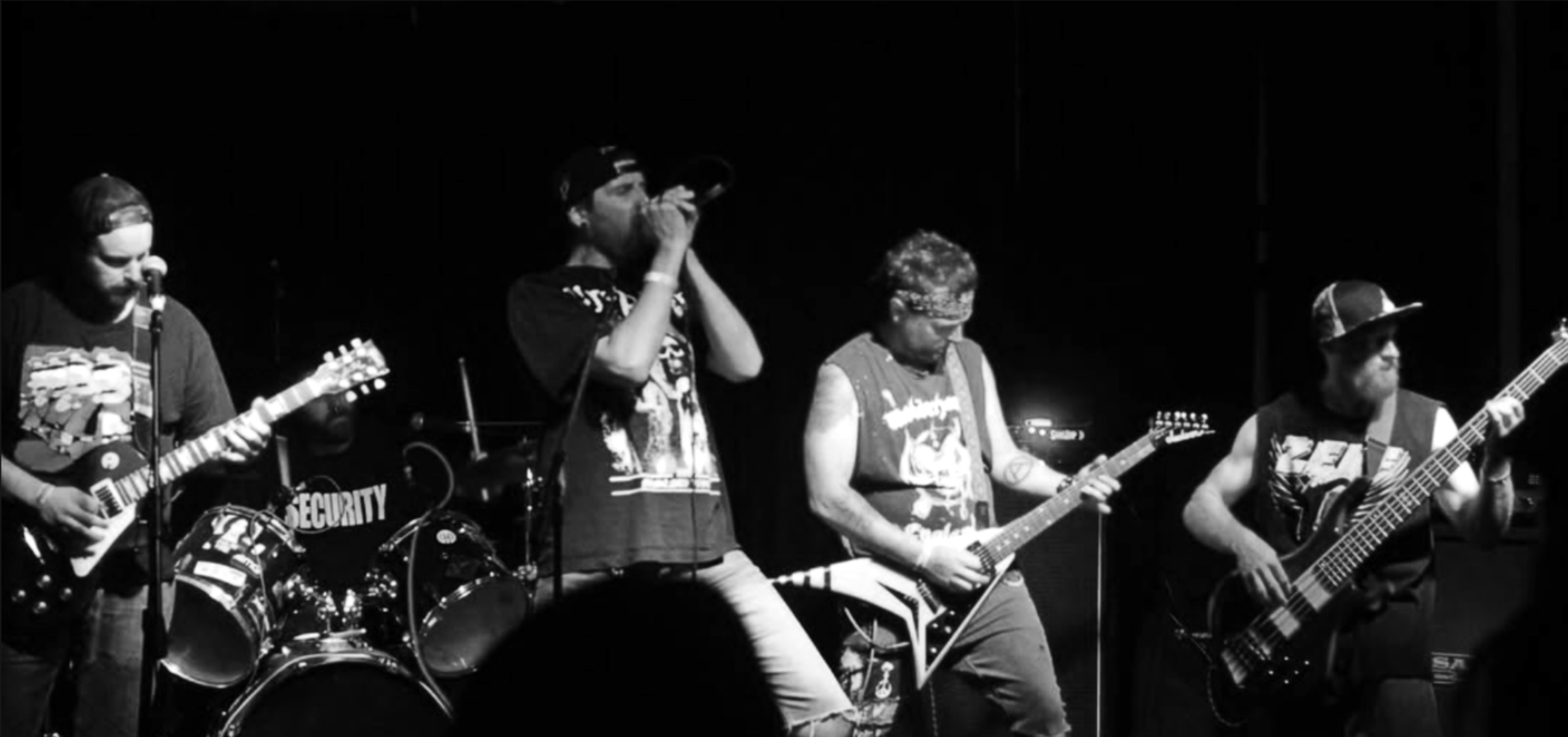
Santa Rosa, California, may not immediately come to mind when thinking of punk and hardcore music, but Speak for the Dead proves that intensity, grit, and authenticity can emerge from anywhere. Drawing from personal struggle, socio-political awareness, and decades of experience in bands like Thought Vomit, X Method, Resilience, and Hatchet, the group has crafted a sound that is as raw as it is deliberate.
Their self-titled debut album captures the tension of modern life, blending aggressive energy with moments of hope and defiance. The music reflects lived experience, from the challenges of growing up in a working-class environment to the awareness of societal injustice, creating an emotional resonance that is both immediate and unforgettable. Beyond the songs themselves, Speak for the Dead builds a space for misfits, outsiders, and anyone searching for connection, community, and catharsis through music.
In this interview, the band opens up about their roots, creative process, anti-authority philosophy, and the collective forces that shape their sound, offering a candid and unfiltered look at the world through their eyes.
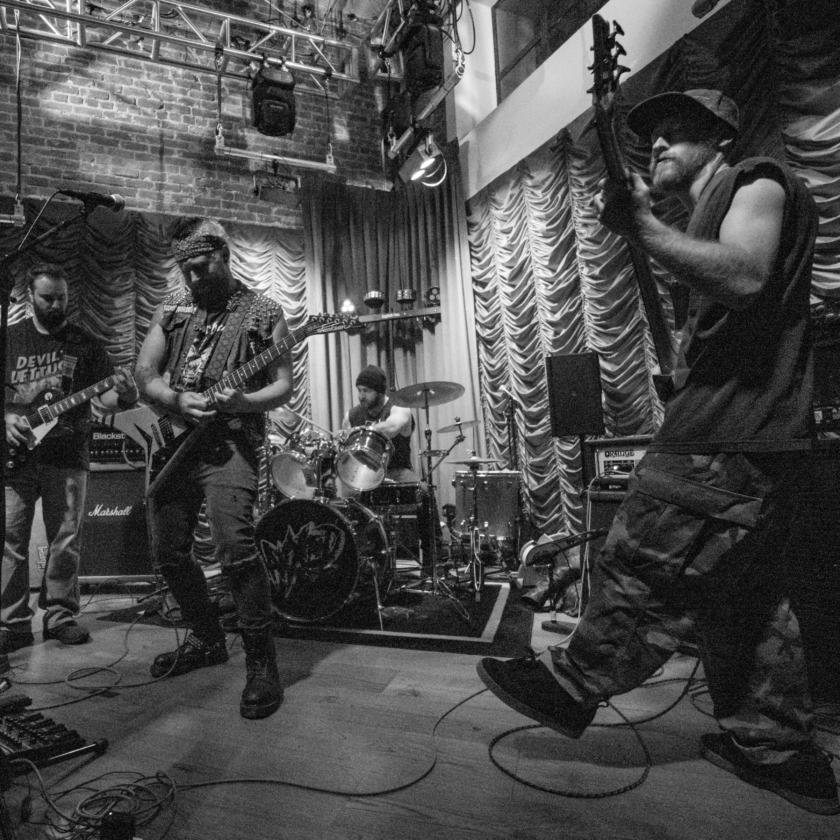
You describe yourselves as coming “from the gutters of Santa Rosa,” which immediately evokes grit, struggle, and authenticity. How has your environment shaped not only your sound but also your worldview, and in what ways does your hometown still echo through the themes and intensity of your music?
We all come from working-class families in a town that isn’t exactly cheap to live in, and the cost of living has only gotten worse as the years go by. A few of us have even found ourselves living out on the streets, relying on our friends to get by. Those experiences absolutely carry with us and inform how we look at the world. Being homeless in one of the richest areas in the world offers a unique perspective on just how messed up this capitalist system is, where billionaires walk the same streets as people who can’t afford to eat or keep a roof over their heads.
Your sound channels the raw aggression of Discharge and Tragedy, the rock and roll propulsion of Motörhead and Zeke, and the crossover punch of thrash and hardcore. When you sit down to write, are you consciously blending these traditions, or does the fusion happen instinctively through your shared history and influences? How do you avoid becoming a tribute to the past rather than a step forward?
We don’t think too hard about genre-bending when we write. We like what we like, and we let that show in our music. Our only real rule in songwriting is that we don’t have any rules.
The self-titled debut balances ominous dread with a strangely uplifting fight-back energy. Was that emotional duality intentional? Do you see your music as a warning siren, a rallying cry, or something more complicated than either?
To us, music is a pure expression of our emotions and lived experiences. Some days are hopeful, and you feel like you can take on the world; other days feel like a lost cause. It’s safe to say our collective mood on any given day determines what feeling shows through in our music. Our songs are all of the above: a call to action to stand up, unite, and rise above the bullshit, a cautionary tale to anyone who thinks they can just ignore the problems in this world, and a beacon of hope that things can maybe get better someday and we can win this fight.
You tackle socio-political themes alongside existential ones. In your view, how intertwined are those two realms? Is the personal anxiety of modern life inseparable from the political climate, and does your songwriting attempt to expose that connection?
Politics and everyday life are inextricable; policy and political rhetoric directly impact everyone’s lives, whether we realize it or not. As we said earlier, our songs are a reflection of our emotions and experiences, so it’s only natural that our political concerns overlap with the existential ones.
The phrase “unapologetically anti-authority” has deep roots in punk, but it can mean different things in different eras. In today’s cultural and political landscape, what does anti-authority mean to Speak for the Dead beyond slogans? How do you ensure it remains a conviction rather than an aesthetic?
To us, anti-authority means all systems of hierarchy and power only work to serve the people in charge of them. Every luxury our society enjoys comes at the cost of the truest forms of freedom.
By 6 years old, you’re legally forced to participate in a public school system that teaches conformity, meekness, and obeying authority figures without question.
By 18, you’re expected to leave your family, work for some faceless corporation that treats you like a number until you’re too old to enjoy the world around you, and give your hard-earned money to some stranger, or more often, some other faceless corporation.
The worst part is that you couldn’t give up if you wanted to. Quit the job, lose the apartment, and live on the streets, and now you’re breaking the law by simply existing in public with nothing to do. Standing in front of a business? You’re either shoved off or sent to jail. Sleeping in a public park at night? Jail. Fishing or hunting without a permit? Jail.
You don’t even truly own your house; if you can’t afford to pay property taxes or keep the lights and water on, the government can take it. America calls itself the land of the free, but what is that freedom?
All we can do as a band is present these ideas to anyone willing to listen and hopefully inspire people to take another look at the world we live in, stop accepting the idea that “it’s just the way things are,” and start fighting for a world where we can all have true freedom.
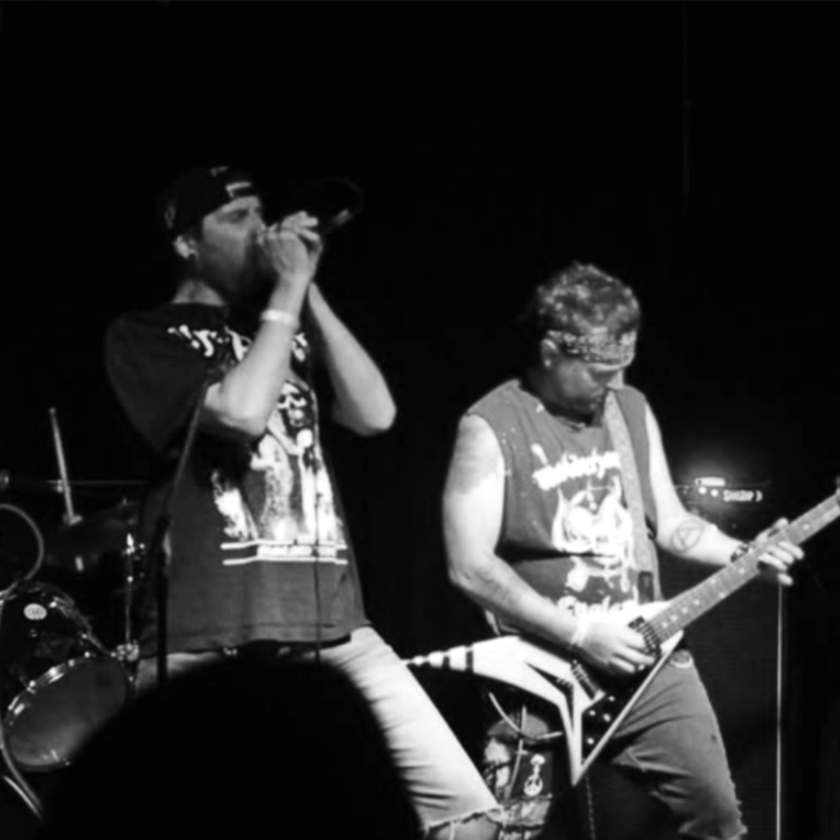
With members coming from Thought Vomit, X Method, Resilience, and Hatchet, you all bring seasoned experience. How has maturity influenced this band’s approach compared to your earlier projects? Does having history behind you make the aggression sharper or more controlled?
Music is called the universal language, and in a lot of ways, learning to play the guitar or sing is the same as learning a new language. As you grow, as you practice, you’ll inevitably get better at it. You find new and better ways to articulate your thoughts and emotions. With that in mind, our experience at writing and performing makes the aggression both sharper AND more controlled. Our musical vocabulary has grown exponentially over the years, and as a result, it only become easier to pinpoint the exact thought or feeling we want to express.
There is an intensity in your sound that feels almost physical, like a gut punch. What do you want audiences to experience in a live setting beyond adrenaline? Is there a deeper emotional or communal catharsis you aim to create?
We want the kids in the scene today to enjoy the same feelings we all had growing up watching the bands we loved. There’s definitely a desire to create a feeling of excitement, adrenaline, and catharsis, but also the feeling of knowing you belong to something no matter who you are. Punk has always been a place for the misfits of the world to escape societal judgment, and if you’re one of those misfits, then hopefully our shows feel like home to you. It doesn’t matter what race you are, where you were born, who you love, or how you identify; if you’re a punk, you’re a punk.
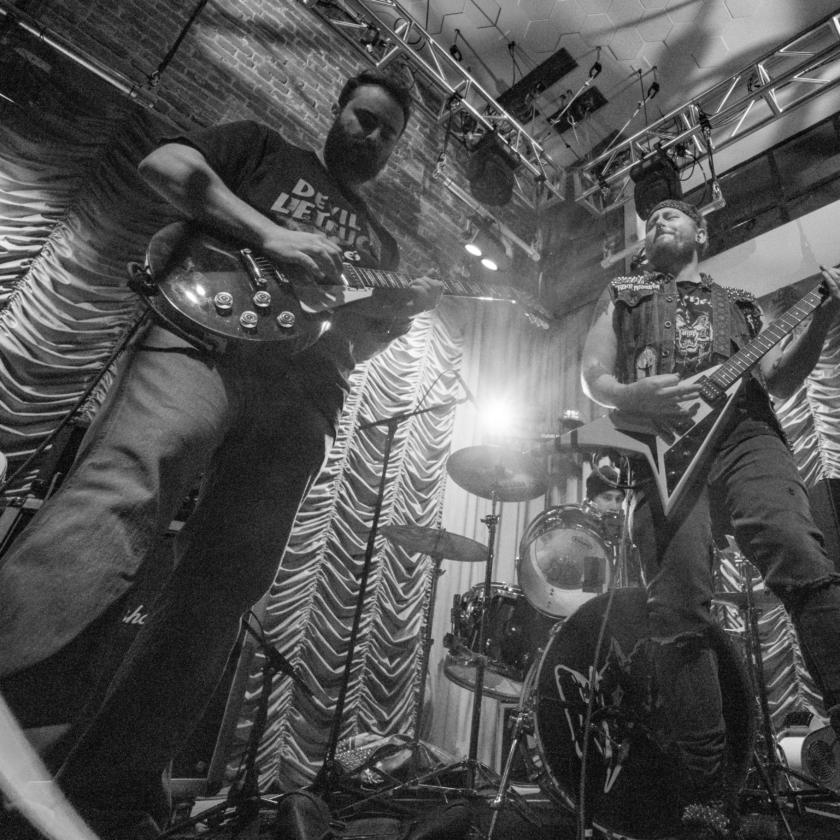
Your music feels volatile and immediate, yet carefully constructed. How do you balance chaos and discipline in your creative process? Is there a structured songwriting method, or does everything begin in raw improvisation?
It’s just a mixed bag. When one of us is feeling inspired, they might come up with an entire song in a day; it starts from one riff that somebody has, and we jam on it, and over time, it builds into something. It’s a very collaborative atmosphere; the discipline comes from making sure you always write down or record your ideas as soon as you have them, or you’ll forget a hundred songs for every one you write.
What is the biggest internal challenge this band has faced so far, and how did confronting it shape your identity moving forward?
Communication. We all have big ideas, and we’re all very passionate about them. That used to lead to a lot of heated arguments. It’s no fun when you and your best friends are all pissed off at each other over something that’s supposed to bring you together. This last year, we’ve gotten a lot better about how we communicate and share our thoughts and feelings, and it’s improved nearly every aspect of this band.
Connect with Speak for the Dead
Website
Facebook
Spotify
Instagram
YouTube