
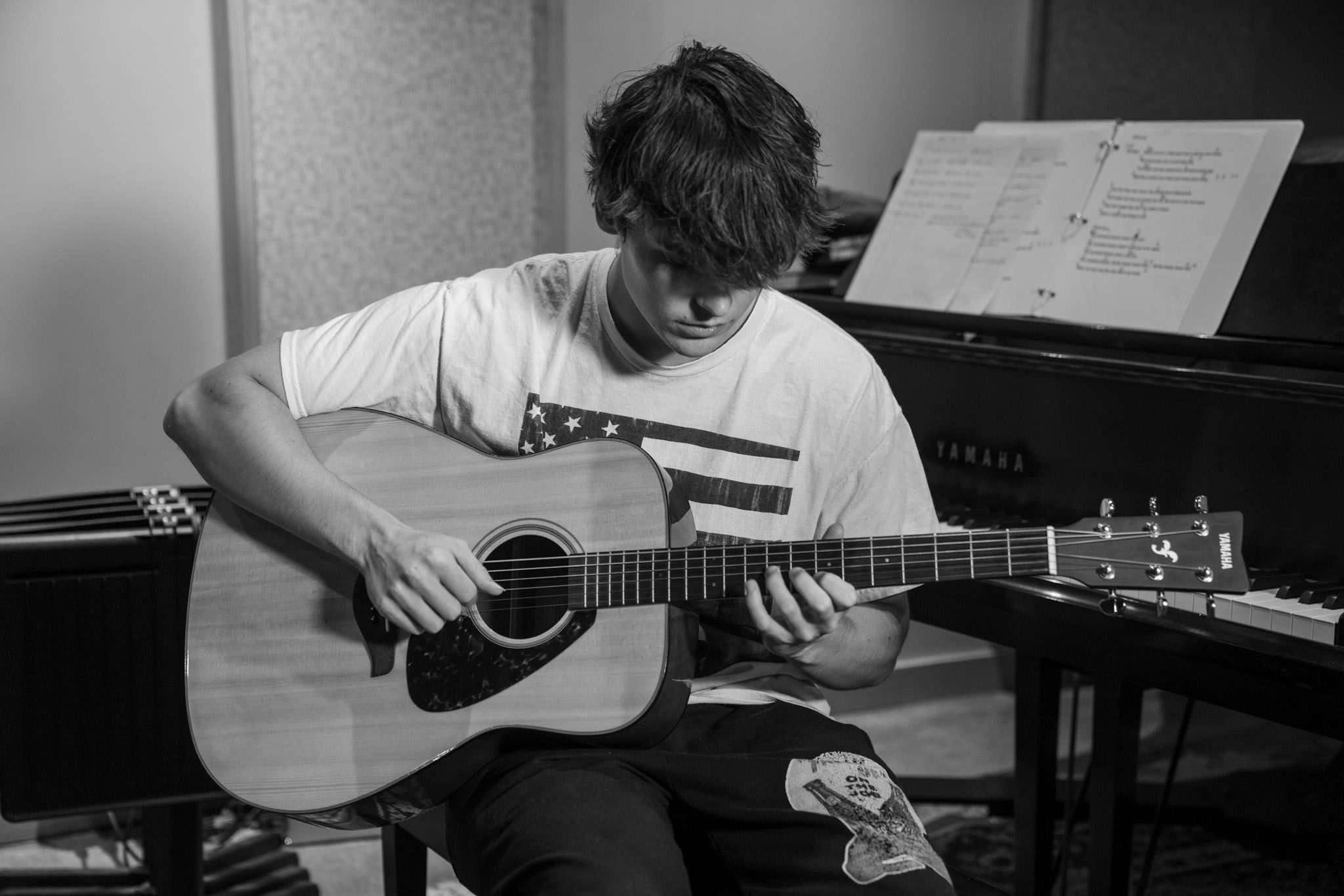
There is a quiet confidence in the way Will Foulke is evolving as an artist, one that comes from years of dedication, experimentation, and a deep connection to the roots of his sound. With his third studio album Let’s Try Again, he reaches a new level of clarity, blending rock, pop, and blues into something that feels both classic and current. It is a project shaped by growth, not just musically but personally, reflecting moments of heartbreak, resilience, and the ongoing process of moving forward.
In this interview, Foulke opens up about how his songwriting has become more fluid and instinctive over time, allowing him to make bolder, quicker creative decisions. He reflects on his early influences, from discovering guitar through blues legends to drawing inspiration from timeless songwriters, and on how those foundations continue to inform his work today. There is also a noticeable shift in his process, as collaboration with other musicians brings a new dynamic to his music, giving him space to focus more deeply on composition and production.
As the conversation unfolds, what stands out is his commitment to authenticity. Even as his audience grows and his music gains wider recognition, Foulke remains grounded in the simple goal of creating honest, meaningful songs. This interview offers a closer look at an artist who is steadily refining his voice while staying open to new directions, making Let’s Try Again not just a title, but a reflection of his journey forward.
Let’s Try Again is your third studio album. How do you feel you have grown as an artist and songwriter compared to your earlier releases?
I feel my writing process has become more fluid as an artist and my decisions in the making of this album were quicker than on the other albums.
‘Let’s Try Again’ blends rock, pop, and blues. How do you approach combining these styles while still keeping a cohesive sound across the project?
I like to write in multiple different genres but I believe I have a certain sound that bridges all of them like the vocal melodies and production techniques I use.
You started making music at a very young age. What first drew you to the guitar, and how did those early influences shape the artist you are today?
I was drawn to guitar when I learned about Chuck Berry and other blues musicians. The impact they had on me was a strong love of blues music and making passionate-driven music.
Your debut album Charleston Blues had you playing every instrument yourself. How did collaborating with other musicians on this project change the creative process?
Collaborating with other musicians was very fun and inspiring to be able to work with such talented players. It gave me more freedom to think about the songwriting and production.
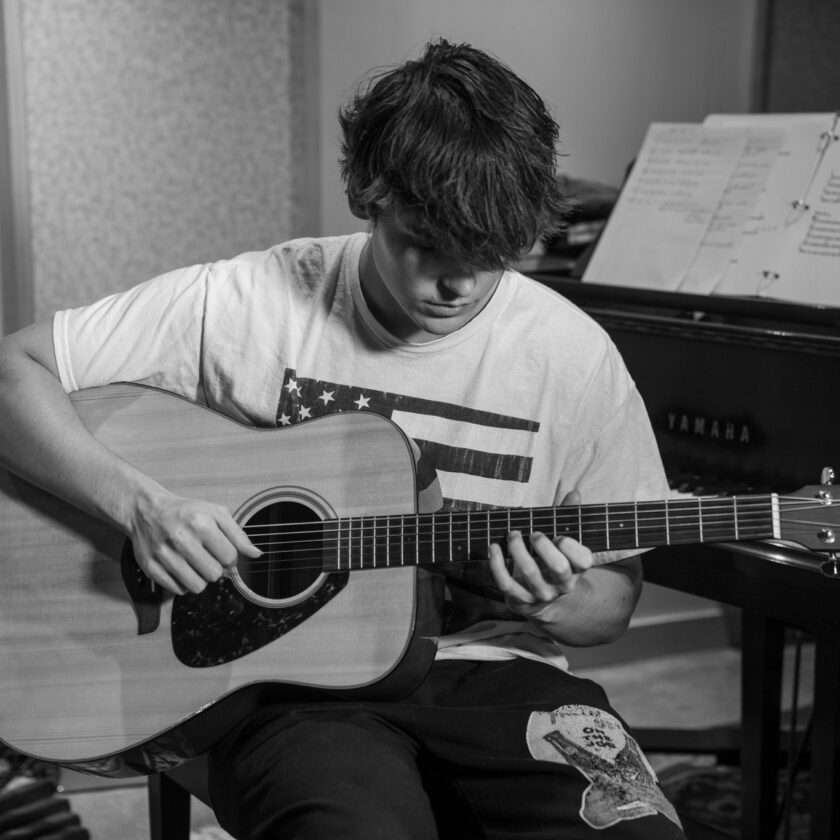
‘Let’s Try Again’ explores themes like heartbreak, growth, and moving on. Were there specific personal experiences that shaped the direction of these songs?
The album encompasses multiple painful experiences in my life such as heartbreak that I think are very relatable to the listener.
Your music carries both classic influences and a modern feel. How do artists like Paul McCartney or Stevie Wonder continue to influence your songwriting today?
Paul McCartney is an incredible songwriter who also has written in many different genres. It is inspiring for me to see musicians that are very successful who are also authentic
What does your typical songwriting process look like, from the first idea to the final production?
I usually come up with chords on the guitar first. Then I write lyrics and start layering instruments. After the demo is completed, I’ll bring sessions players in to record the final instrument takes.
With over 180,000 streams and growing recognition, how do you stay grounded while continuing to push your music forward?
I stay grounded by focusing on what’s important, like making good music and being true to myself.
Is there a particular track on Let’s Try Again that feels most personal or meaningful to you, and why?
You Got To Move feels personal to me because the lyrics are very reflective with a melancholy chord accompaniment.
Looking ahead, what direction do you see your sound evolving in, and what can listeners expect from your next chapter?
I expect to keep making quality music and maybe explore some new influences so my listeners can be excited for the next project.
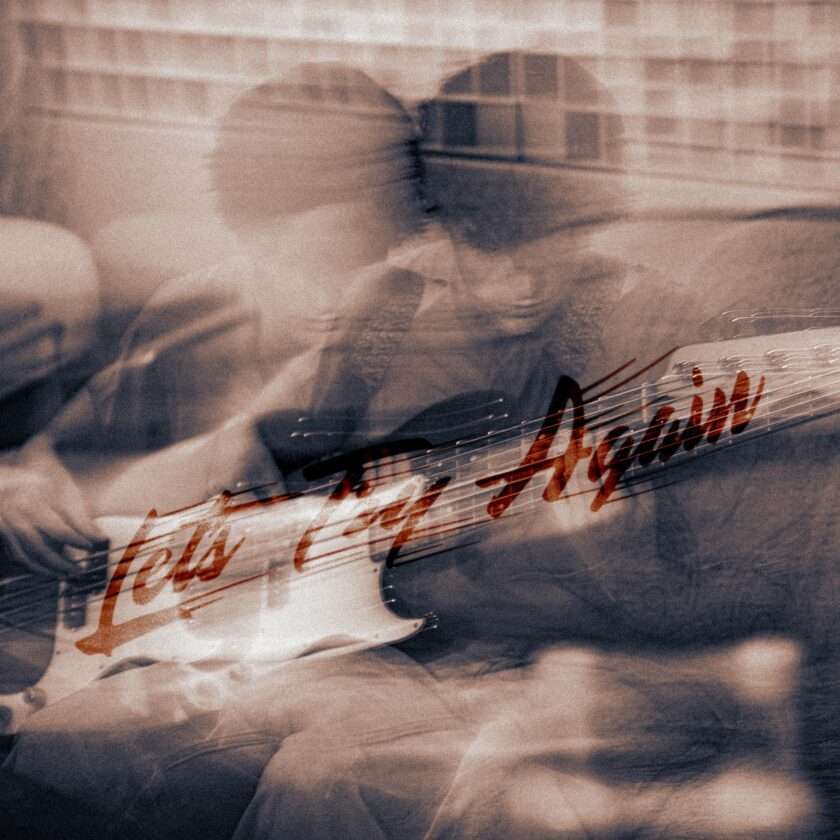
Connect with Will Foulke: Instagram, YouTube, Spotify, Website