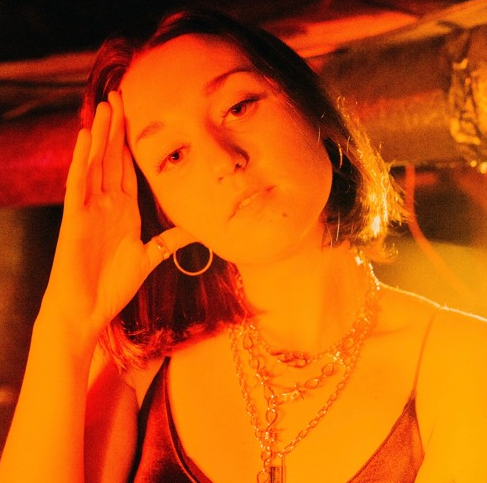

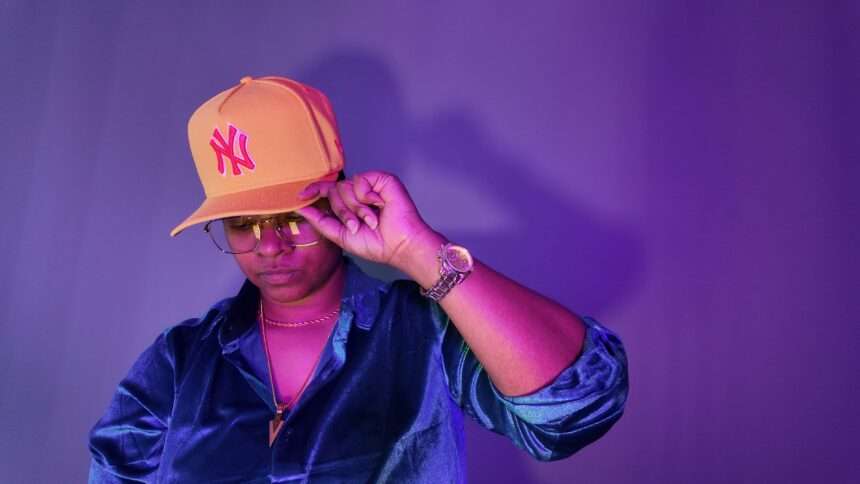
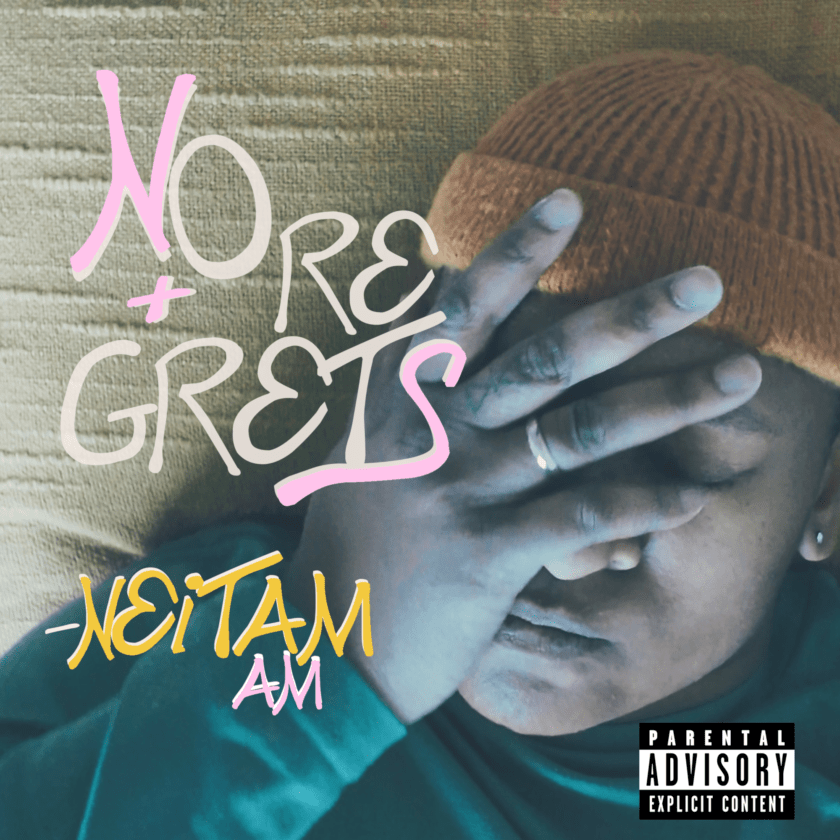
Rising R&B artist Neitam Am is stepping into a new chapter with the release of her debut single, No Regrets, a bold and emotionally layered record that introduces listeners to her world with honesty and intention. Hailing from the Southeastern United States, Neitam blends lofi-infused production with powerful, church-rooted vocals to create a sound that feels both intimate and striking. At the heart of her artistry is healing—not just heartbreak, not just empowerment, but accountability, growth, and spiritual integration.
In this conversation, Neitam opens up about embracing vulnerability, challenging expectations, balancing faith and self-expression, and carving out her own lane in modern R&B. With more music on the way and a debut album in progress, she reflects on her journey, her roots, and the impact she hopes to make through music that is fearless, transparent, and deeply human.
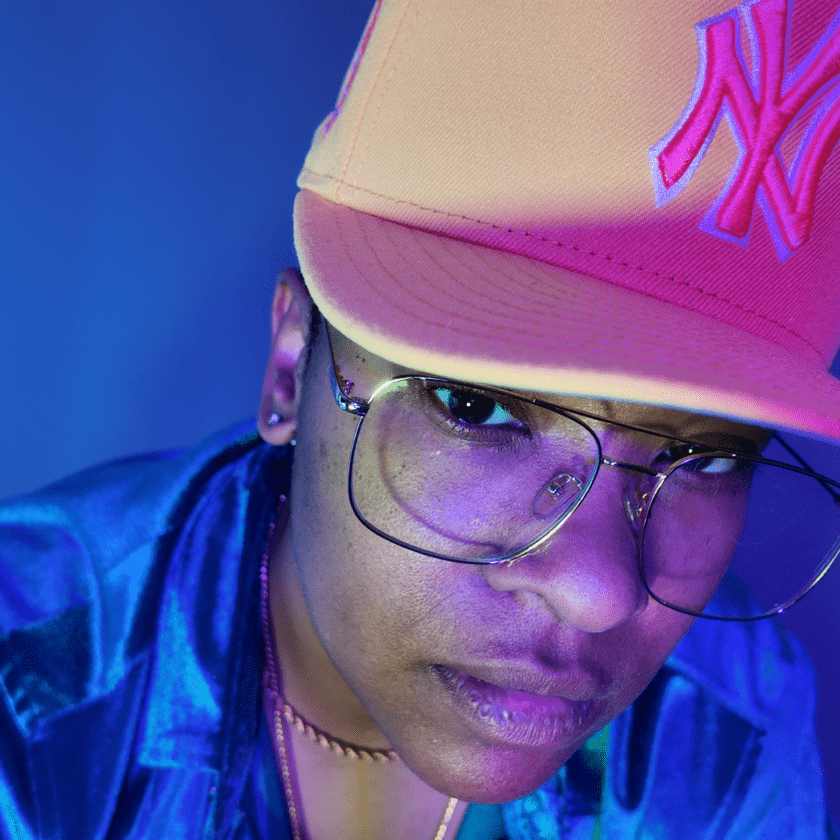
Congratulations on the release of No Regrets. As your debut single, what does this moment mean to you emotionally, and how does this song introduce the world to Neitam Am as both an artist and a person?
Thank you so much! I’m so excited about the journey ahead and just enjoying every part no matter the difficulty. Emotionally, I’m feeling empowered and focused. This is a big step for me, given my background of timidity. This debut is a representation of how much I have grown over the years. I would like to address the elephant in the room about the particular use of explicit language in this piece. That was actually intentional. I wanted to come out as bold as I could while also maintaining my ability to self-express. Self-expression for me is very important for me from a perspective of not allowing norms to dictate what I write about or the direction of my music production. As a person, this release is a bit “out of character” many would say, but this is a challenge for me to be able to self-express musically without allowing it to alter my character.
You’ve described “No Regrets” as experimental R&B built on a lofi-R&B production. What inspired you to take a more atmospheric and textured sonic approach for your first release rather than a traditional mainstream R&B sound?
By nature, I am someone who goes against the grain, but that was not my main motivation for choosing this type of production. When I created it, the vibe just called out to me, so I began writing to it in the way in reflected from a soul perspective. I, like many artists, enjoy music from many genres (chillstep and lo-fi genres included), and I feel like this production was warranted in that aspect. I felt that this was a way to set me apart even just a little and creates an avenue for me to explore these types of productions further.
No Regrets tells the story of an ex-lover recognizing their mistakes and seeking reconciliation. What drew you to explore accountability and healing instead of focusing solely on heartbreak or empowerment?
The decision to focus on healing and reconciliation was intentional. It is something I desire as an individual, to heal and be healed. It almost felt like a betrayal to introduce myself as an artist in any other way. I’m not saying that I won’t write music that caters to heartbreak and empowerment because nothing is off limits, but I want to hear more music about healing that sounds good and that begs to be listened to. I believe a song trend of healing can be popular, and I’m starting to hear it more and more in modern R&B.
Your upbringing as a “church girl” plays a strong role in your identity. How has growing up with faith shaped your vocal delivery, songwriting discipline, and overall artistic values?
I grew up singing in church, from church choirs to smaller gospel groups to solos. There are a variety of ways to sing at church. There is the power vocalist, the soft/worship singer, the adlibber… In this song, I focused on the power vocalist and added a little “Baptist pastor” edge to it. I’m really excited to play around with vocal delivery, honestly. Growing up, I mostly sang soft tenor/alto, so taking a step toward a “soft power vocal” approach is new for me. When I first started writing music, I did a whole Christian album, which I still have public on my YouTube channel. In the beginning, I did not want to stray from my religious roots when writing music, but as I got older and experienced more of life, I saw that God does not look unfavorably on me for expressing myself honestly and authentically. Believing that the higher power I trust in entrusts me to share my gifts unapologetically empowers me to believe in myself and stay true to my artistic values.
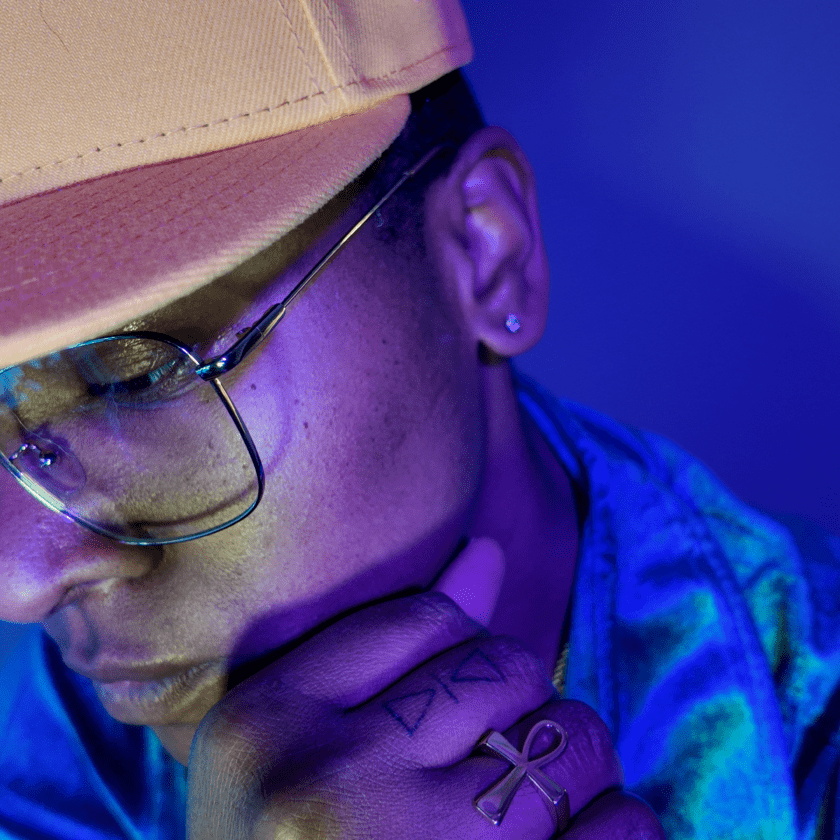
You speak about integrating both your spiritual roots and your experiences in love. How do you balance those two worlds creatively without feeling like you have to choose one over the other?
Honestly, I have come to believe there is no separation. It is common to think that you have to choose God or choose the world. I choose God in the world. I believe my whole spiritual journey has been shaped through and by my experiences with life and love. I think that is where my desire to put messages of healing in my music. Healing relationships, healing self-perception, and healing perceptions of being bound by societal expectations.
Being from the Southeastern United States, how has Southern culture influenced your sound, storytelling style, and perspective as an R&B artist?
I grew up in a rural area of the south. Across the street from cows and next door to farmland and chicken coops. The reality of the modern R&B lifestyle is very different from where and how I grew up. To add to the rift, I grew up in a Seventh-day Adventist Christian environment. In relation to my sound, a big word that comes to mind is “space.” I use space in my song, from the atmospheric production to the lack of background vocals, etc. in the performance. I feel like taking advantage of space allows for the lyrics to land with impact and allows the listener space to process the song. I love that in this song, there is no repetition as far as a hook and the pattern of a song. That is something I have always wanted to do in a production. I did use repetition in the vocal performance as an ode to “Baptist pastor” stylistic elements (if you know, you know). Southern culture has taught me that it is okay to be unique and that if it takes time to catch on, we have nothing but time.
Transparency is central to No Regrets. Was it difficult to be that open in your debut, and what did the creative process teach you about vulnerability?
It was a bit difficult to be that open. I was very unsure how the song would land, especially with the explicit language, but my curiosity and risky nature overshadowed that apprehension. I felt, though, that transparency was necessary to get the point across and have maximum impact. There was an occasion several years ago where I had the opportunity to hear a Ted Talk by Brene Brown on the power of vulnerability. Ever since then, I made it my goal to embrace it. One of my tattoos has vulnerability as a central part of its meaning. I believe there is strength in vulnerability, and the creative process allows me to be vulnerable with every single lyric written.
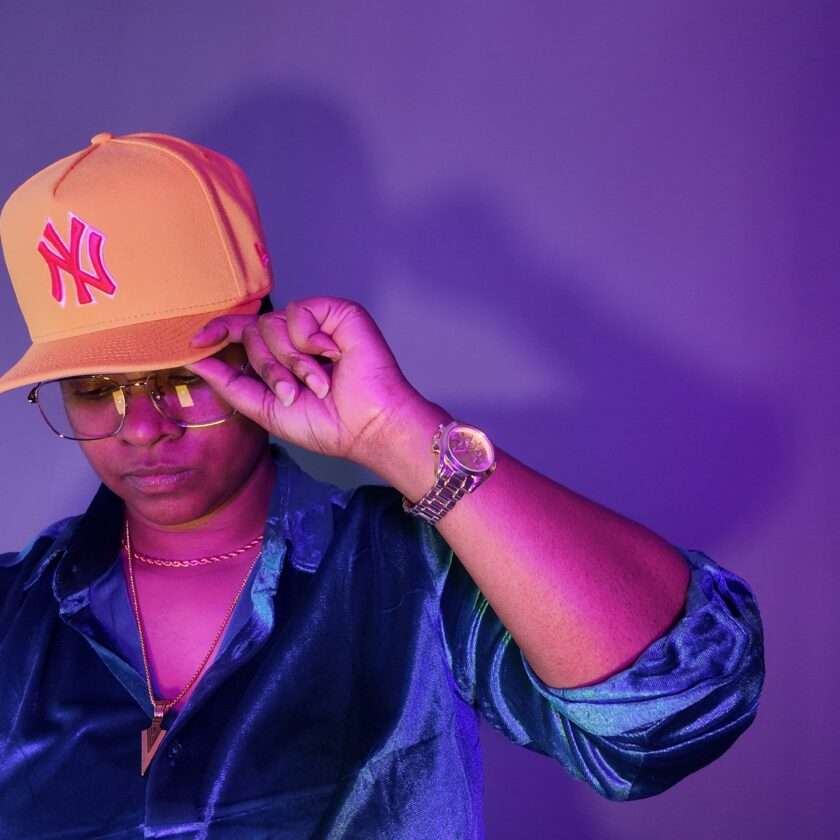
As you prepare to release more music leading up to your first album, what themes or emotional journeys can listeners expect you to explore next?
I have a really cool song I have not released yet that deals with self-sovereignty. I want to take “high spiritual” concepts and make them mainstream. That is a major goal of mine, and I am up for the challenge. Other themes that can be expected are empowerment/standing up for yourself, admiring deep beauty in a partner, healing, accountability, seeing through facades, counterfeit love, and subjects that I will definitely surprise myself with as I grow and learn.
In an industry that often pushes trends, how do you plan to stay authentic to your healing-centered message while still growing commercially?
That is really a challenge that I have not figured out a solution to. My plan really is to rely on solid craft, planning, and intuition. I do believe a big part of it is really refusing to compromise on certain things. Once compromise starts, it is very hard to stop.
Looking ahead, what kind of impact do you hope your music has on listeners, particularly those navigating love, faith, and self-discovery in their own lives?
I want people to listen to my music and know that it is okay to be themselves. I want them to see that everyone’s journey is different, but each one is valid. I want to inspire people to see that they can be the change, not following the normal tropes of love and faith and that they can seek their own way.
Connect With Neitam Am