

Rooted in vivid travel experiences and shaped by a deep sense of reflection, “Broken Horned Kudu” unfolds as far more than a song. For Heather Ferguson, it becomes a powerful piece of storytelling that explores survival, moral tension, and quiet resilience. Drawing from her journeys across East and Southern Africa, Ferguson builds the track from moments that stayed with her long after they passed. From her visit to the Sheldrick Wildlife Trust in Nairobi to the vast stillness of the Kalahari and the movement of the Zambezi River, these experiences form the emotional and visual backbone of the song.
What begins as a question about the realities behind poaching gradually deepens into something more universal. Rather than offering clear answers, Ferguson leans into the complexity of human choices and the fragile balance between necessity and consequence. The image of the broken horned kudu becomes a striking metaphor within that space, representing both vulnerability and endurance, and ultimately pointing toward a message of hope that transcends geography.
The song’s depth is further enriched through a cross cultural collaboration that brings together Canadian and South African musicians. Blending Cape Jazz influences with world jazz textures, and incorporating both English and Xhosa vocals, Ferguson creates a sound that feels immersive yet intentionally restrained. The simplicity of the arrangement allows the story to breathe, giving weight to every lyric while quietly carrying a sense of redemption beneath it all.
In this interview, Heather Ferguson reflects on the experiences that shaped “Broken Horned Kudu,” the creative process of working across continents, and the meaning behind its powerful imagery. She speaks candidly about the themes that continue to define her work, including loss, resilience, and the search for hope, offering a deeper look into an artist who is increasingly guided by honesty, intuition, and a desire to tell stories that truly connect.

“Broken Horned Kudu” draws from your travels across East and Southern Africa. Can you share the specific moments or experiences that inspired the story behind the song?
I started thinking about the song when we visited the Sheldrick Wildlife Trust in Nairobi and the handlers talked to us about “elephant/human violence” which I knew was often about poaching. I started to wonder who those poachers were and what made them poach in the first place. From there it was flashes – visual pictures that stayed with me and, literally, coloured the song. A man sitting on the edge of a sidewalk against an ochre and red coloured building. The far side of the Chobe River, lush with greenery and fields. The Zambezi River, that miAnghty waterway flowing to Victoria Falls. The newly dead kudu lying on the sand in the Kalahari.
The image of the broken horned kudu is a powerful metaphor. What does it personally represent to you, and how did it shape the emotional direction of the track?
I feel though this song is set in Africa, its message is universal. We all find resources within us, even though the choices are somehow impossible at the time. Africa, and particularly during our safari in the Kalahari Desert, pared everything back and showed me the precariousness of existence for all of us in this world. And yet, hope and resilience – the words of the Xhosa are always present. Kuzolunga – it will all be fine.
This project brings together Canadian and South African musicians. How did that cross-cultural collaboration influence the sound and meaning of the record?
I think we all brought our own experiences to the table and it worked really well. That said, I was doing some recording there because I wanted to learn more about Cape Jazz and African rhythms, so I was happy to follow George’s lead on the arrangement. But when he told me just to follow along and create a melody, I was able to layer on my own experience and am just so glad it worked out.
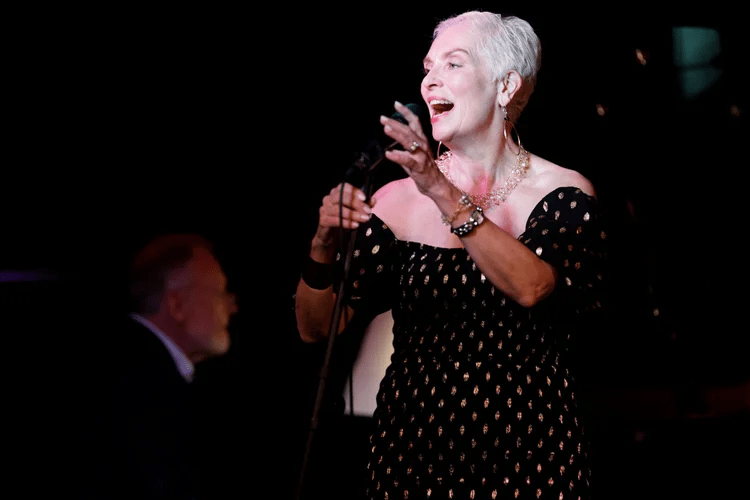
You recorded in Cape Town with George Werner and later completed the project in Canada. How did working across two continents impact the creative process?
It is so easy to communicate across continents today – there are just so many tools available that it was easy to connect with George as we worked on the song in Canada. Wynn Gogol and I did some restructuring for sure but we always made sure George was in the loop and we were careful to incorporate his notes.
The song features both English and Xhosa vocals. What was the importance of incorporating multiple languages into this piece?
George asked me about this early on. Esihle Valela was our sax player but also a singer. I loved the idea of bringing in an African voice to the song but more than that, the Xhosa words Esihle chose to bring create a beautiful counterpoint lyrically – bringing a sense of hope and redemption.
Your music often explores themes like loss, resilience, and power. How does “Broken Horned Kudu” expand or deepen those themes in your work?
I have come to realize just how much hope and redemption factors into my writing. I feel the universe is a loving and beautiful place but that its tough love sometimes and that is hard for us to reckon with. I will explore these themes much more intentionally for a while now.
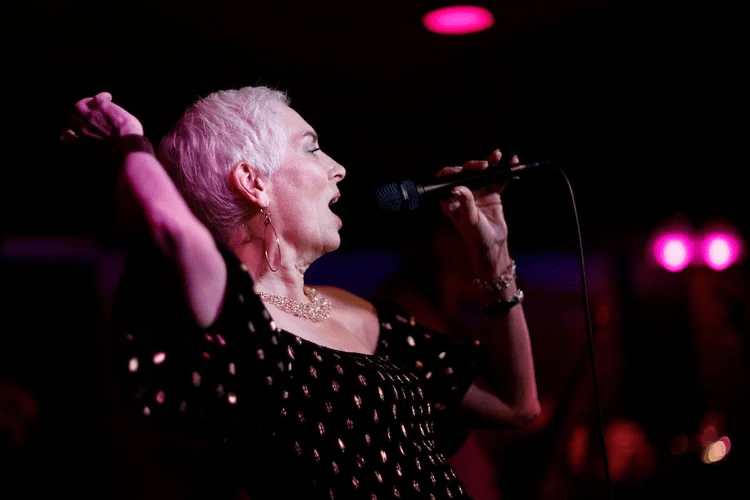
Musically, the track blends Cape Jazz traditions with world jazz elements. How did you approach balancing authenticity with your own artistic voice?
I really didn’t think about authenticity very much – unless by that you mean honesty and respect for others. The song took us where it wanted to go, and I think that is the most “authentic” place we could possibly be.
There is a strong sense of space and atmosphere in the production. What role did minimalism and arrangement play in telling the story of the song?
That’s a good question. George deliberately kept the arrangement simple, and that made for a strong base over which I could sing and create melody – and for Esihle too. I feel it also fit with the lyrics. The story is sad, terrifying even, but still the choices are stark and simple and few. The simplicity of the arrangement allowed the song to speak more clearly.
The message of hope in the line, it will all be fine” feels central. What do you hope listeners from that idea?
The world is constantly presenting us with choices – I believe that is how we frame our lives. Some choices are easy. Many challenge us to rethink everything we thought we knew, even to see death differently. One choice that arises every time is how we choose to seek the good and importantly, the moral end. I think that is the message of the Xhosa – “we seek health” “we seek love”, and “it will all be fine”. It’s the journey, as is often said, not the destination.
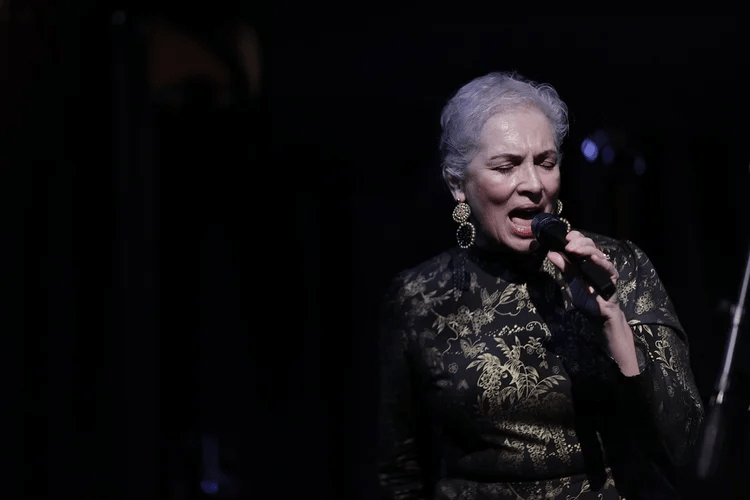
With this release marking a new chapter career, how do you see your sound and storytelling evolving in future projects?
It has made me reflect more on the intuitive parts of my storytelling and now, as I said, I will reflect on them more intentionally in my songwriting. I have a 3rd album coming up – we are starting to record some songs for it next month, but I still have some writing to do.
And on another project, I am looking more at jazz standards and thinking about lyrics already written and reflecting on the time and values that were present when those songs were written. I am interested in honouring them but interpreting them for a modern audience in a way that is consistent with my own values.
Connect with Heather Ferguson: Instagram, Spotify, YouTube, Website