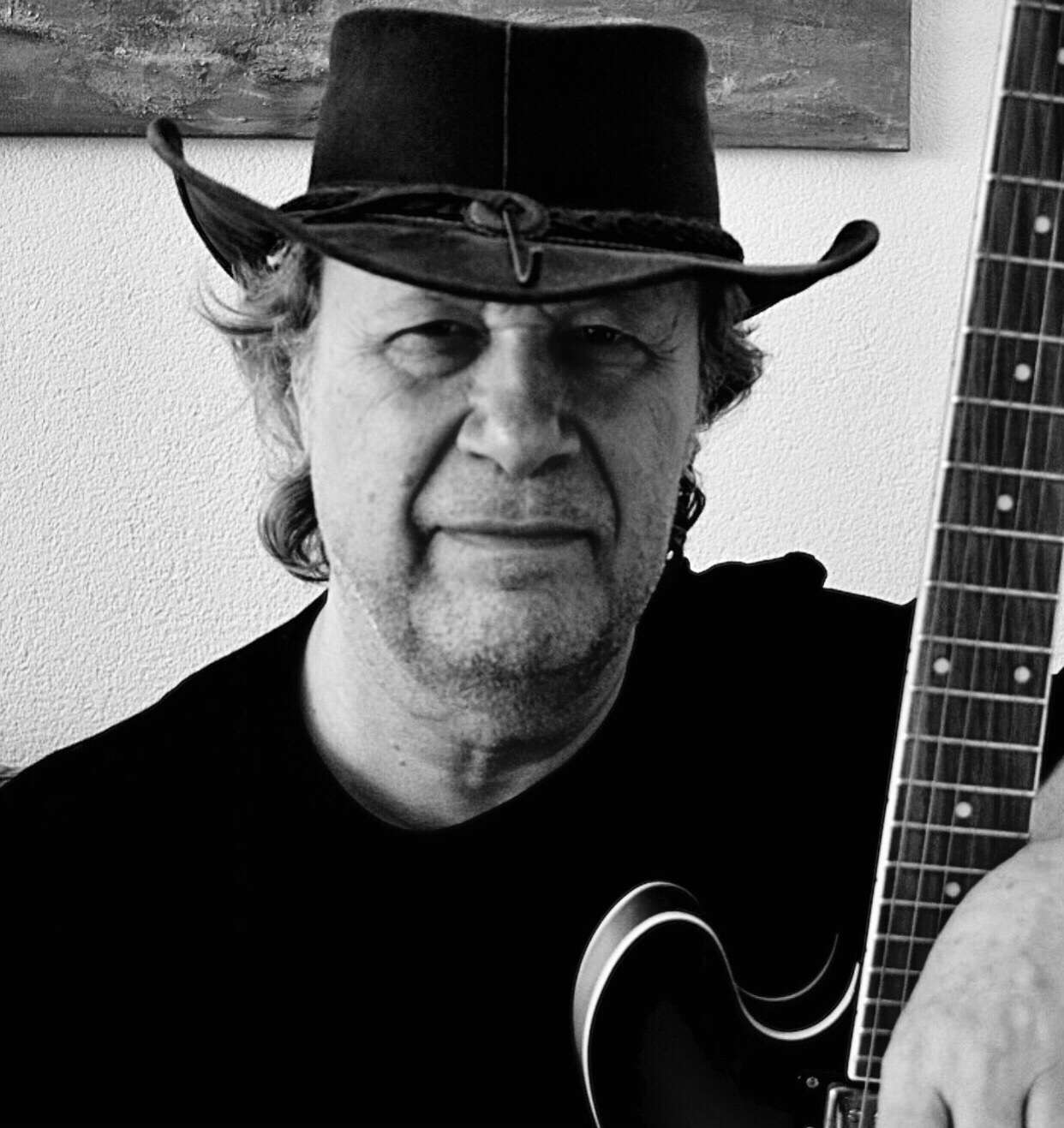
Few artists possess the kind of creative depth and emotional intelligence that Harry Kappen brings to his music. A songwriter, producer, performer, and music therapist, Kappen has built a career defined not by trends or commercial formulas, but by authenticity, reflection, and fearless artistic evolution. His work carries the kind of honesty that only comes from lived experience, shaped by decades of musical exploration and a profound understanding of human emotion.
With the release of his latest album, After the Crossing, Harry enters one of the most transformative chapters of his life and career. Recorded after his move from the Netherlands to Mexico, the album captures the emotional complexity of transition, reinvention, and rediscovery. It is a deeply personal body of work that reflects both the uncertainty and excitement of starting over in a new culture while holding onto the universal language that has always grounded him: music.
At the heart of the record is “Distant Shore,” a powerful and thought provoking single inspired by the realities faced by refugees around the world. The song showcases Harry’s remarkable ability to translate observation into deeply moving art, pairing introspective lyricism with sonic textures that subtly nod to one of his greatest inspirations, David Bowie. It is this blend of emotional honesty and musical sophistication that has earned Harry widespread acclaim, including recognition as Elite Music Awards’ Songwriter of the Year and IMN’s Favorite Impact Artist.
Beyond the accolades, what makes Harry Kappen such a compelling artist is his unwavering commitment to truth in his work. Whether drawing from his experiences in therapy, reflecting on life’s transitions, or experimenting freely in the studio, his music always feels deeply human and unmistakably sincere.
In this interview, we speak with Harry about After the Crossing, the emotional weight behind his move to Mexico, the influence of Bowie, his philosophy on creative freedom, and what lies ahead as he continues pushing his artistry into exciting new territory.
After the Crossing feels like more than just an album title. It sounds like a reflection of personal transformation and new beginnings. What does this chapter of your life represent to you, and how deeply is that woven into the songs on this record?
’After the Crossing’ is the first album I recorded after moving from the Netherlands to Mexico. It indeed reflects a new phase in my life; leaving family and friends behind, a new beginning in a different culture with a different language. My wife is Mexican. Fortunately, that makes the transition easier. And of course, it makes you reflect on what was and what is to come. The language that remains the same is the universal language of music. That, too, makes the transition easier for me, because I can express myself best in it.
The sonic influence of David Bowie’s Space Oddity on “Distant Shore” is a beautiful tribute. What did Bowie mean to you as an artist, and how has his legacy shaped your own approach to songwriting and creativity?
To me, Bowie represents musical change and the ability to adapt to new times. I admire that greatly in him, and that is why he is an example to me. Not all changes were always equally successful, but the fact that he dared to break new ground was admirable. Additionally, especially in his early period, he used inspiring original twists in his music, in both chords and melodies. And I love the melancholic sounds of the mellotron.
You write, perform, record, and produce your music yourself. How does having complete creative control affect the honesty and vulnerability that listeners hear in your songs?
I play who I am. I make songs that are inspired by the everyday things around me and that reach me through the media, and I react to them. And I do that as best I can with the means I have. I try not to portray things as prettier or more polished, and I think that makes it sound authentic. I accept my shortcomings, both musically and in my lyrics; it is what it is. The complete control you are talking about mainly ensures that I am not dependent on others, on expensive studio time, or on deadlines. I work quietly on my songs at home without pressure and with maximum freedom, now also in Mexico. And there is still a lot to write about.
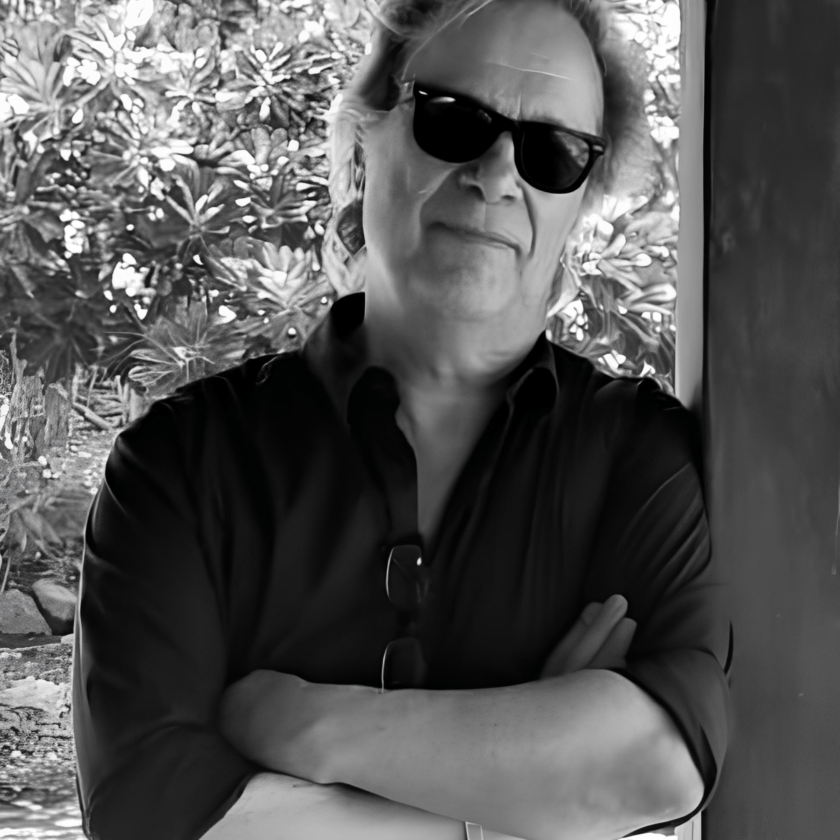
Your background in music therapy gives you a unique understanding of emotional connection. How has that experience influenced the way you craft songs and communicate through music?
My work as a therapist, by helping my clients and standing alongside them in their process, has enabled me to better examine my own emotions and express them through music. Being able to put yourself in the mindset of others is a good way to better understand the world around you. Drawing connections between the past and the future, between people and their history and the actions they take in the present, becomes more transparent and logical, no matter how destructive or unproductive they may be.
It has undoubtedly had an impact on my music-making, although I do not dwell on it every day. I live in the present and respond to my surroundings as honestly as possible. Without a message. That people recognize themselves in this is merely a bonus.
You’ve released five albums since Covid, which is an incredible creative run. What has fueled this consistent output, and do you feel this period has brought out your strongest work yet?
I think it is primarily this new phase of life that is causing this; I am not the youngest anymore and I still have a lot of music lying on the shelf that, in my view, deserves to be developed further. And I am capable of doing all of that myself. I think Covid has also shaken everyone awake in that regard; life is not to be taken for granted, it is fragile and has a certain expiration date. And no one knows what that date is. So the ‘now’ has become much more important. So why wait any longer to release music, to express my creativity, to enjoy my life?
Having worked across performance, production, education, and therapy, your musical journey is incredibly diverse. Looking back, which chapter of your career shaped you the most as the artist you are today?
I think everything has influenced me: the first school band, the first TV appearance, my personal circumstances (relationships, education, being a father), but musically speaking, the two most important chapters are the collaboration with Jeroen Goeijers and Koop Hofman in the band PPGO, and making an album together with my sister Hanneke called Kapsonic.
Improvisation played a very important role in PPGO. The rehearsals looked like this: we would gather in the rehearsal room at 8:00 PM, plug in our instruments, and start playing non-stop until 10:30 PM. A great celebration of reacting to each other in the moment. And everything was recorded. Countless ideas and complete songs emerged. And at 10:30 PM, we went home satisfied. It was improvisation like in Jazz, but with a pop idiom.
Kapsonic was a cherished project with my sister Hanneke. I made the music, she sang and wrote the lyrics. Together we did the production. With a very good album as the end result. We recorded everything just the two of us, and what I learned from it most is the care with which we did everything. Beautifully balanced, well-considered, and all without losing the spontaneity.
You’ve earned major recognition, including the Elite Music Award for Songwriter of the Year and the IMN Award for Favorite Impact Artist. How have these honors impacted your confidence and perspective as an independent artist?
To be honest, I never really was into awards. Nowadays, musical competitions have apparently become more important. Everyone makes their own music, and that is sometimes difficult to compare to the music of others. Music is a very personal matter, at least for me. I use it to express my emotions, my thoughts, and my views. You won’t see me on ‘The Voice’ or any similar program. What others think of my music is not a driving force for me to make music.
But of course, it is simply nice when people recognize themselves in my music and appreciate it. So, awards in themselves don’t affect my self-confidence, but from a business perspective, it does help to reach a wider audience.
The music industry continues to evolve rapidly. From your experience, what advice would you give younger artists trying to build meaningful careers while staying authentic to themselves?
Play with joy, and try to develop your own style. Play often with others. Learn from others, but don’t copy; do it your way. And be headstrong about it, but not ‘too much’; sometimes circumstances ask you to change. Change then without losing yourself.
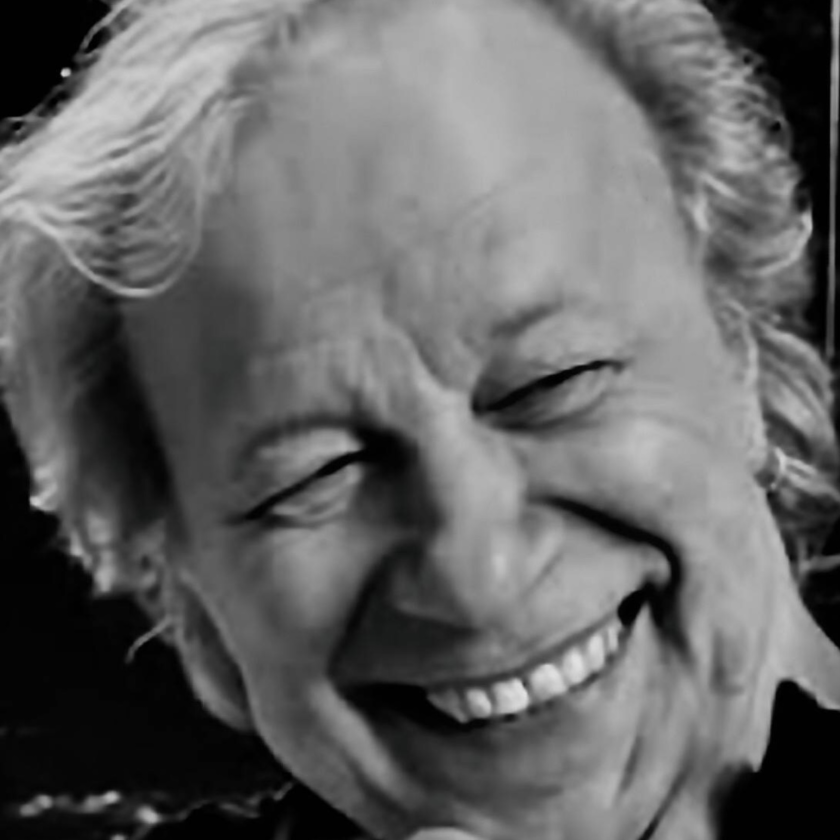
As you begin this new chapter in Mexico and continue building momentum with After the Crossing, what excites you most creatively, and what can listeners expect from Harry Kappen moving forward?
After the current single “Distant Shore,” another single will undoubtedly follow, and perhaps another. I am doing this in collaboration with Michael Stover’s MTS Records.
In the meantime, I am already working on the next album, which will be released next spring. And I can reveal that it will be a great album. By the way, you can follow me on my website www.harrykappen.com, so you will always stay up to date.
There are several things still to happen this year; I am in the process of forming a band with mainly amazing Mexican musicians. And that means performing. And that is new for me; until now, I recorded my albums in my studio and hardly played live. That is going to change. Performing here in Mexico, but the plan is to play in Europe again as well, and further afield. It is all very exciting.