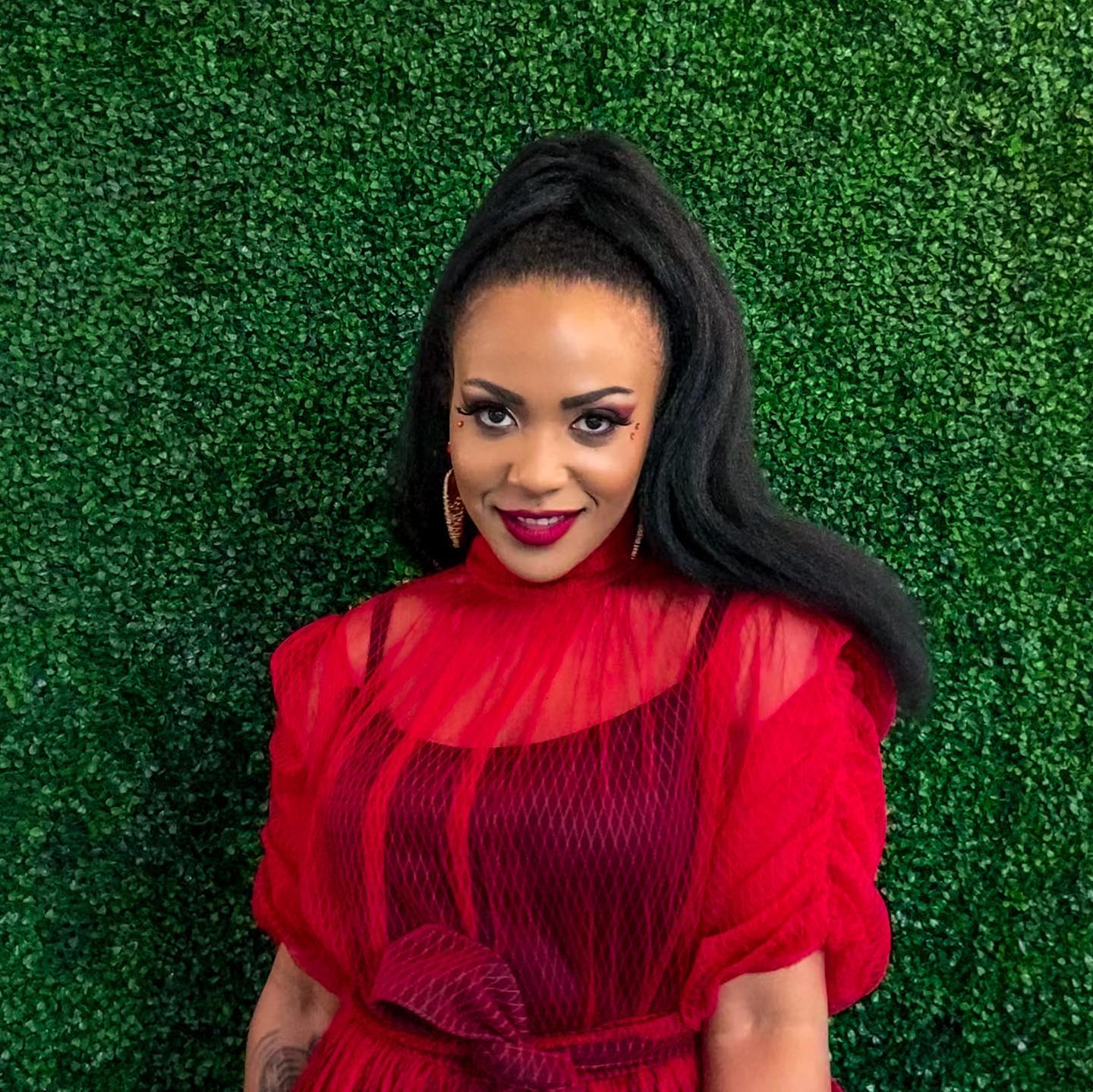


Dani Ivory has steadily emerged as a distinctive voice in contemporary music, blending heartfelt storytelling with a grounded, organic sound that reflects both her personal journey and artistic evolution. From her upbringing in a large, faith-based, music-centered family to her years studying classical piano, Ivory developed a foundation in discipline, emotional expression, and narrative nuance that continues to shape her songwriting today. Music was never just technique; it was a way to connect, to convey feeling, and to explore the human experience in all its complexity.
Her years performing globally as a background vocalist and instrumentalist for artists such as Beyoncé and Imagine Dragons provided her with an unparalleled perspective on professionalism, performance, and audience connection. From stages like the Super Bowl and Coachella, Ivory learned how to captivate listeners not just through sound, but through presence and intention. These experiences gave her the confidence to step forward with her own material, carrying the lessons of technical mastery and emotional authenticity into her solo work.
Ivory’s artistry is defined by her willingness to embrace vulnerability and to explore the messy and sometimes uncomfortable realities of human relationships. Her lyrics often examine the tension between loyalty and self-preservation, the challenge of maintaining boundaries while nurturing deep connections, and the ongoing work of personal growth within intimate bonds. Rather than presenting polished or idealized narratives, she prefers to tell stories that are evolving, authentic, and reflective of real life, the moments of doubt, reflection, and resilience that shape who we are.
With her upcoming EP, No Other Way, Ivory embraces a more organic, grounded sound rooted in folk, country, and Americana influences. This shift is less a departure than a return to her core musical identity, reflecting a phase of maturity and self-realization. The arrangements are natural and unvarnished, echoing the honesty at the heart of her songwriting. Ivory’s work demonstrates that authenticity in music does not require perfection; it thrives in nuance, imperfection, and the willingness to confront the truth of one’s own experiences.
Ultimately, Dani Ivory is an artist who blends emotional honesty with craft and discipline. Her music invites listeners to engage with the full spectrum of human experience, strength and vulnerability, joy and struggle, hope and uncertainty. By sharing her journey through intimate storytelling and grounded production, she creates a space where personal reflection meets universal resonance, proving that the most compelling music is often born from courage, self-awareness, and the willingness to stay present through life’s complexities.
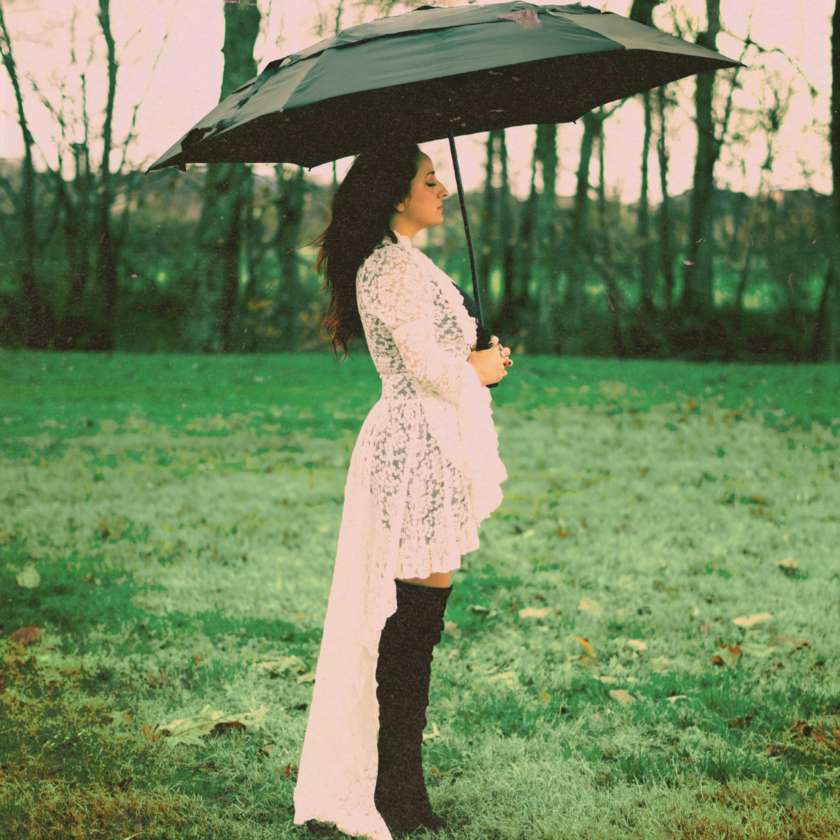
“Get Through” opens with the line, “I really want to write a love song / But I can’t seem to get it right,” immediately dismantling the idea of a polished, picture-perfect romance. What was happening in your life when you wrote those opening lyrics, and why was it important for you to begin the song with that level of emotional exposure rather than presenting love in a more idealized way?
I actually opened the song that way because that was quite literally what I was trying to do that day…sit down and write a love song. I was in the middle of some very personal struggles with someone I love deeply, and I wanted to write something light and celebratory, but I couldn’t. Every time I tried to lean into “flowers and rainbows and sunshine,” it felt dishonest. The love I was experiencing wasn’t simple or polished, it was deeper. It was evolving. It was being tested. It was full of challenges and obstacles that were shaping us in real time. Starting the song with that kind of emotional exposure felt important because love, especially long-term love, isn’t always cinematic. Sometimes it’s complicated and uncomfortable and requires you to fight for connection. I didn’t want to idealize it, I wanted to tell the truth about it.
The song explores the tension between loyalty and self-protection, especially in the line, “If you go down, baby, I go down.” How do you personally navigate the fine line between standing by someone you love and maintaining your own emotional well-being, and did writing this track shift your perspective on that balance?
Part of growth, especially within a relationship, is learning your boundaries and standing by them. The challenge is that when you love someone deeply, those boundaries can blur. You want to protect yourself, but you also don’t want to abandon the person you care about. That tension is very real for me. Loving someone fiercely while maintaining your own emotional well-being is a constant balancing act. When I wrote, “If you go down, baby, I go down,” it was about commitment…that “ride or die” energy. It wasn’t about glorifying self-destruction, but about saying I’m not walking away when things get hard. At the same time, writing the song made me reflect on where solidarity ends and self-erasure begins. Ultimately, love shouldn’t mean losing yourself but should mean choosing to rise together, even when you’ve had to sit in the hard places first.
One of the most striking moments comes when you admit, “I wish I was stronger not to enable you, but I’m human too.” How challenging was it to publicly acknowledge your own flaws within the relationship dynamic, and do you feel that vulnerability has become a defining part of your artistry?
In the context of the song, that line just poured out of me. It didn’t feel challenging because I’m very aware that I’m not perfect. When I write, it feels like a diary entry and a space where I can admit things I might struggle to say out loud face to face. There’s a safety in songwriting that allows me to confront my own flaws without defensiveness. Publicly acknowledging them is different, of course. It’s more exposed. But I think that honesty is important. Vulnerability has absolutely become a defining part of my artistry especially as I grow into a more fully realized version of myself. The more I evolve, the less interested I am in pretending. I’d rather tell the truth, even when it implicates me.
Rather than offering easy answers or a triumphant resolution, “Get Through” sits in the messy middle of love. Was it intentional to leave the emotional outcome open-ended, and what does that say about how you view commitment and growth in real relationships?
Yes, it was absolutely intentional. I didn’t want to wrap the song up with a neat resolution because real love rarely works that way. Instead, the ending swells toward a sense of hope like sunlight breaking through the storm clouds; however, it doesn’t pretend everything is suddenly fixed. To me, love is an ongoing evolution. There isn’t a clean ending; there’s movement. There’s ebb and flow. There are valleys, plateaus, peaks, and sometimes even moments of coasting. But the through-line is commitment and choosing to stay, to grow, to climb. Leaving it open ended reflects how I see real relationships: not as fairy tales with final chapters, but as journeys that require resilience, strength, and an appreciation for the uphill stretches as much as the beautiful views.

Your upcoming EP, No Other Way, signals a shift toward a more organic, country-rooted sound compared to the ethereal EDM and pop influences of Dreamland. What inspired this sonic evolution, and how does “Get Through” embody a truer reflection of who you are today as a songwriter?
I’ve always had a folk, country, Americana thread running through my songwriting, even though I grew up heavily influenced by R&B and pop. With Dreamland, I was in a phase where I was still experimenting and trying to understand “the formula” of a successful pop record while also resisting being boxed in. I was also working with a different producer at the time, which naturally shaped the sonic direction of that project. With No Other Way, the shift feels less like a pivot and more like a return. I stopped chasing what I thought a song should sound like and leaned into what feels honest to me. The arrangements are more organic and more grounded and that reflects where I am personally. “Get Through” is the most recently written song on the EP, and I think you can hear the maturity in it. There’s less posturing, less polish for the sake of polish. It’s rooted. It’s vulnerable. It feels like a truer representation of who I am today not just as a songwriter, but as a person.
You’ve spent years touring globally as a background vocalist and instrumentalist for artists like Beyoncé and Imagine Dragons, performing on stages from the Super Bowl to Coachella. How has supporting other major acts shaped your confidence and identity now that you’re stepping forward with deeply personal solo material?
Supporting artists like Beyoncé and Imagine Dragons taught me an extraordinary level of professionalism and discipline. Performing on stages like the Super Bowl and Coachella shows you what it really takes to move a massive audience. I learned how to build a performance that serves the music, whether it’s production-driven spectacle or something more stripped and musical. But beyond the technical lessons, the biggest takeaway was witnessing that every major artist I’ve worked with steps on stage and leaves everything out there. There’s no holding back. That’s influenced me deeply as I step forward with my own material. It’s given me the confidence to claim space, not just as a supporting voice, but as the storyteller. I’ve seen what excellence looks like up close, and now I feel equipped and ready to bring that same level of intention and vulnerability to my own work.
As an early member of Imagine Dragons and someone who helped secure their record deal, you’ve experienced the industry from both creative and business perspectives. How have those experiences informed the way you approach your own releases, branding, and long-term vision as an independent artist?
When their record deal was secured back in 2012, the industry looked very different. The label system had more centralized power, streaming hadn’t fully reshaped revenue models yet, and social platforms weren’t what they are today. Watching that unfold from the inside gave me a front-row seat to both the creative momentum and the business mechanics behind building a career. What hasn’t changed, though, is this: artists have to make music…and then make more music. And they have to play it live! Over and over. The more you create and the more you get in front of people, the greater your chances of building real traction. Streaming has shifted the economics dramatically. The payouts are minimal, but the exposure and accessibility are unprecedented. I approach my releases understanding that recorded music is both art and ecosystem which fuels discovery, builds audience, and ultimately drives people to the live experience, which is where connection and sustainability can really happen. Having seen both sides, I think more long-term. I’m not chasing a moment; I’m building something durable. Every release, every branding choice, every show is part of a bigger arc.
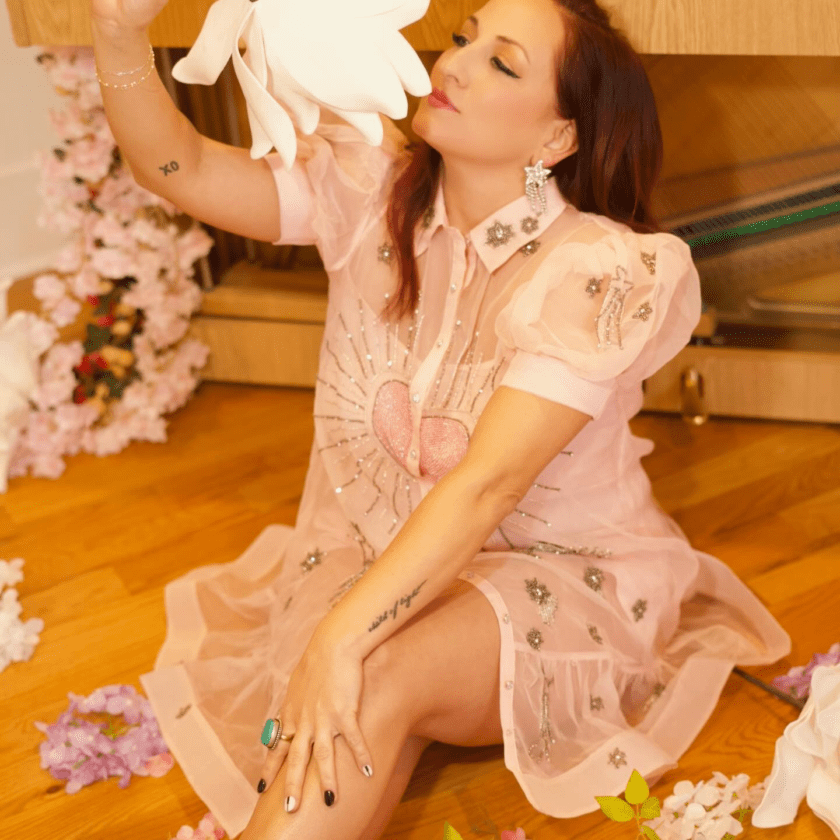
Growing up in a large, faith-based, music-centered family and studying classical piano from a young age, how did those early influences shape your understanding of discipline, storytelling, and emotional expression in your songwriting today?
Like most kids, I didn’t always want to practice. I wanted to be outside with my friends! But that discipline shaped me in ways I didn’t fully understand at the time. Taking a short break in high school only made me realize how much I missed it, and when I returned, I came back fully committed. From a young age, I knew pursuing music could take me places beyond my imagination but not without discipline and dedication. Growing up in a large, faith-based, music-centered family, music was always about storytelling and emotion, not just technique. I started writing songs young, and every new chord or harmony felt like a door opening. Writing a song for my high school graduating class showed me that music is where discipline meets emotion, which is a foundation that still guides my songwriting today.
Your lyrics often blend strength with softness, power with vulnerability. Do you consciously aim to create that duality in your music, and how do you ensure that emotional honesty never feels performative but remains authentic?
Songwriting, for me, is about showing up every day…writing, revising, throwing ideas at the wall until the magic appears. Not every song hits, but persistence uncovers the gems. I aim for authenticity, though I sometimes stretch the truth or use creative license to convey a message. That’s the beauty of creativity: it lets you blend strength with vulnerability, honesty with imagination, in a way that feels real and alive.
When listeners connect with “Get Through,” especially those who may be navigating complicated relationships of their own, what conversations or reflections do you hope the song sparks, and what does “getting through” ultimately mean to you at this stage of your life and career?
For me, “getting through” is ultimately about trust and trusting that the storm will pass and that sunlight and warmth will return. I hope the song sparks reflections on patience, perseverance, and the ways love shows up, even in messy or challenging relationships. It’s about prayer, grit, hard work, commitment, and the quiet resilience that pulls you forward. At this stage of my life and career, it’s a reminder that even when things feel complicated or uncertain, staying present and steadfast is what truly gets you through. Trust your gut and never give up!