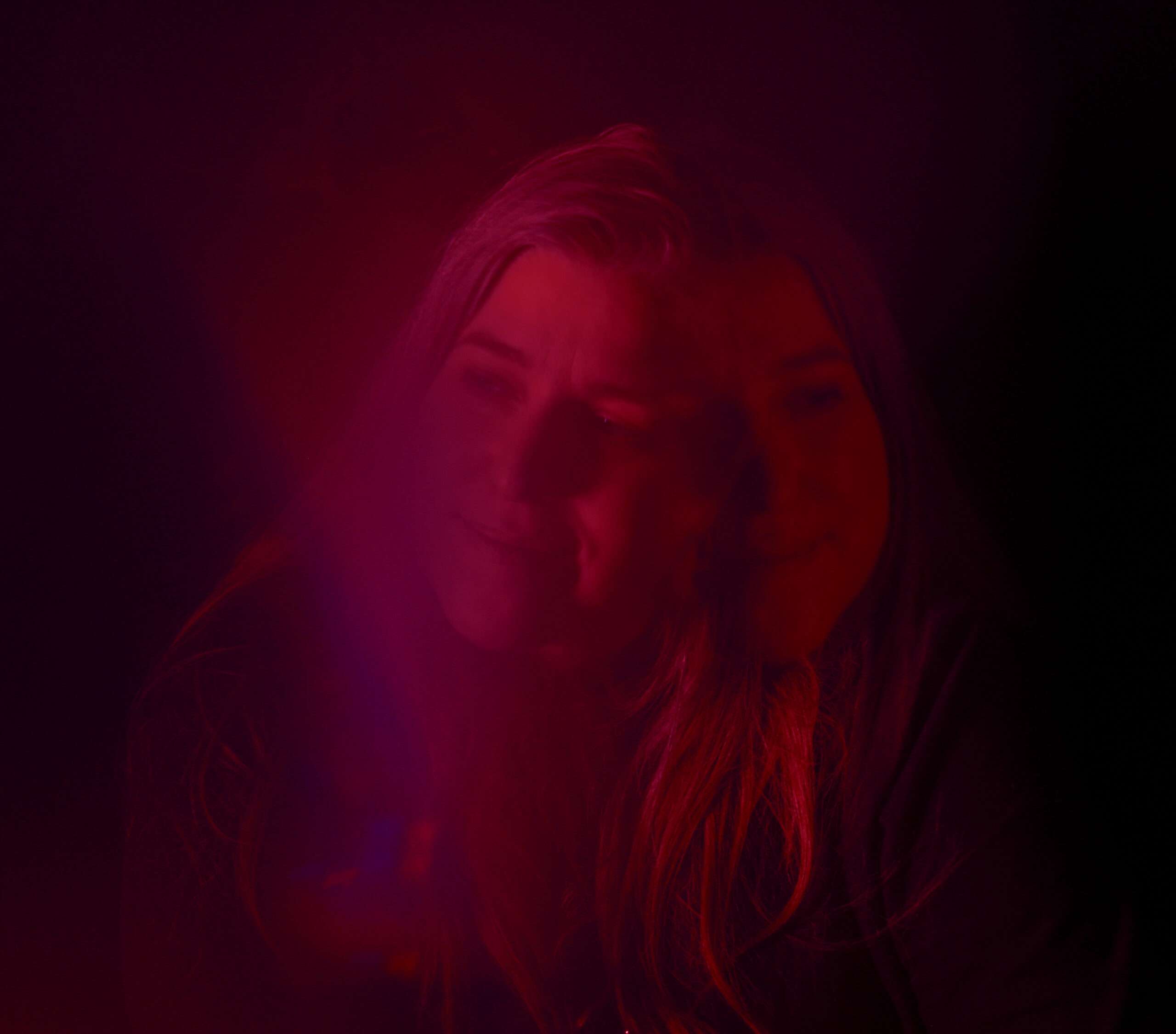
Music has always been more than entertainment for Silver Dawn. It has been a way to explore ideas, process emotions, and make sense of experiences that often feel too complex for words alone. Drawing inspiration from a lifetime of curiosity, experimentation, and creative freedom, Silver Dawn has built a sound that refuses to be confined by genre, blending elements of experimental electronic music, art rock, glitch pop, improvisation, and deeply personal storytelling.
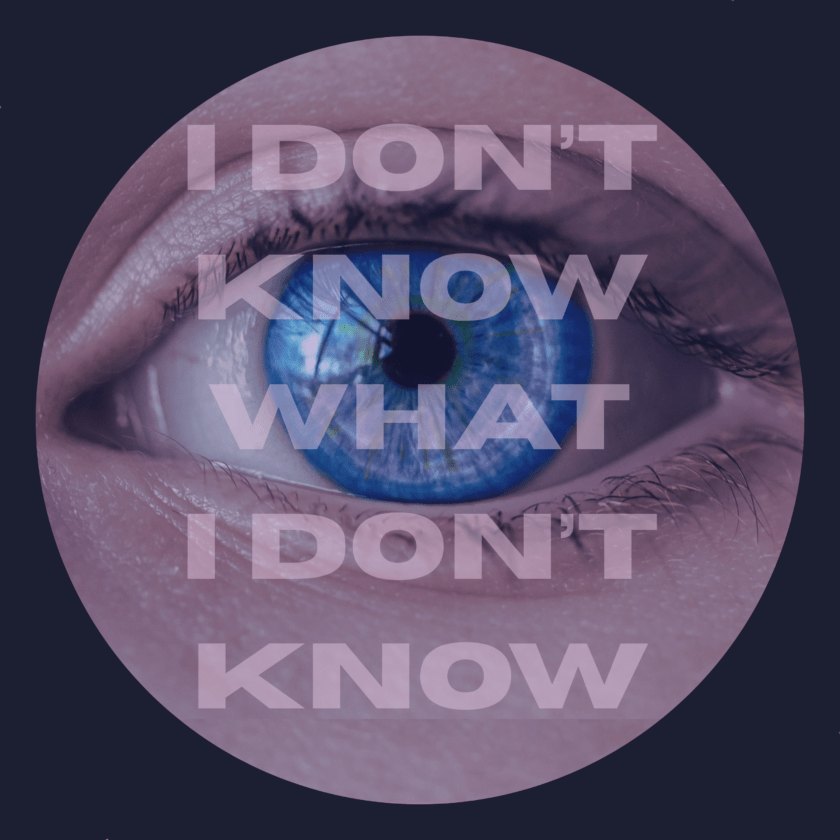
Her latest single, I Don’t Know What I Don’t Know, captures that spirit perfectly. Layered with inventive production and honest emotion, the song explores uncertainty, self-reflection, and the difficult process of letting go when answers never arrive. It is a track born from personal experience, yet one that speaks to feelings many listeners will recognize.
With a background that spans jazz studies, composition, live performance, and self-taught music production, Silver Dawn has developed an artistic voice that values authenticity over convention. Every song feels like an exploration, driven by instinct, curiosity, and a desire to create without limits.
In this interview, Silver Dawn opens up about the inspiration behind her newest release, the influence of her unusual upbringing, the role music plays in understanding herself, and the creative journey that continues to shape her ever-evolving sound.
For readers discovering your music for the first time, can you introduce yourself and share the story behind Silver Dawn and what inspired you to pursue a career in music?
I am a composer/producer/songwriter/artist and I am in a phase of working on my own, making experimental electronic and art rock music. Music has always been important to me. Any excuse to play it.
Your latest single, “I Don’t Know What I Don’t Know,” explores uncertainty and self-reflection through a unique blend of glitch pop and experimental sounds. What inspired the song, and how did the idea first come together?
It came from a pretty dark place, I’d been willfully misunderstood and had no idea why I’d been mistreated and kept out of things, but I sensed I am probably better off not knowing. I was reflecting on the relationships I had to let go to protect my peace, and didn’t know what the future holds. It was an uncertain headspace at the time. While I was messing around in my DAW, all the different sounds in the track spoke to me, articulating that feeling of hope in the midst of emotional churn.
Growing up with a father who was both a physicist and a music enthusiast sounds like a fascinating experience. How did that environment shape your relationship with music and creativity?
The broad interests and curiosity took my mind to far out places – wanting to see, know and experience literally everything there is, and it made narrowing down and specialising impossible. The world needs people condensed into marketable units, but it feels like a painful amputation for me to let go of an area of interest to focus on one genre or instrument, so this environment made me require absolute freedom to function authentically in music and creativity, or I get paralysed and creatively dishonest.
You’ve studied jazz and composition, played in various musical projects, and taught yourself music production. How have these different experiences influenced your sound as an artist?
To me, jazz is about improvisation and experimentation, and improvisation is basically spontaneous composition. When I listen to my own music, my favourite bits are the improvised bits where I remember exactly how I felt when I sang or played them, at the risk of sounding a bit up myself, there is something spiritual about the way an improvisation goes way beyond just music. Playing in wildly different musical ensembles has helped me explore different parts of my sound, but it is only through music production and working completely by myself, playing all the instruments, writing all the words and everything, that I have found true freedom to do whatever I want. and to realise my childhood musical dream.
When you sit down to create music, what usually comes first: a melody, a lyric, a feeling, or an experimental sound that sparks your imagination?
I often get lyrics and melodies or sometimes riffs coming into my head as I’m going about and I either make voice notes or write them down. When I sit down to intentionally create music without anything like that to work from, I’ll probably have a vibe about the tempo I am in the mood for, and have a mess around with synth sounds, having a little nibble of different ones like eating a box of chocolates. Depending on my mood, certain sounds ring true for me. I also might get an idea for an experiment that excites me and have some happy accidents. I’ll be playing music like a kid plays with toys.
Many of your songs seem to explore emotions and memories that are difficult to express through words alone. What role does music play in helping you understand yourself and the world around you?
Music helps me become more integrated – to explore my shadow and process my experiences beyond words. Any kind of art or creativity can do it. You start to explore the parts that are hidden from your conscious awareness using the art medium to channel them, like Jackson Pollock swinging his bucket of paint. It gives me a lovely sense of closure to make music out of vague and ambiguous feelings that plague me. I let out a sigh of relief and think “Ha! Done!” whenever I listen back to them.
Every artist faces challenges on their creative journey. What has been one of the biggest obstacles you’ve encountered, and what did you learn from it?
My biggest challenge has been overcoming my own limiting belief that it is socially dangerous to draw attention to myself. It’s been a long road, but I learned that you really need to let go of people who are invested in you being limited, to overcome limiting beliefs.
As an independent artist, how do you stay motivated and continue pushing your creativity while navigating the constantly changing music industry?
It’s quite addictive. Creating music, finishing music, releasing music. I’d miss it if I didn’t do it.
Is there a particular moment in your career so far that made you stop and realize your music was connecting with people in a meaningful way?
I don’t think so. Everyone experiences things through the prism of their own perspective, so I can never know what someone else is experiencing, and a compliment might be genuine, or it might be sycophancy, stunned silence might be connection or it might be shock at my temerity to make music. The most important thing, I’ve come to realise, is that it connects with me in a meaningful way. Anyone else is a bonus.
Finally, what excites you most about the future, and what can listeners expect from Silver Dawn in the months ahead?
I’m in a kind of ‘Field of Dreams’ space at the moment. I’m acting with faith that the road will open up as I step out. It’s a nice place to be. I am working on a new track I’m excited about. It’s nuts!