
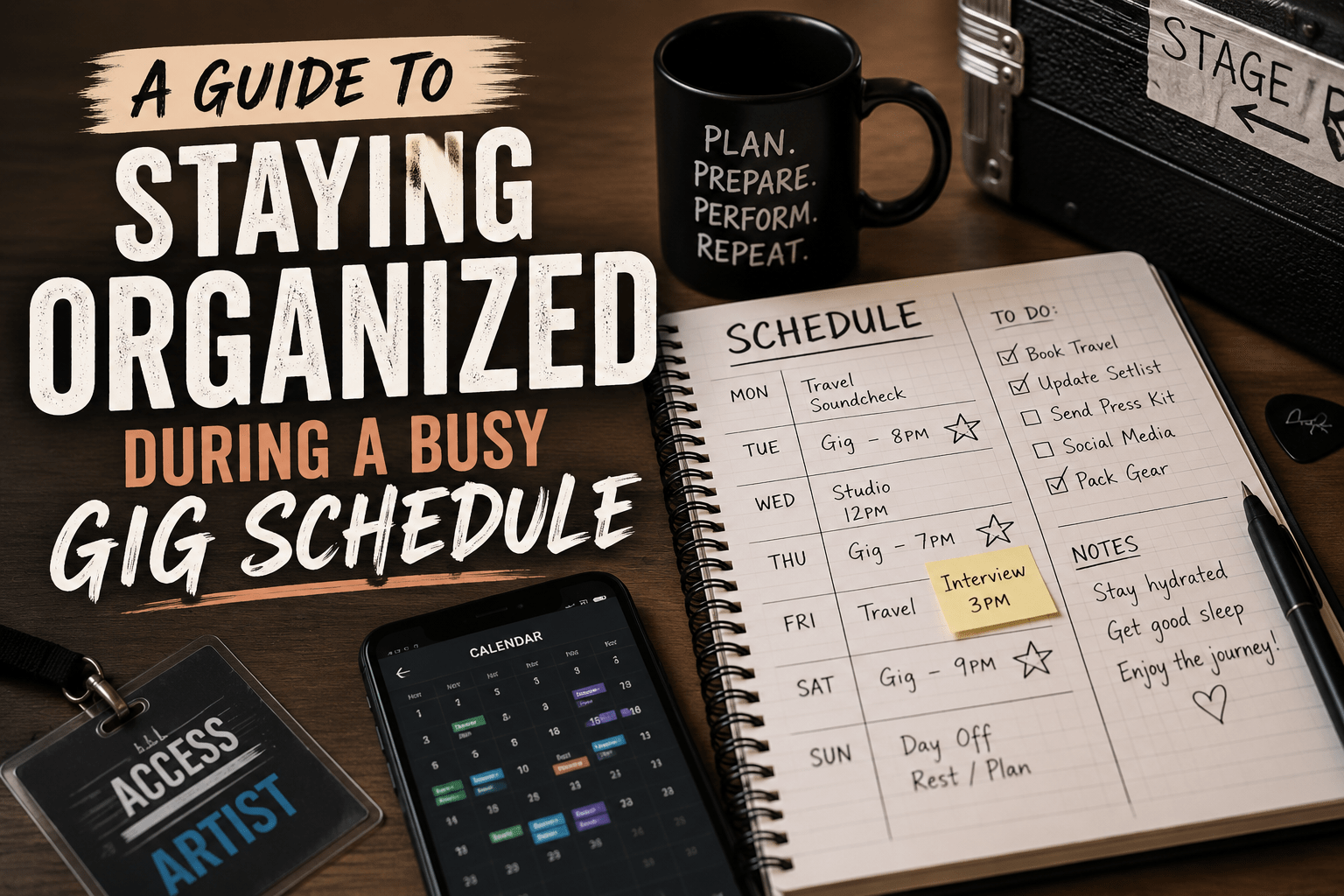
Gig work can be exciting, flexible, and full of variety, but it can also become overwhelming when several jobs, events, deliveries, performances, or freelance projects start overlapping. Without a clear system, it is easy to miss deadlines, forget details, or spend too much time reacting instead of preparing. Staying organized helps gig workers protect their time, reduce stress, and make the most of every opportunity.
Keep One Central Calendar
The first step is to keep all commitments in one place. Whether using a digital calendar, planner, or scheduling app, every gig should be recorded as soon as it is confirmed. Include the date, time, location, contact details, payment information, and any special instructions.
Color-coding can also help. For example, one color could be used for confirmed gigs, another for travel time, and another for unpaid admin tasks. This makes it easier to see what the week looks like at a glance and spot potential conflicts before they become a problem.
Build In Travel and Setup Time
A common mistake during a busy gig schedule is only planning for the gig itself. Travel, parking, loading equipment, checking in, setting up, and packing away all take time. Adding buffer time between commitments can prevent a packed schedule from becoming chaotic.
This is especially important when working across larger cities or different regions. For example, someone relocating temporarily for a run of performances, events, or contract work may need to factor in services such as New York vehicle transportation as part of their wider planning. Thinking ahead about logistics keeps the focus on the work itself rather than last-minute problem-solving.
Create a Weekly Reset Routine
A weekly reset can make a huge difference. Choose one day to review the week ahead, confirm addresses, check invoices, prepare supplies, and follow up on any outstanding messages. This does not need to take long, but it should become a regular habit.
During this reset, it also helps to list priorities. Some tasks will be urgent, while others can wait. Separating them avoids the feeling that everything must be handled at once.
Keep Essential Items Ready
Gig workers often rely on certain items every time they head out. This could include chargers, business cards, tools, uniforms, snacks, water, ID, or printed documents. Keeping these essentials in one bag, box, or checklist reduces the chance of forgetting something important.
For digital work, the same rule applies. Templates, contracts, invoices, passwords, and client folders should be easy to access. The less time spent searching, the more time can be spent earning.
Track Payments and Expenses
Busy schedules can make money management harder. Recording payments, deposits, mileage, supplies, and platform fees as they happen prevents confusion later. A simple spreadsheet or finance app can help track what has been paid, what is pending, and what needs chasing.
Protect Downtime
Organization is not only about getting more done. It is also about avoiding burnout. Build breaks into the schedule, block out rest days where possible, and avoid saying yes to every opportunity without checking capacity first.
A busy gig schedule can be rewarding, but only when it is manageable. With clear systems, realistic planning, and regular check-ins, gig workers can stay focused, professional, and ready for whatever comes next.