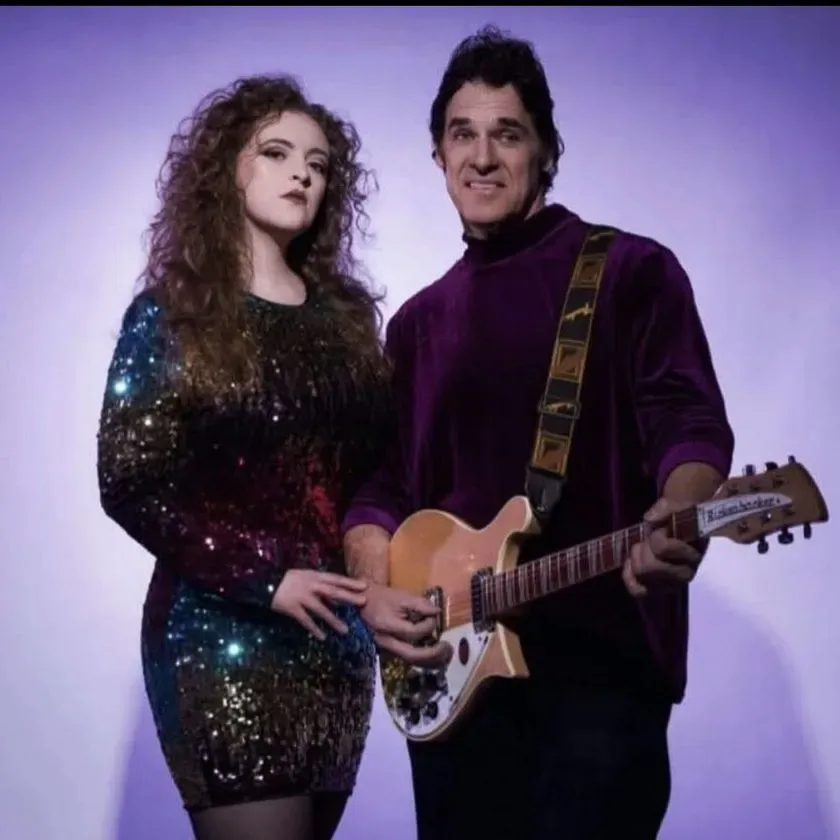
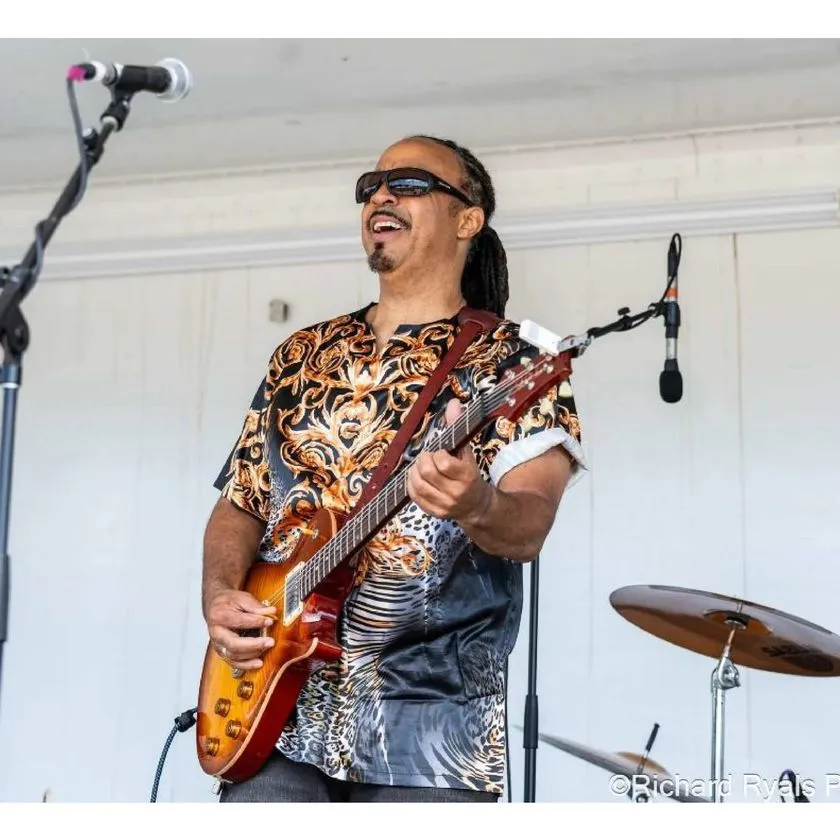
In this exclusive interview, Gerald Lucas discusses his creative reinterpretation of Duke Ellington’s beloved jazz composition, “Melancholia,” bringing a new emotional dimension to the piece through the violin. From the challenges of adapting Ellington’s original piano arrangement to the personal memories and inspirations behind the recording, he shares the artistic journey that led to this unique interpretation. He also reflects on the importance of honoring Ellington’s musical legacy, stepping outside his comfort zone, and his plans to reimagine more jazz classics for violin.
1. What first drew you to Duke Ellington’s “Melancholia,” and what made you choose this particular composition to reinterpret? “Melancholia” is my favorite Duke Ellington song–I was listening to it one day and thought it would be an interesting project to come up with a violin arrangement for the piece.
2. This release marks the first time you have arranged a jazz composition for violin. What inspired you to explore this new creative direction, and what was the biggest challenge? I did arrange another jazz tune, Vince Guaraldi’s “Christmas Time Is Here”, which I performed on guitar, violin and vocals.
The inspiration for the “Melancholia” violin arrangement came to me one day while I was listening to the original version, which is my favorite Duke Ellington song. The biggest challenge for the “Melancholia” arrangement was adapting the original piano piece for the violin given the differences and limitations of each instrument. You can play up to 10 notes simultaneously on a piano while you can only play 2-4 notes simultaneously on a violin so trying to recreate as much of Ellington’s full and expansive piano sound on the violin was a challenge—I incorporated double stops and chords in my arrangement to try to accomplish that.
3. Duke Ellington originally recorded “Melancholia” on his solo piano album The Duke Plays Ellington. What aspects of his original interpretation did you feel were most important to preserve in your arrangement? The dynamic arc of the piece especially during the opening and ending as well as the expressive feel of the original version.
4. The violin brings a very different emotional texture to the composition compared to the piano. What possibilities did the instrument offer you in expressing the song’s reflective and introspective mood? Vibrato, which is a left-hand technique on the violin that creates a fluctuation in pitch is the biggest element that the instrument allowed me to bring to my arrangement of “Melancholia”. True acoustic vibrato is not possible on a piano because once a hammer strikes the string and falls away, the player has no physical contact or control over the string to alter its pitch or volume. I deliberately tried to use vibrato more sparingly in my arrangement which wasn’t natural for me having learned the violin playing classical music where vibrato is used more continuously by default as a blanket tool. My intention was to incorporate violin vibrato in a targeted way often starting notes or phrases clean and straight and then adding vibrato selectively and intentionally to expand and broaden the emotional range of the arrangement.
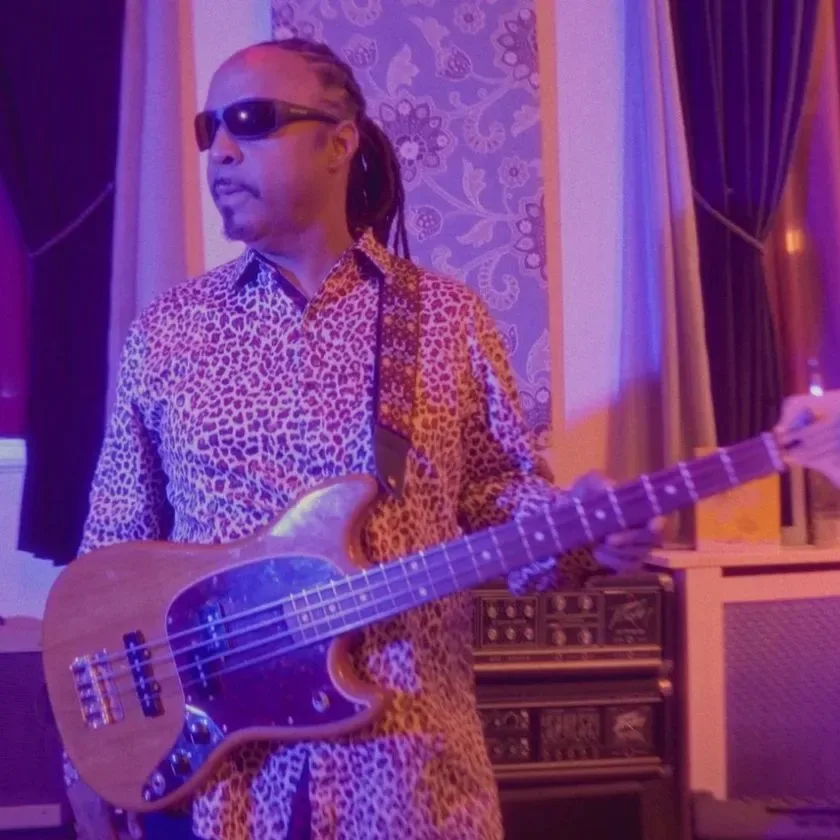
5. The title “Melancholia” suggests a sense of nostalgia, sadness, and reflection. What emotions or personal experiences did you connect with while working on this piece? Remembering and thinking about people I love who have passed, especially my grandmother who used to accompany me on the piano when I was a kid learning to play the violin.
6. Duke Ellington remains one of the most influential figures in jazz history. How has his music shaped your own musical development, and are there particular aspects of his artistry that you admire most? I humbly acknowledge that I am not a jazz musician. That said, I am and always have been a huge fan of music and I listen to and love many different musical genres. There are so many things to admire about Duke Ellington who obviously is a legend and a musical pioneer who’s had a massive and enduring cultural impact in the United States and around the world. Having grown up playing classical music, I always admired Ellington’s “Black, Brown and Beige”, which bridged jazz and classical traditions in a multi-movement jazz suite.
7. When reinterpreting such a celebrated composition, how do you find the balance between respecting the original work and bringing your own artistic identity to it?
Good question, although I am not a trained jazz musician, I do have several friends who are. I shared the initial musical fragments I came up with as I was developing the arrangement for “Melancholia” with some of the jazz musicians I know–they were cool with what I was doing which gave me more confidence to continue moving forward with the project. Honoring the piece and its brilliant composer was more important to me than showcasing individual artistic identity. Whether I did that or not is up to the listener to decide.
8. You describe music as a form of storytelling. If “Melancholia” were telling a story through the violin, what would you want listeners to imagine or feel as they listen? The video we did for “Melancholia” tells the story through images I imagined after I recorded the audio for the piece which I would describe as “The Circle of Life”.
9. This release showcases your versatility as a musician and your willingness to explore new musical territory. Has working on “Melancholia” changed the way you approach future arrangements or compositions? Yes, the project made me less timid about trying new things. When I started working on the project, a little voice in my head was telling me that it was beyond my reach and that I probably couldn’t do it because I hadn’t taken on a challenge like that before. The fact that “Melancholia” was written by one of the greatest musicians of the 20th century intimidated me. All art is subjective at the end of the day, so I’m sure some people may like what I did while others won’t-I’m just grateful that I stuck with it when things got challenging or frustrating until I arrived at something I could live with.
10. What would you like listeners, particularly those who already know Duke Ellington’s original version, to take away from your interpretation of “Melancholia,” and can we expect more jazz classics reimagined for violin in the future? I hope they identify with how much respect I have for the piece as well as its composer. I am currently working on a multi-instrument arrangement for “Georgia On My Mind”, but the answer is yes—I plan to study and reimagine more jazz classics for violin in the future.