
Before TikTok, music discovery was largely linear and controlled by radio DJs, TV channels, playlist curators and magazine editors. Today, TikTok’s short-form, algorithm-driven model puts discovery directly in the hands of users, making viral success accessible and global. This shift has opened doors for both emerging artists and diverse listeners worldwide.
According to TikTok’s Music Impact Report, an impressive 84% of songs that entered the Billboard Global 200 in 2024 first gained traction by going viral on the platform. Additionally, American users are 74% more likely to discover new music through social and short-form video platforms, highlighting the platform’s outsized influence on music discovery in the U.S. and beyond.
A track no longer needs a full-length release or an aesthetically pleasing music video to gain traction. Today, it only takes a compelling 15 to 30-second snippet to go viral. The snippet is usually the song’s hook, whether it’s the chorus, catchy lyrics or the beat drop, to immediately grab attention and increase the chance of being used in videos.
Gone are the days when people need MTV, YouTube or the radio to discover new music. With just a simple scroll, anyone can be exposed to songs that can become global hits overnight.
Recent Global Hits Born on TikTok
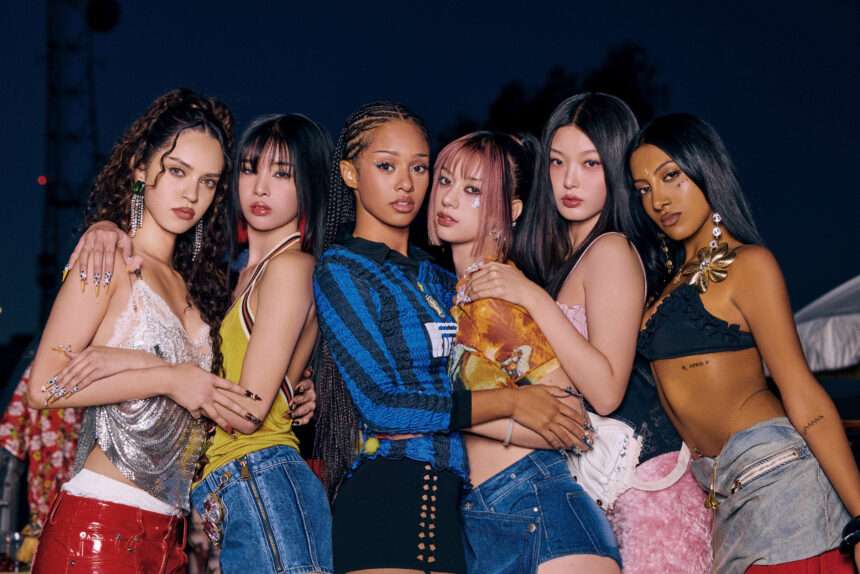
KATSEYE’s hyperpop track “Gnarly” is a standout example of a recent TikTok-driven hit. Its edgy sound and instantly recognizable choreography sparked a viral dance challenge, making it easy for creators worldwide to join in. As engagement soared, TikTok’s algorithm propelled the song onto countless “For You” pages, cementing its global reach.
Meanwhile, Sombr’s “Back to Friends” is also gaining momentum, thanks to its powerful chorus and emotional buildup — elements that invite creators to use the track in various contexts. The hard-hitting lyrics were so relatable — one can share it on Pinterest, Instagram or with a friend who just experienced a breakup. The soundscape also feels familiar, blending the nostalgia of 2000s emo with a fresh, modern edge.
TikTok’s influence isn’t limited to new releases. Connie Francis’s 1962 hit “Pretty Little Baby” surged into the mainstream, where millions have lip-synced to its lyrics while showcasing children, outfits or pets. Even Francis herself admitted she’d forgotten the song until it went viral on the platform.
How TikTok Is Rewriting Songwriting Traditions
Apparently, artists are now aware of the “scroll culture” and are shaping their music for TikTok’s fast-paced environment. Songwriters now frontload tracks with catchy hooks and memorable lines designed for user-generated content and viral potential.
Take Nicky Youre’s “Sunroof” as an example. Its structure spotlights the song’s fun parts, a formula that’s quickly becoming the new standard of TikTok-driven hits. Since the chorus is usually the song’s catchiest part, many songwriters choose to lead with it on the platform.
What does it mean for future songs? We can expect shorter songs in the future. According to songwriter Erika Nuri Taylor, many modern songs lack bridges, and streaming music has affected that. She says shorter intros and singing the chorus upfront are now the keys to success.
Despite upending traditional songwriting, TikTok is praised for democratizing music discovery. Where breaking into the industry once depended on label connections, today, anyone can upload a track and reach millions. This gives independent artists opportunities for exposure. Listeners also benefit — exploring new sounds can broaden their musical horizons in surprising ways.
As TikTok’s influence on music discovery continues to grow, people can expect shorter songs engineered for instant impact and shareability. Looking ahead, emerging platforms may build on TikTok’s model, offering innovative ways for audiences to discover and interact with music.
Beyond TikTok, people can find new music on streaming platforms like Spotify, Apple Music and YouTube. Yet, nothing compares to the excitement of in-person experiences, like attending concerts, going to social events, or getting recommendations from friends and family. This personal connection to music is something digital platforms can never fully replicate.
For music submission, click here