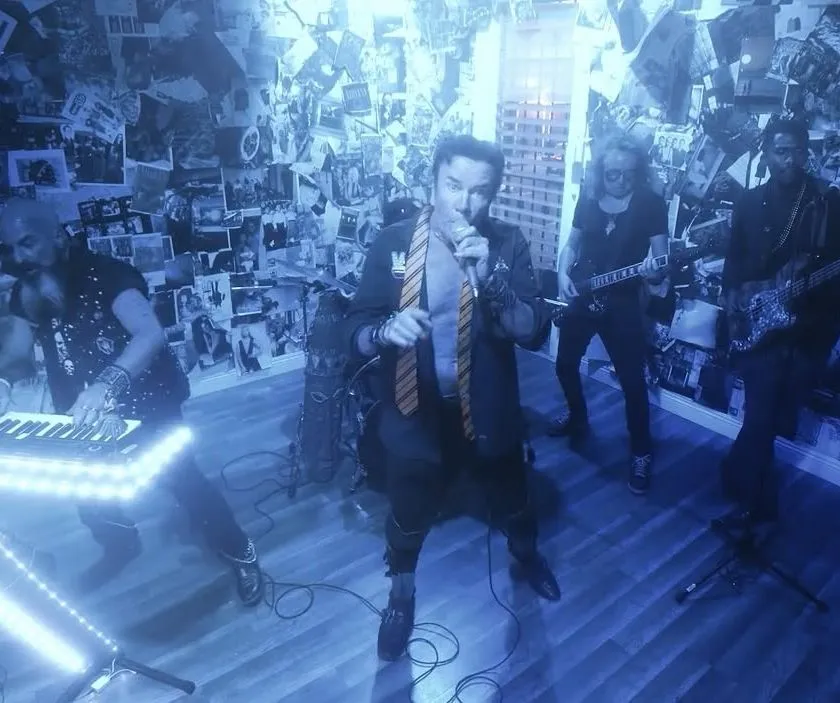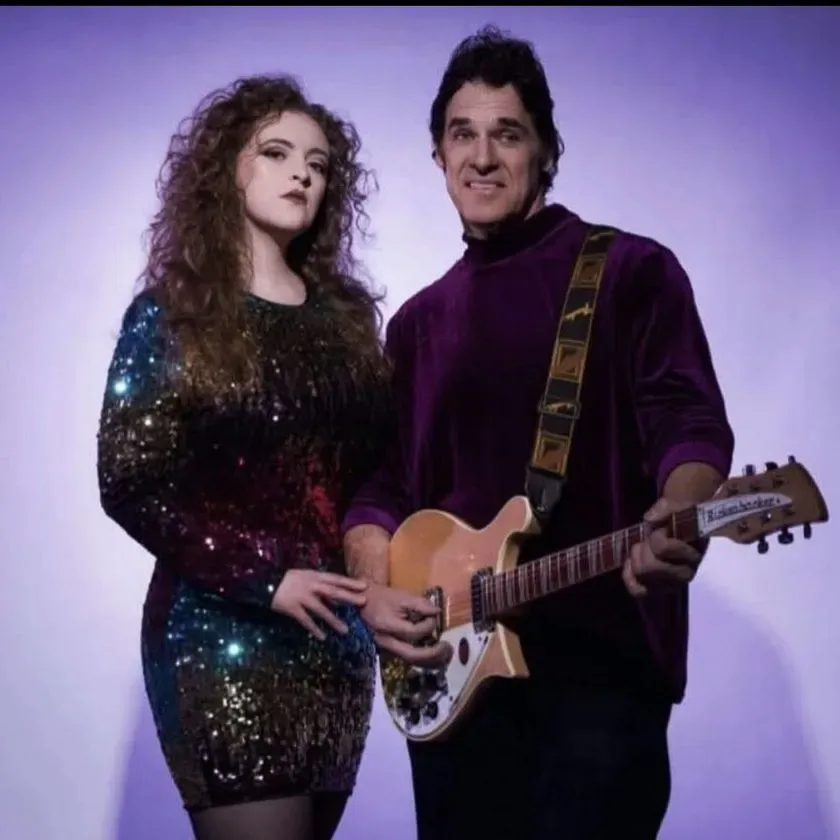
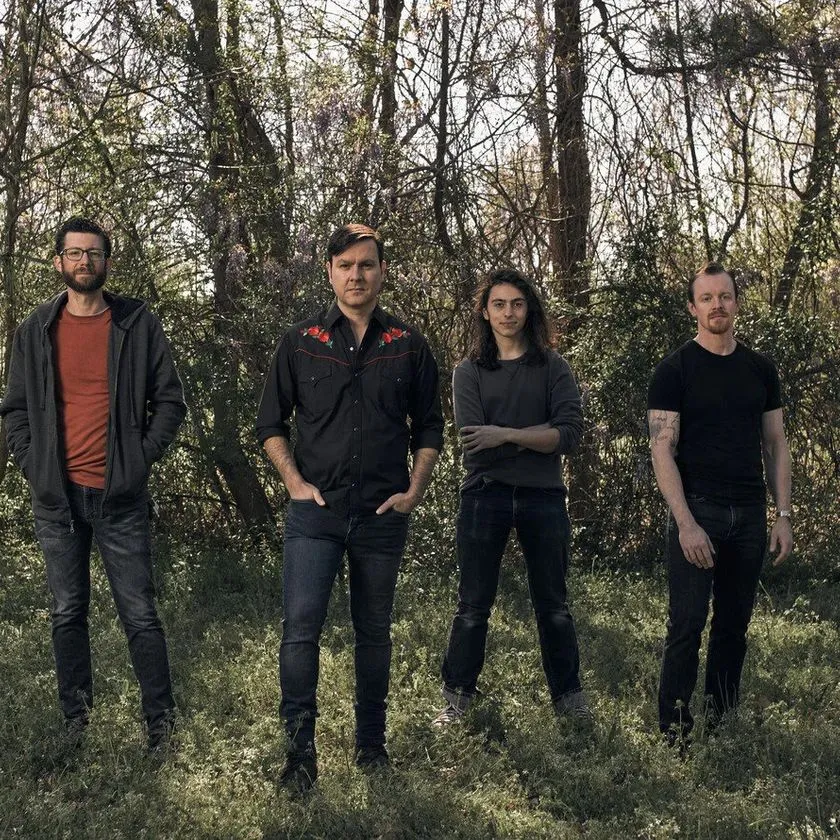
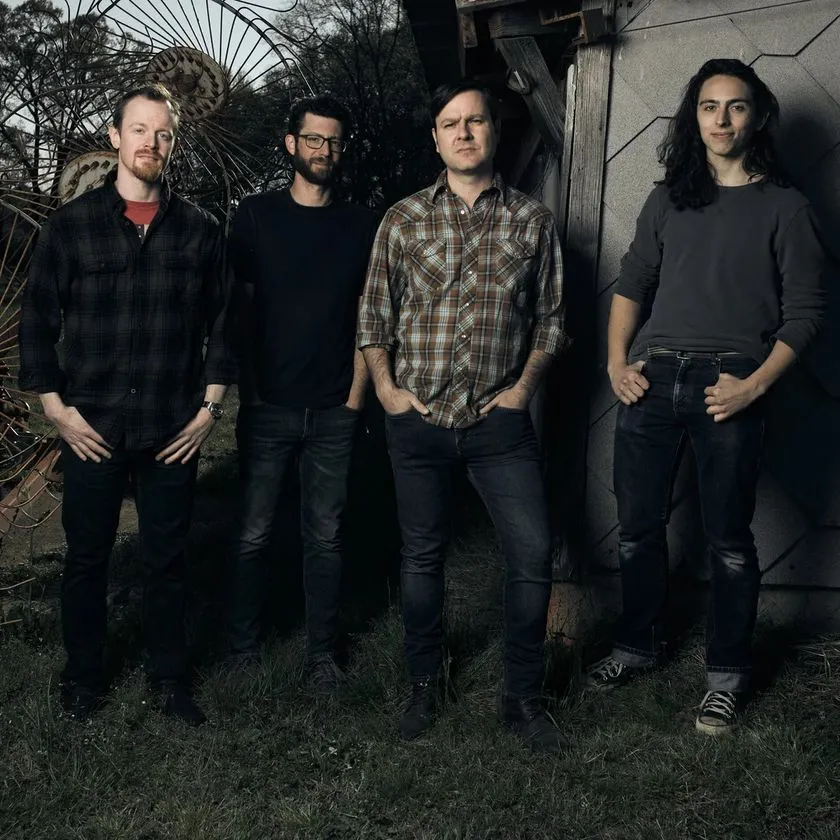
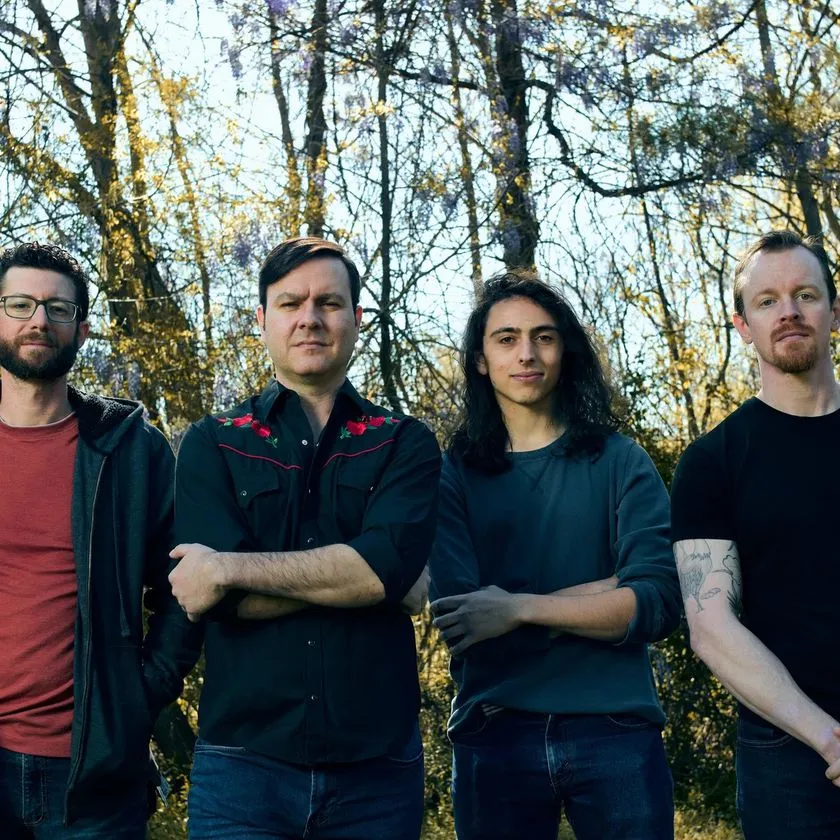
Faithless Town explores the lasting impact of past relationships with its latest single, “You Are the Sea,” an introspective blend of rock, folk, and Americana that reflects on love, memory, the passage of time, and the people who shape our lives. Completing a trilogy that began with “Ghosts of My Hometown” and “Rings of Saturn,” the song pairs heartfelt storytelling with a rich, organic arrangement featuring acoustic guitar, pedal steel, harmonica, piano, and Hammond B3 organ. In this interview, frontman Gene Owens discusses the personal inspiration behind the track, the band’s creative evolution, the talented musicians who brought it to life, and what’s next for Faithless Town.
1. You Are the Sea” explores a formative relationship and how people can remain part of our lives even after we’ve gone our separate ways. What inspired you to write this song, and was there a particular memory or experience that sparked it?
This song completes a trilogy that began with “Ghosts of My Hometown” and “Rings of Saturn,” both featured on our debut album, American Refugee. Like those songs, it was inspired by someone from my past who had a lasting impact on my life. I think the inspiration came from reflecting on how much my life has changed since I knew that person, and imagining what I would say to them today if I had the chance. In many ways, the song is about the passage of time, the distance between who we were and who we’ve become, and how certain people from our past never really leave us.
2. The song moves between memories of youth and the realities of adulthood. How has your perspective on certain relationships and experiences changed as you’ve gotten older?As Cat Stevens once sang, “The first cut is the deepest.” I think there’s something universal about that. Some of the people who come into our lives, particularly when we’re young, leave an imprint on us that never really fades. Even when our paths diverge, we carry a piece of those people with us. As I’ve gotten older, I’ve become more aware of just how much our experiences and relationships shape who we become. You begin to realize that the past isn’t necessarily something you leave behind. Sometimes it becomes part of the fabric of who you are. I think there’s a certain beauty and sadness in that realization.
3. One of the interesting aspects of the song is that it doesn’t simply romanticize the past. It acknowledges both tenderness and distance. Was it important to you to capture those more complicated emotions rather than focus purely on nostalgia?
Absolutely. Life is complicated and messy, and I think art should reflect that. It’s easy to romanticize the past, particularly when we look back on people or experiences that meant a great deal to us. But memory isn’t always that neat or sentimental. There’s tenderness, regret, distance, and sometimes even unresolved feelings. I wanted the song to live somewhere in that space, acknowledging that something can be beautiful and meaningful even if it didn’t last or didn’t turn out the way we imagined.
4. The title, “You Are the Sea,” is evocative and open to interpretation. What does the sea represent to you in the context of the song, and how did you arrive at that title?The sea represents someone who is beyond your ability to hold onto. The sea is immense, constantly moving, and impossible to possess. It comes and goes, but it leaves its mark on everything it touches. When I finished writing the lyrics, it seemed like the obvious choice for the title.
5. The lyrics touch on old habits, people we’ve lost, and the lives we’ve built since certain relationships ended. Do you see songwriting as a way of revisiting the past and making sense of how those experiences have shaped you?
Yeah, I suppose so. Songwriting is a way for me to revisit the past and make sense of the experiences that have shaped who I am. But it’s also a way to pay tribute to the people who meant something to us and are no longer here. In a way, writing about them allows us to keep a little piece of them alive. Life moves on, but the people who’ve touched our lives never really leave us. They become part of our stories, and sometimes a song is the best way I know to honor that.
6. Musically, the track features a beautiful combination of acoustic guitar, harmonica, pedal steel, piano, B3 organ, and baritone guitar. How did you envision the musical arrangement, and how did you decide which instruments would best serve the song?
Not always, but I usually have a pretty good idea of how I want a song to sound once I’ve finished writing it. I’ll usually record a demo on my laptop in GarageBand, program some drums, and start building the arrangement from there. Those demo tracks eventually become the scratch tracks we take into the studio to record the final versions.
With this one, I always knew acoustic guitar and pedal steel were going to be a big part of the sound. The baritone guitar was an idea our guitar player, Mark Weber, brought to the table, and it ended up adding a really nice layer of depth and texture to the track.
7. You are joined by Rya Morse on harmony vocals, Dakota Holden on pedal steel, and several other talented musicians. How did these collaborations come together, and what did each musician bring to the overall sound?
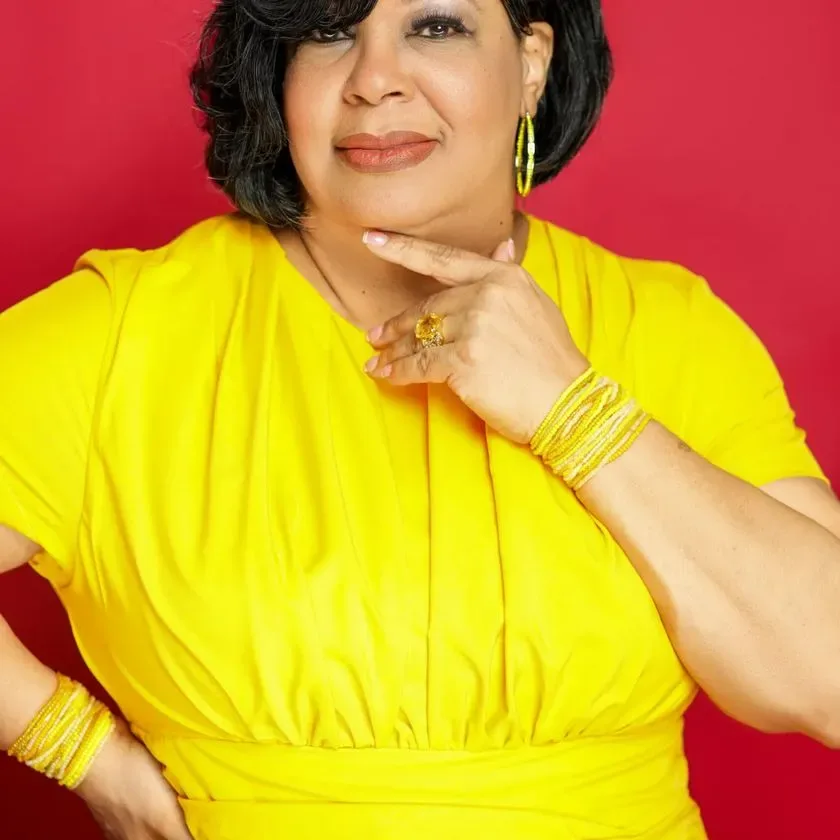
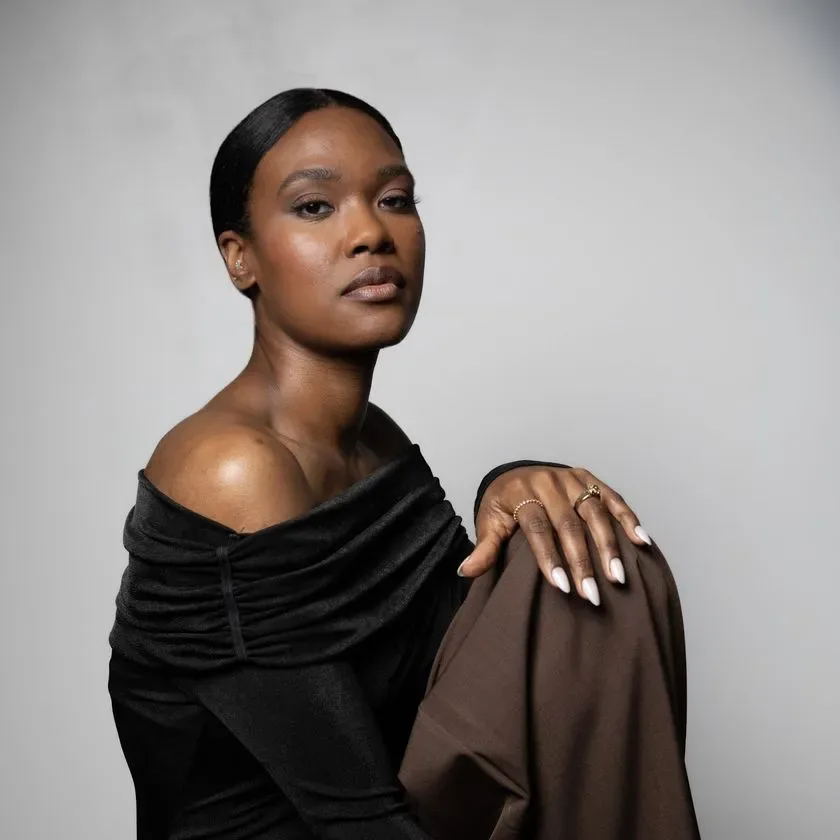
Rya has been singing with us since 2025, and she’s incredible. She brings so much talent and energy to the band, particularly to our live performances. Mark Weber, whom I mentioned earlier, is our guitar player and came up with the great idea of incorporating baritone guitar into the track. I connected with Dakota online, and I think his pedal steel playing really helped make the song something truly special. Jonah Krull, whom I met while playing in Nashville, added some really tasteful piano parts. Mark Brown, who played Hammond B3 organ on the song, was another musician I discovered online. He’s since played on a lot of our material, and he always gives me so many great takes that the hardest part is choosing which ones to use. Darren Dodd is my go-to guy when it comes to recording drums. He’s played on a large portion of the Faithless Town catalog, and his groove and instincts are second to none. Everyone brought something unique to the song, and I think you can really hear that in the finished track.
8. You co-produced the track with Dan Dixon, who also handled the recording and mixing. How did your partnership shape the production, particularly the spacious, organic sound that allows each instrument to breathe?
Dan is one of the most talented people I’ve ever met. He has an incredible ear and gets some amazing sounds at his studio in Atlanta. I’ve been working with him since our debut album, and he’s always been great at helping me bring my vision for a song to life. I knew I wanted this track to have a sense of space, and the real challenge was achieving that without things becoming cluttered with so many different instruments. That’s where Dan’s mixing expertise really shines, giving every instrument room to breathe without competing for space.
9. Faithless Town brings together different musical influences and perspectives. How does “You Are the Sea” reflect the band’s artistic identity, and does it represent a new direction or a continuation of the sound you’ve been developing?
I moved to Nashville last year, and some people have suggested that this song is evidence of Music City rubbing off on me. There may be some truth to that, but I’ve never been particularly interested in being confined to one sound or genre. I think that’s reflected in Faithless Town’s catalog, which has always been pretty eclectic. We’re influenced by everything from rock and roll and folk to Americana and alternative music, and I like the idea of allowing each song to find its own identity rather than trying to fit it into a particular mold.
I see “You Are the Sea” less as a departure and more as an evolution of the sound we’ve been building. There’s a maturity to it, both musically and lyrically, that reflects where I am as a songwriter and where we are as a band. Ultimately, I want us to keep pushing ourselves creatively, exploring different sounds and influences while maintaining the emotional honesty and storytelling that have always been at the heart of what we do.
10. After writing and recording a song that looks back on the people and experiences that have shaped you, do you find yourself approaching life or songwriting differently?I don’t know that it has fundamentally changed the way I approach life or songwriting, because it’s been an ongoing theme in my work for a long time. I’ve always been drawn to writing about the people, places, and experiences that leave a lasting impression on us. I suppose songwriting is one way of making sense of those things, of revisiting them and understanding them a little differently with the passage of time. In that sense, the writing itself becomes a kind of reflection on how we’ve changed, even when the memories haven’t.
And what can listeners expect next from Faithless Town?We actually recorded another song during the sessions that produced “You Are the Sea,” and we’re hoping to release it early next year. It’s a completely different direction sonically. It’s a high-energy power-pop track with jangly guitars inspired by R.E.M. and retro synths. I’m stoked for people to hear that one.