
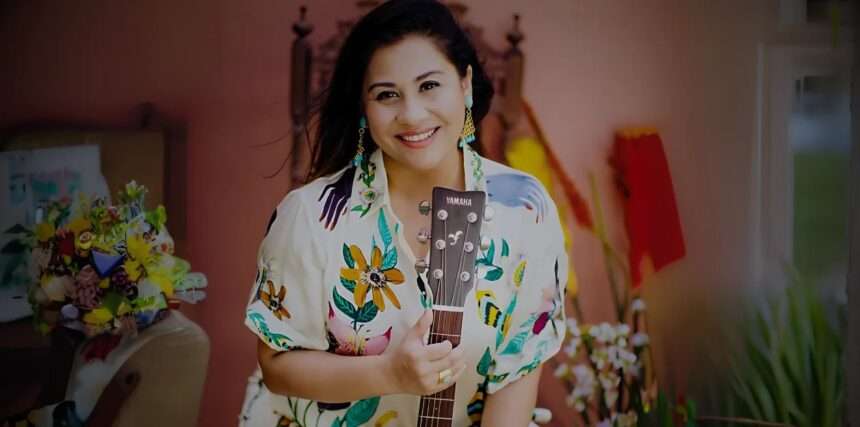
In an era where music often feels confined by genre and formula, Seema Farswani creates something far more fluid and immersive. Her sound does not simply sit within a category; it moves. Across cultures, languages, and emotional landscapes, Seema’s music feels like a journey in motion, shaped by a life lived between worlds.
Raised in Dubai, shaped by her time in the United States, and now based in Singapore, her artistry carries the imprint of each place she has called home. These experiences do not just influence her sound; they define it. There is a sense of duality, transition, and global awareness woven into her music, reflecting both movement and stillness, distance and connection. It is this in-between space that she explores so naturally, where emotion feels most real and unfiltered.
At the heart of Seema’s work is what she describes as an “architecture of emotion.” Drawing from her background in design, she approaches songwriting like building a space, carefully layering melodies, textures, and atmosphere to guide listeners through a feeling rather than just a song. Her music becomes something you step into, not just something you hear.
Blending languages instinctively and shaping sound through cinematic vision, Seema creates music that feels deeply personal yet universally relatable. It is not about fitting in but about creating a world where listeners can pause, reflect, and find pieces of themselves.
As her global presence continues to grow, one thing remains clear: Seema Farswani is not just making music; she is crafting experiences that travel far beyond borders.
For those discovering your music for the first time, how would you describe yourself as an artist and the vision behind your sound?
I’m a multilingual singer-songwriter, composer, and producer creating music that sits at the intersection of cinematic storytelling and global pop.
My sound is shaped by movement across cultures, languages, and emotional landscapes. It’s less about fitting into a genre and more about creating an atmosphere where a story can unfold.
The vision behind my music is to create something immersive and transportive—where listeners don’t just hear a song but feel their way through it and find a part of themselves within it.
You’ve lived in Dubai, the United States, and now Singapore. How have these different cultures shaped your music and identity?
Each place has shaped me in a very distinct way. Dubai gave me a foundation rooted in contrast—where tradition and modernity coexist—and that duality naturally finds its way into how I blend sounds and influences.
Chicago was a turning point. Being surrounded by a diverse set of friends and peers exposed me to a wide spectrum of genres and cultures. It’s also where I intuitively picked up languages and began to understand how deeply music is tied to identity, expression, and storytelling across different worlds.
Singapore is where my journey as an artist truly began. At the time, I didn’t fully realize that everything I had absorbed along the way would eventually come into practice. It’s here that my artistry became more intentional, more refined, and more globally aware.
Looking back, each city didn’t just shape my sound—they shaped my perspective. And today, my music exists somewhere in between all of them.
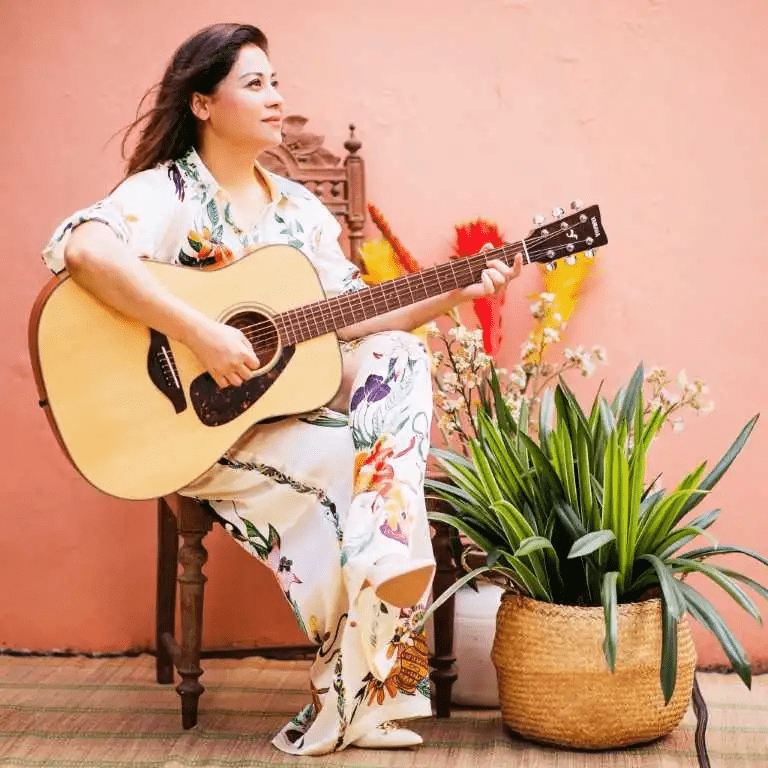
You describe songwriting as an “architecture of emotion.” Can you break down what that means in your creative process?
For me, songwriting is deeply connected to how I think as a designer. It begins with a concept and what I call “bubble diagrams”—mapping out the emotional flow, much like I would when planning a space. That evolves into a brief, which becomes the foundation of the song.
From there, I start building layers—melodies, textures, instruments, and percussions—each element shaping the emotional structure. I think in terms of mood and tonal palettes, constantly refining whether a song needs more warmth, depth, or space.
I’m also very inspired by visuals. Sometimes it’s a lyric, a word, a piece of scenery, or a moment that stays with me—I translate that into an emotional mood board and weave it into the music.
Creating melodies is where the refinement really begins—whether something feels playful, deeply emotional, or more intimate and reflective. I also enjoy moving across genres, much like different styles in design.
I love drawing listeners in, almost like creating a visual pattern. It’s very similar to how I design a floor plan—guiding someone through a space. In the same way, I guide the listener through emotional moments within a song.
So when I say “architecture of emotion,” I mean creating something that’s not just heard but deeply experienced.
Your music blends multiple languages and global influences. How do you decide which language or style best expresses a song’s emotion?
It’s never a calculated decision—it’s instinctive. Certain emotions naturally align with certain languages. Spanish carries a certain warmth and fluidity, Arabic brings depth and soul, and English often gives clarity and structure. I follow the emotion of the song, and the language finds its place within it.
Themes like travel, distance, and connection are central to your work. What draws you to these ideas?
I think it comes from how I’ve lived my life. I’ve always been in motion—across cities, cultures, and different phases of life. Airports, departures, arrivals—they’re not just physical spaces for me; they’re emotional ones.
I’m drawn to what exists in the in-between—the moments of transition, where you’re leaving something behind while stepping into something unknown. That’s where a lot of real emotion lives.
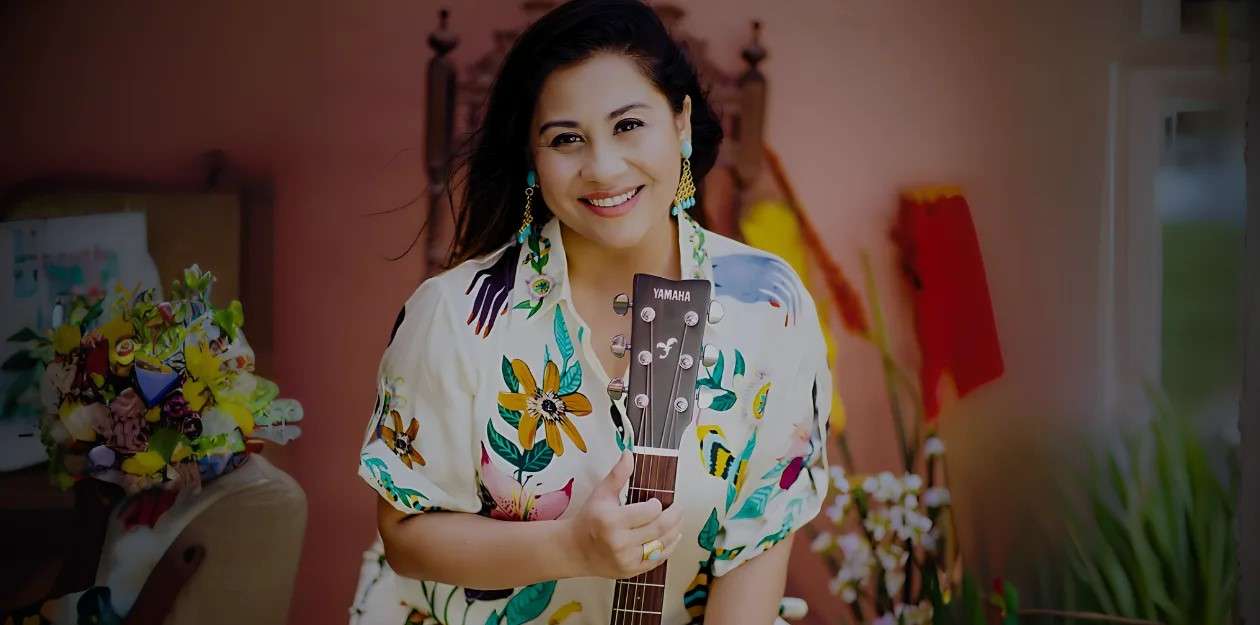
As both an interior designer and musician, how does your design background influence your approach to music creation?
Design has shaped the way I think about experience. In interiors, you’re not just creating something that looks good—you’re shaping how someone feels when they move through a space. I approach music in the same way.
I think in layers, textures, and flow—but also in energy. Where does a song open up? Where does it hold back? Where does it breathe?
Even silence plays a role—like negative space in design. For me, music isn’t just composition—it’s spatial. It’s about creating an environment the listener can step into and feel something within.
Your projects often feel cinematic and immersive. Do you think visually when creating music?
Very much so! Most of my songs begin with a visual or an atmosphere—almost like a scene unfolding. I often see colors, movement, or even a sequence of moments before the music fully takes shape.
That’s why my work leans cinematic—because I’m not just building a song, I’m building a world around it.
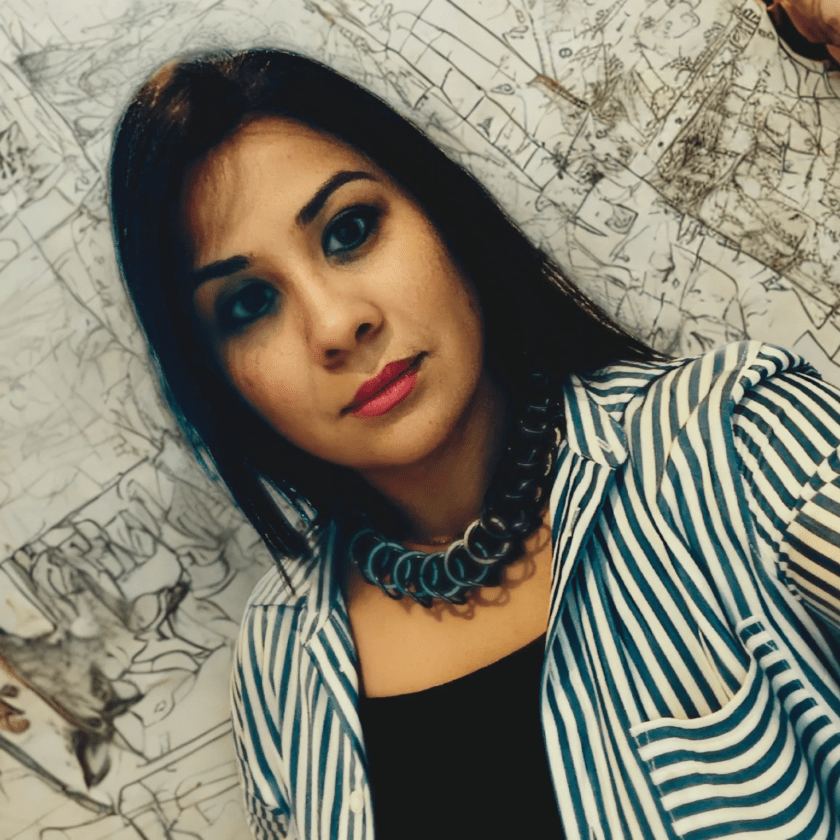
As an independent artist gaining international radio support, what has that journey been like for you so far?
It’s been a very meaningful and rewarding journey so far. As an independent artist, you’re learning and building as you go, so every bit of support feels significant. I’ve been really grateful to the curators and radio platforms who have shown love to my music and to listeners who have taken the time to reach out personally and share that they connect with the vibe.
Those moments matter a lot to me. They remind me to stay grounded, keep learning, and continue creating music that feels honest.
You move across genres like electro-pop, blues, and world music. Is that a conscious choice or something that happens naturally?
It happens very naturally. I don’t approach music thinking about genre—I follow the story and the emotion, and the sound evolves from there. My influences are quite diverse, so it naturally reflects in the music. I see genres as tools rather than boundaries.
Looking ahead, what new directions or ideas are you most excited to explore in your music?
I’m excited to continue expanding the cinematic and global aspects of my sound—bringing in more cultural textures, deeper storytelling, and more immersive sonic landscapes.
At the same time, I’m focused on evolving as a producer and artist—refining my voice while still allowing space to experiment.
For me, it’s about continuing to evolve while staying true to the emotion that drives everything I create.

Connect With Seema Farswani