
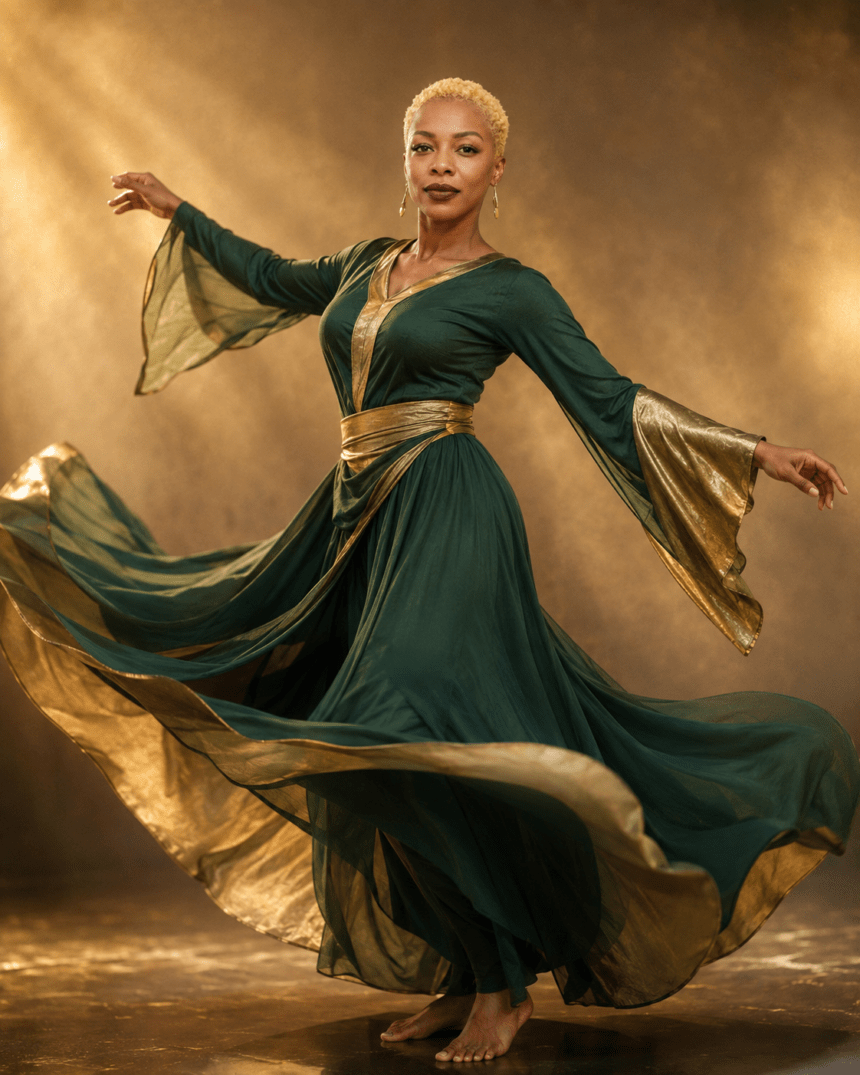
Keesha Blair’s music begins with a simple idea, but it rarely stays simple for long. Her songwriting turns personal reflection into a wider conversation about identity, healing, truth, self trust and the things we carry from one generation to another. At the Centre of that approach is a belief that music can do more than entertain. It can create a moment of recognition, giving listeners space to confront something within themselves and perhaps see it differently.
That perspective comes through strongly in “The Inheritance,” a song that grew from Blair’s gratitude for the lessons, sacrifices, creativity, wisdom and resilience passed down to her by her mother and grandmother. What begins as a deeply personal reflection gradually opens into something much larger. For Blair, inheritance is not simply about money or possessions. It is also about the values, emotional strength, compassion and knowledge that one generation leaves inside another. Her idea that “we all add to the pot” turns the song into a reflection on shared responsibility, reminding us that every person is both a receiver and a contributor to the larger human story.
This message-first approach is central to Blair’s work through Divine Purpose Music. Rather than writing immediately from an emotional experience, she often creates after processing what happened and understanding the meaning beneath it. Her goal is not to tell listeners what to think, but to create a space where they can hear their own truth more clearly. Whether she is exploring grief, boundaries, self respect, freedom, love or healing, the personal experience becomes an opening for something universal.
Blair also approaches music from a broader creative position as a songwriter, music creator and custom music director. Sometimes a title arrives before she fully understands the song, allowing the meaning to reveal itself during the creative process. From there, she shapes the writing, musical direction, vocal character, pacing and visual world around the central idea.
Her use of AI assisted production and vocal generation adds another interesting dimension to that process. Blair sees technology as a creative instrument that has expanded what she can bring into audible form, while remaining clear that the technology should serve the message rather than become the identity of the music. “Technology helps me deliver the message. It is not the message,” she explains.
Ultimately, Blair’s work is about returning to the self. Her songs encourage listeners to question inherited expectations, listen inwardly and develop the confidence to choose what genuinely feels true to them. As she continues building the world of Divine Purpose Music, the conversation remains rooted in honesty, healing and personal authority.
In this interview with Spinex Music, Keesha Blair opens up about the women who shaped her, the deeper meaning behind “The Inheritance,” her message-first creative process, the role of technology in her music and the larger purpose behind creating work that encourages people to tell themselves the truth.
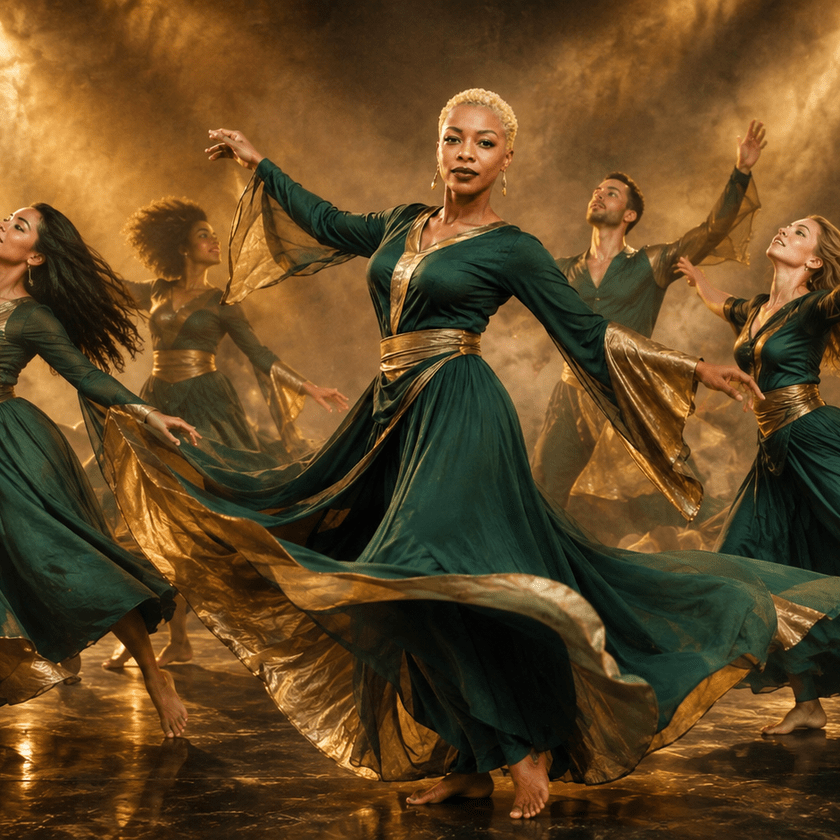
“The Inheritance” begins with your mother and grandmother but ultimately becomes a much larger reflection on what human beings pass from one generation to another. What did those two women teach you about love, strength or resilience that you realised needed to be preserved through this song?
The Inheritance really began with gratitude. I was reflecting on how much I received from my mother and grandmother that had nothing to do with money. They taught me about love, resilience, wisdom, creativity, sacrifice, and the strength to keep giving what you can, even when what you have to give may not be financial.
I also thought about how deeply many parents and elders want to leave financial security for their children, and how easy it can be to feel they somehow fell short if they could not. I wanted to preserve the truth that a life can leave enormous wealth through what it teaches, nurtures, models, and passes forward.
That reflection eventually grew beyond my own family into the idea of the universal family tree. Every leaf is a legacy, and we are all receiving from and contributing to something much larger than ourselves.
The idea that “we all add to the pot” gives the song a powerful sense of shared responsibility. How do you think about the balance between what we inherit from those who came before us and what we are personally responsible for contributing to the generations that follow?
I see inheritance as both receiving and contributing. We arrive in a world that already contains knowledge, creativity, traditions, discoveries, healing, pain, progress, and lessons created by people who were here before us. We inherit benefits that often go unnoticed or unappreciated.
Then, simply by living, we begin adding something ourselves.
That is what “we all add to the pot” means to me. Our contribution does not have to be famous, enormous, or even something we fully recognize while we are alive. It may be wisdom shared with one person, something created, a cycle healed, compassion offered, a child encouraged, an idea introduced, or a way of living that inspires someone else to live more freely.
I also think human beings sometimes need to be reminded that every life carries value and serves a purpose. There are moments when someone may feel that their life has meant very little, while others are already benefiting from their presence, their choices, their kindness, their strength, or something they have shared, often without them ever knowing it.
We receive from the collective inheritance, and we contribute to it. Something we add today may eventually become part of what someone else receives.
Legacy is often associated with achievements, possessions or public recognition, yet “The Inheritance” focuses on things such as compassion, wisdom, love and emotional strength. Why did you feel those less tangible forms of inheritance were more important to explore?
Because some of the richest things we inherit cannot be counted.
Achievements and possessions can be meaningful, but they do not fully capture what one life can leave inside another person. Love can shape how someone learns to love. Wisdom can influence choices years later. Resilience can become something another person draws from during their own difficult season.
Those forms of inheritance interest me because they become part of who we are. They can shape our character, relationships, beliefs, and the way we move through the world long after the original moment has passed.
That is what I mean by, “Some riches can’t be counted.” Some of the most valuable things we receive are carried within us rather than owned by us.
Your work through Divine Purpose Music centres on healing, empowerment, boundaries, truth and emotional restoration. How does songwriting function differently for you when the primary goal is not simply entertainment, but helping someone process something happening inside themselves?
I describe Divine Purpose Music as message-first because I usually begin with something I want to understand, express, or invite someone else to consider.
My songs do not usually come from the moment I am struck by an experience. They come from what I understand after I have processed the impact. By the time something becomes a song, I am usually looking at the meaning underneath the experience.
That changes how I approach songwriting. I am less interested in telling listeners what to think and more interested in creating a space where they can hear themselves. A song can become a private conversation someone has with their own truth.
If a listener hears one of my songs and recognizes something inside themselves more clearly, whether that is a boundary, grief, self-trust, freedom, love, or a truth they are ready to acknowledge, then the music has done something meaningful.
You describe yourself as a songwriter, music creator and custom music director, with your role extending across concept, message and creative direction. How do you know when an idea has enough emotional or spiritual weight to become a complete song?
Sometimes I receive the title before I fully understand the song.
The Inheritance happened that way. The title came first, while I was reflecting on what my mother and grandmother had given me. At that point, I had not yet connected those reflections to the larger idea of inheritance. As I stayed with it, the meaning began to reveal itself.
Other songs may begin with an observation, a realization, or something I find myself examining from several directions. I start paying closer attention when I realize there are layers underneath the original thought.
For me, a song needs more than a subject. It needs something worth exploring. I usually know there is a song when an idea begins revealing something about how we live, heal, choose, love, protect ourselves, or understand ourselves. That is when something personal can open into something universal.
Once I understand the message, I begin making creative decisions around it: the writing, musical direction, vocal character, pacing, emotional tone, and eventually the visual world around the song. Everything is there to serve the central idea.
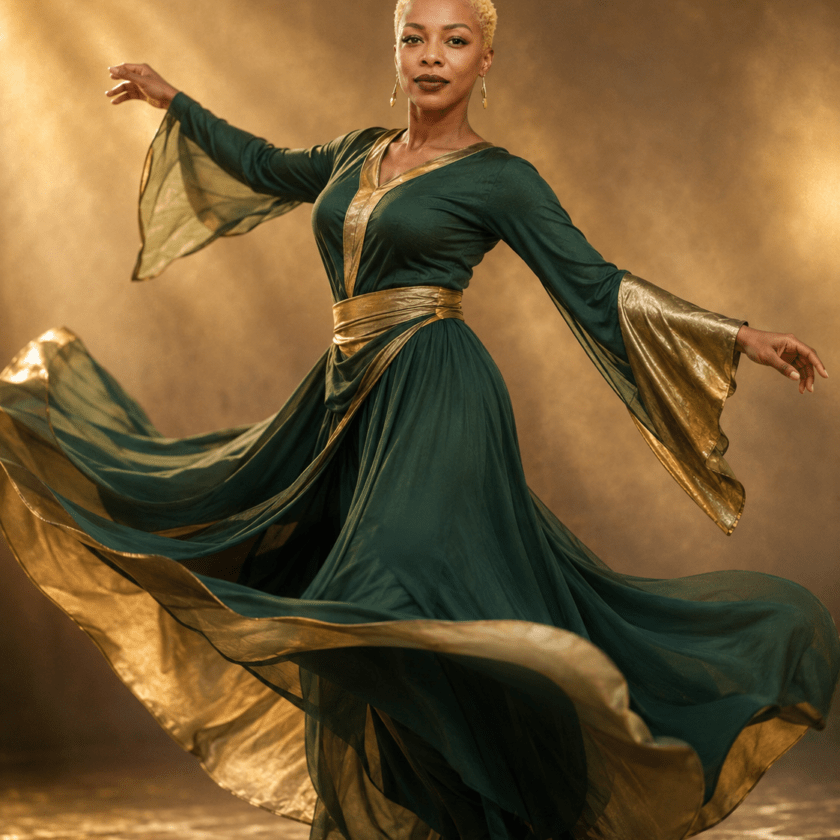
“The Inheritance” asks listeners to consider what they have received and what they will leave behind for people they may never meet. Has creating the song changed the way you personally think about your own legacy and the kind of impact you want your work to have?
It expanded my understanding of legacy.
I think I once viewed legacy more narrowly, as something connected to what a person deliberately leaves behind. The Inheritance made me think more deeply about how much of our impact can happen beyond our awareness.
There are people whose ideas, courage, creativity, or choices have affected my life who never knew I would exist. In the same way, something I create today may continue reaching people in ways I will never fully know.
I have also had supporters share with me that the music has affected them personally, and I consider that an honor. Those moments remind me that without someone choosing to tell me, I might never know what a song became in their life.
That has made me think differently about my own legacy. I want Divine Purpose Music to leave something useful behind: clarity, self-trust, peace, courage, or simply a thought that helps someone understand themselves differently. Knowing that some of that impact may remain unseen makes the work feel even more meaningful to me.
Much of your creative work deals with returning to your own voice, clarity and peace. In a world where people are constantly influenced by social media, outside expectations and other people’s definitions of success, what does genuinely finding your own voice mean to you?
For me, finding my own voice means becoming clear enough internally to recognize what is actually mine.
We absorb so many ideas about what success should look like, how relationships should work, what spirituality should mean, what an artist should be, what adulthood should look like, and even what happiness is supposed to feel like. Some of those ideas may fit us beautifully, while others may simply be inherited expectations.
I joyfully challenge traditions and conditioning when they stop feeling aligned with what I understand to be true for me.
Finding my voice has involved self-honesty, questioning, listening inwardly, and giving myself permission to choose differently. Self-authority is an important part of that. I can appreciate another person’s path without needing to inherit it as my own.
To me, having your own voice does not mean shutting out the world. It means being able to hear the world while remaining grounded in what is true for you.
You use AI-assisted music production and vocal generation as part of bringing your ideas to life. What attracted you to incorporating these tools into such deeply personal, message-driven work, and how do you make sure the technology remains a vehicle for your artistic intention rather than becoming the identity of the music itself?
AI expanded what I was able to create.
I am a songwriter, music creator, and creative director rather than a traditional performing vocalist, so these tools gave me another way to bring the music I was hearing and imagining into an audible form.
What matters to me is that the technology remains in service to the creative intention. I begin with the message. I write the lyrics, determine the concept and emotional direction, shape the musical identity, make creative choices around the vocals and production, and direct the larger presentation of the work. The AI-generated voice is a creative instrument within that process.
I am also transparent about using AI because I respect people’s right to know how the work was created, especially because there are strong feelings and concerns surrounding its use. I respect that people will make their own choices about what they want to engage with.
At the same time, I do not want the technology to become more important than the work itself. The question I ultimately care about is the same one I would ask of any creative medium: What does this song communicate, and what does someone experience when they hear it?
Technology helps me deliver the message. It is not the message.
Because your songs begin with a message, does the music ever challenge or change the meaning you initially intended? Have you experienced moments where a melody, production choice or vocal performance revealed an emotional interpretation that was not present when you first wrote the concept?
The core of the message usually does not change, but it can expand.
I generally understand the central meaning before I begin shaping the music around it. The melody, production, and vocal interpretation can sometimes reveal emotional dimensions of that message more clearly, but they do not usually redirect its meaning. They can help me hear or feel something within the original idea that I had not fully recognized yet.
Truth Always Shows Its Face and Healing Waters both revealed more to me after they were completed, while The Inheritance continued expanding as I was writing it.
For me, the creative process is about allowing the message to reveal more of itself. Something I understood one way at the beginning may become more emotionally layered once I hear the full song.
The message remains the foundation, while the music helps me experience its depth more fully. Sometimes I finish a song understanding the original idea more deeply than I did when I began.
Looking beyond “The Inheritance,” what do you feel is the larger purpose of Divine Purpose Music? As you continue creating songs around healing, truth, empowerment and restoration, what is the deeper conversation with listeners that you hope your body of work will ultimately leave behind?
The larger purpose of Divine Purpose Music is to create work rooted in truth that can ultimately support people in returning to themselves.
The songs begin with me. I write from a place of honesty within myself, usually after I have processed something deeply enough to understand what it means to me. I am not initially writing toward someone else’s experience or trying to create a lesson for anyone else. I am expressing something I have come to understand within myself.
Once the music is released, though, it becomes available for others to meet it through their own experiences. That is where the support can happen. Someone may hear a song and recognize a feeling, a truth, a boundary, or a part of themselves more clearly.
Across different songs, I explore truth, grief, boundaries, self-respect, love, freedom, healing, peace, personal authority, and the courage to question what we have been taught. The subjects change, but underneath them is a continuing invitation toward greater self-honesty.
I want the music to create room for people to examine their own lives and arrive at their own understanding. Sometimes healing is recognizing a truth. Sometimes it is setting a boundary, grieving, releasing an expectation, or realizing that another person’s certainty does not have to become your path. Sometimes it is simply allowing yourself to experience peace.
If there is one deeper conversation I hope the body of work leaves behind, it is this: listen inwardly, tell ourselves the truth, honor what we find there, and give ourselves permission to live from it.
CONNECT: