

After 25 years of making music, Seth David Branitz knows that some stories become more meaningful with time. The New York City anti-folk veteran returns to the spotlight with “Nitelite,” his first standalone single following a career that has produced five full-length albums and established him as a thoughtful voice within the roots and singer-songwriter tradition.
There is a sense of lived experience running through “Nitelite.” This is not a song that treats love as something simple or untouched by time. Instead, Branitz looks at the complicated reality of a long-term relationship, where two people can grow, change, struggle and sometimes lose sight of each other while still choosing to remain connected.
That emotional honesty gives the song its strength.
Produced by Jack Petrocelli, known for his work with The Fab Faux, “Nitelite” brings together an impressive group of studio musicians from New York’s Hudson Valley. Their contributions give the recording a rich acoustic foundation without taking away from the intimacy at its centre.
The arrangement is particularly effective because it knows when to step forward and when to leave space. Detailed string work adds colour and emotional tension, while the acoustic instrumentation gives the song a warm, natural character. There is no sense of the production trying to overwhelm the writing. Instead, the musicians create a setting where Branitz’s storytelling can breathe.
The song’s emotional weight comes from its willingness to sit inside uncertainty. Long-term partnership can bring difficult questions that do not always have clear answers. What happens when familiarity becomes complicated? How do two people continue when life has changed the relationship they once knew? “Nitelite” does not pretend those questions are easy.
What makes the song especially moving is that it does not turn that uncertainty into defeat.
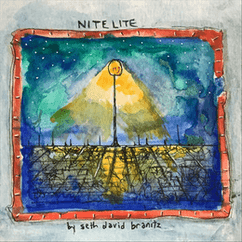
The music continues to move with a gentle confidence, with instrumental crescendos and melodic changes gradually lifting the emotional pressure. When the chorus arrives, its recurring image of leaving the “nitelite” on becomes more than a lyrical detail. It feels like a small promise between two people who may not know exactly what comes next, but are still willing to try.