
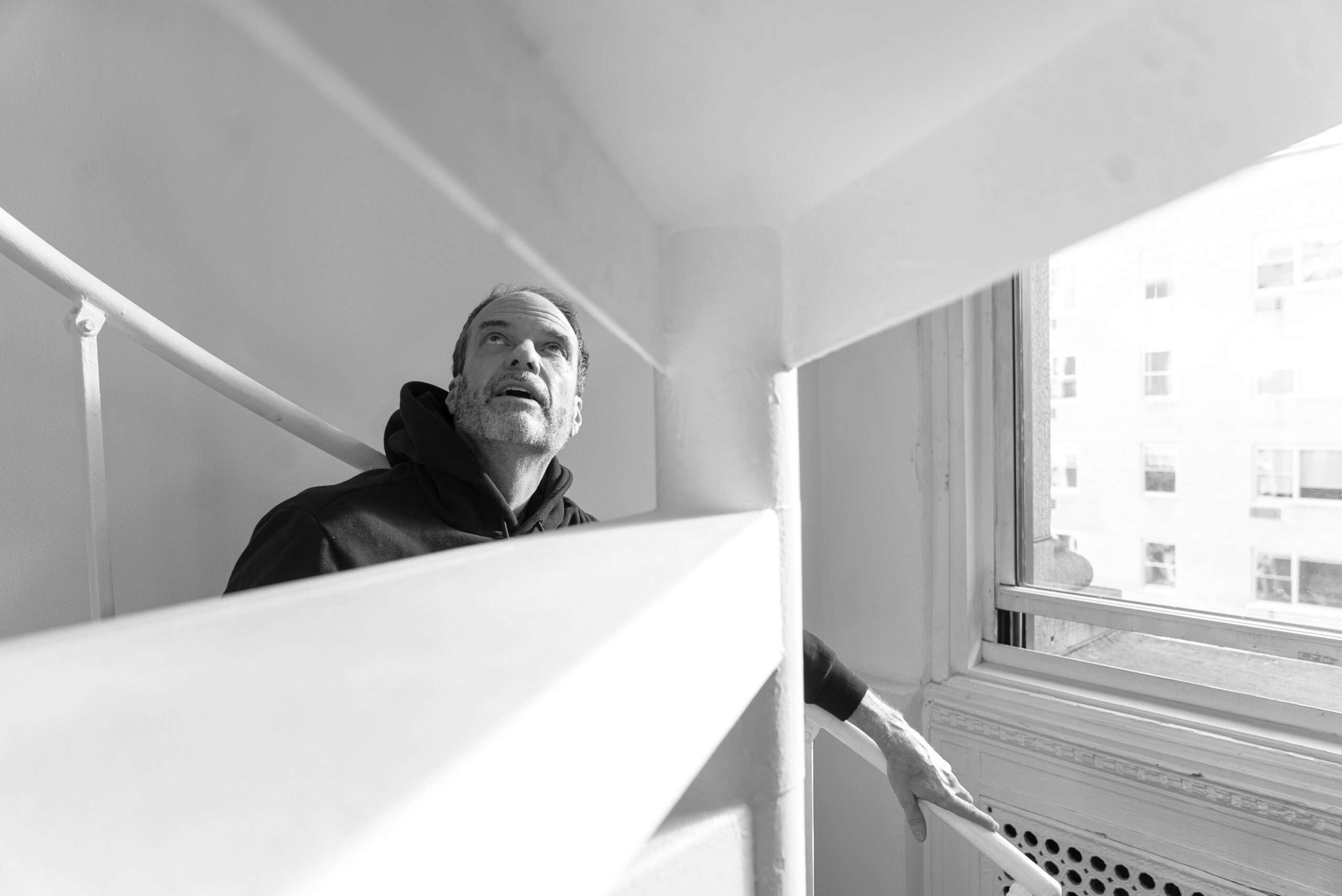
After more than a decade away from releasing a full-length record, Block returns with Love Crash, a deeply personal and emotionally charged album that feels both reflective and refreshingly alive. Known for his distinctive voice in the anti-folk and indie world, his work has always carried a sense of raw honesty, shaped by literature, countercultural influences, and a refusal to fit neatly into any single sound or category.
In this conversation, he opens up about the long silence between records, the emotional weight that ultimately pulled him back into songwriting, and the collaborative spirit that helped bring Love Crash to life. From heartbreak and humor to creative survival and second chances, Block reflects on a journey that feels less like a comeback and more like a continuation of something deeply human.
What follows is an intimate look into the mind of an artist who never stopped observing, writing, and finding meaning in the cracks of everyday life.
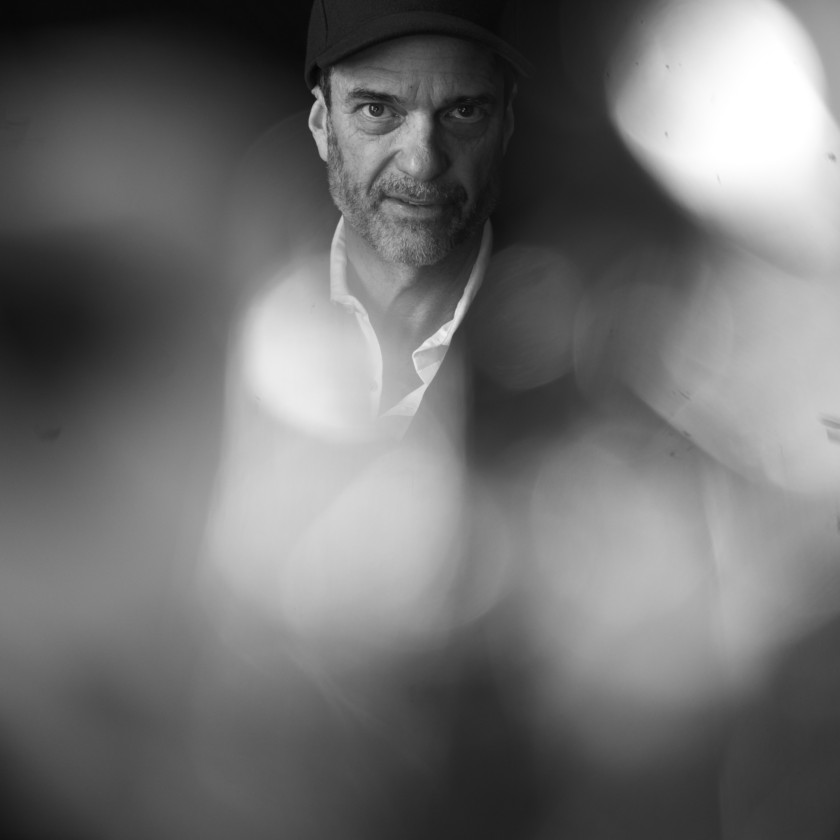
For readers who may be discovering your work for the first time, how would you describe your artistic journey and the experiences that have shaped your voice over the years?
That’s a great question. What shaped my voice? Anti-folk heroes Roger Manning and Paleface, hard-core rap from the 80s (specifically Rakim), and guys like Lou Reed and Allen Ginsberg. I never studied music or composing in a traditional academic setting. But I was an English literature major, which I suppose informs my sensibility.
After thirteen years without a new full-length release, what made Love Crash the right record to mark your return, and why now?
I would say that it was the emotional place I found myself in that demanded the writing of this record. I was in a particularly cracked-open place with a relationship ending (you think these sorts of things will get easier when you get older, but they don’t! ) – lonely and scared. Pen went to pad quite naturally at that point. It’s always been a refuge for me. The attempt to externalize emotional dislocation.
Your music has always carried a distinctive sense of honesty and individuality. How would you say your perspective as a songwriter has evolved since your earliest work?
I love listening to the old stuff. I’m very proud of it. I did spend a couple years in my early 20’s really messing around with all sorts of different styles and and songwriting. Lots and lots of songs. Most of them didn’t make the first album. And I’m grateful for that..! I was trying to figure out something I could call my own voice…
You described writing these songs during a very dark period, saying each one became “a rung of a ladder” that helped pull you through. How difficult was it to revisit those emotions while shaping this album?
I wasn’t revisiting them. They were in real time. It’s as if I had found myself in a deep mine of heartbreak and melancholy, andwriting songs about what was actually going on was super helpful. I had a sense at the time that I was being given a certain window into adapting the feeling, a certain window that wouldn’t always be open this wide. I wanted to take advantage of it.
The music industry has transformed dramatically since your early years. How have you stayed creatively grounded while adapting to those changes?
It’s changed a lot and it’s also exactly the same! I really lean heavily on my label Meridian / ECR Music Group and label president Blake Morgan to take care of things like that so I can keep my mind free to write and play. I’m very grateful for that collaboration.
Love Crash explores heartbreak and loss, but there is also warmth and resilience throughout the record. How intentional was that emotional balance when putting the album together?
I’m not sure if I was intentional about the balance. I am personally allergic to self-pity and morbid reflection. So the humor that is marbled into these heartbreak songs is something I prefer. Not only in the things I write, but also the things I listen to.
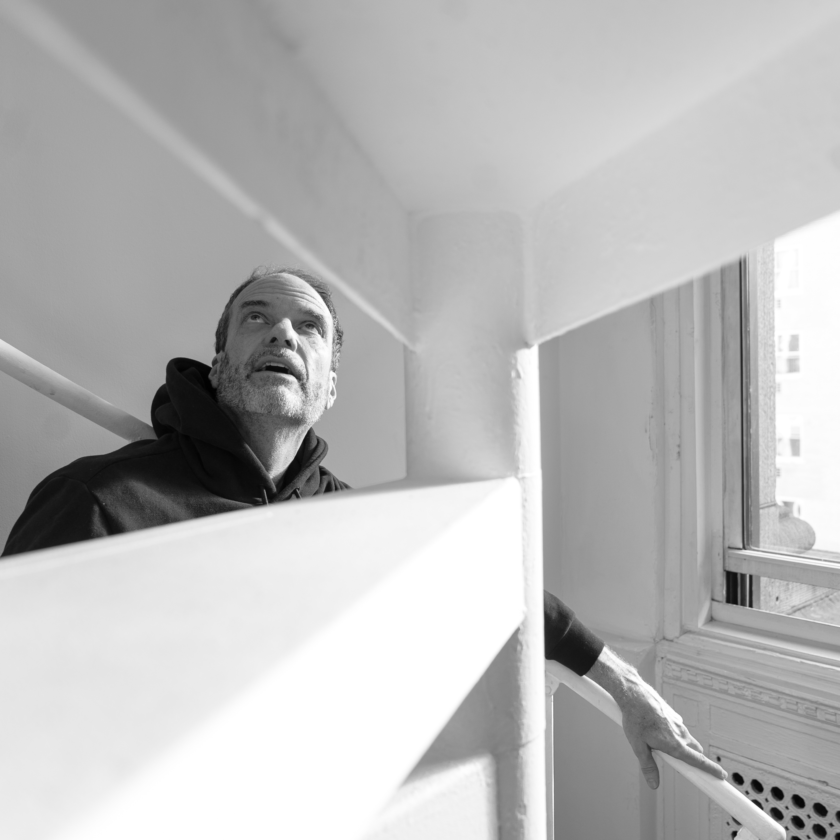
Having influenced so many artists across indie and anti-folk, what does artistic legacy mean to you at this stage of your career?
I suppose the pat answer is “I don’t think much about my legacy” -and the truth is that I really don’t. But I do find it very gratifying when another artist mentions they really liked something – or were moved to stretch their own work as a result of something I did. That’s cool!
Working with Chris Kuffner and Blake Morgan brought together an impressive creative team. What did those collaborations unlock in this record that may not have happened otherwise?
These two guys were perfect. Like two book ends holding the stack together. Chris and I tossed all sorts of great ideas in musical parts into the air and Blake Morgan caught everything and put it into a presentable form. I have to say it wasn’t planned though. These are the sorts of things that serendipitously happen when you’re making a record.
What continues to inspire you to create after all these years, and what keeps songwriting feeling necessary for you?
Someone holding the door on the subway. The beauty of a rainbow in an oily puddle on the avenue, my love Sarah, there’s beauty everywhere. Everywhere. Everywhere. Magic and loss.
With major critical praise, editorial support from Apple Music, and a national tour now underway, what does this comeback moment represent for you both professionally and personally?
It’s beyond my wildest dreams, frankly! The challenge is “keeping it in the day” – no one can know the future – it represents that sometimes life, really does, give you a second chance.