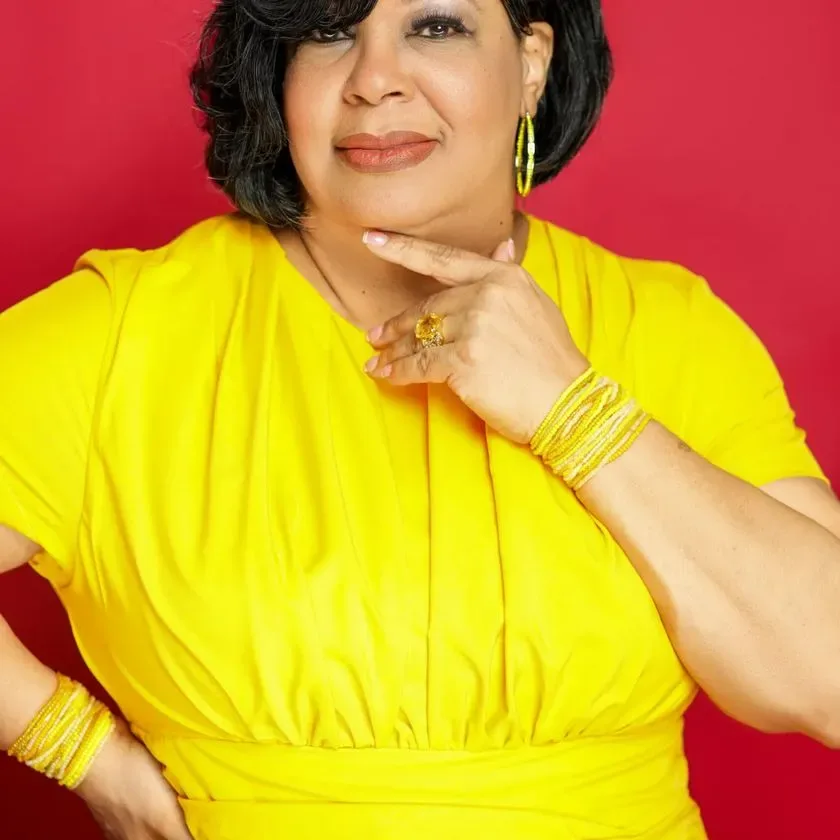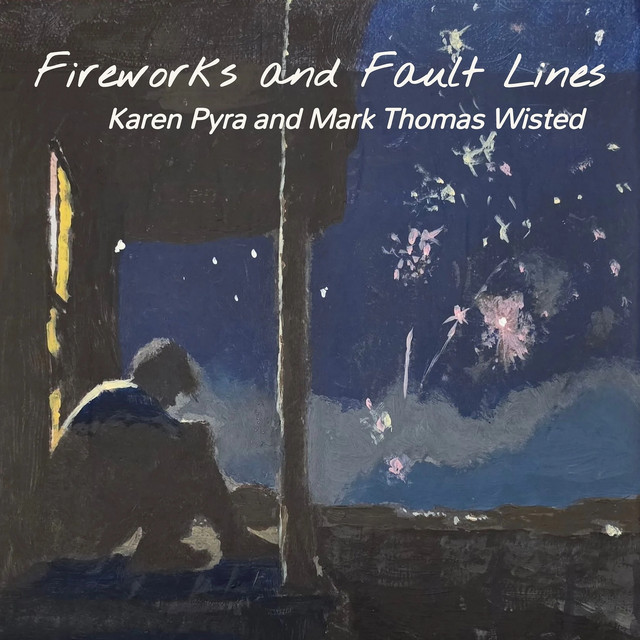
Karen Pyra has built her songwriting around the stories people do not always feel comfortable telling. Whether exploring identity, loneliness, ageing or the pressures of societal expectations, she has never been particularly interested in restricting her music to easy or predictable subjects. As one half of the creative duo Aging Disgracefully, she has experienced the value of honest storytelling and the connection it can create with listeners. On “Fireworks and Fault Lines,” she joins fellow seasoned East Coast musician Mark Wisted for a collaboration that turns an everyday New Year’s Eve celebration into a deeper reflection on empathy, trauma and the importance of understanding one another.
For many people, New Year’s Eve is a night of celebration, fresh beginnings and hopeful promises. But behind the fireworks, countdowns and cheerful messages, there are people quietly navigating anxiety, grief, loneliness and painful memories. Through this thoughtful release, Pyra and Wisted bring those often-overlooked experiences into focus, asking an important question: how much do we really consider the people around us when celebrating?
The inspiration came from an incident Karen witnessed on social media. A man had politely asked his community to limit fireworks to a specific period on New Year’s Eve so he could better support his two dogs, who were frightened by the loud noises. His request also resonated with people living with PTSD, who explained how fireworks could affect their mental health. What followed, however, was a wave of hostility from those who felt their freedom to celebrate was being challenged. The lack of understanding and empathy struck Karen deeply, prompting her to write the song the following day.
Rather than simply questioning the use of fireworks, “Fireworks and Fault Lines” looks beneath the familiar celebrations to examine the contradictions between the kindness people express during the holidays and the consideration they sometimes fail to show in their actions. It also challenges the pressure surrounding the arrival of a new year, when everyone seems expected to be happy, optimistic and ready to reinvent themselves. For those dealing with difficult circumstances, that expectation can make an already challenging period feel even more isolating.
Karen approaches the subject with the sensitivity of a songwriter more interested in honest conversations than easy answers. Her intention is not to speak for everyone experiencing trauma or emotional difficulty, but to create a space where listeners can recognise parts of their own experiences without feeling judged. As she explains, representation in songwriting is about telling the truth carefully enough for people to find themselves in it.
The collaboration with Mark Wisted brings another dimension to that vision. The two musicians found common ground in their shared commitment to songwriting and emotional connection. While Karen brought the original concept and its emotional foundation, Mark contributed his musicianship, perspective and instinct for serving the song. Producer Darrel Cameron also helped shape the final recording, bringing their individual contributions together into a fuller musical statement.
For Karen, the ability to combine meaningful storytelling with memorable music is just as important as the message itself. She believes a song should move people rather than feel like a speech, allowing listeners to connect through its melody while gradually discovering the ideas beneath the surface. That approach has also shaped her work with Aging Disgracefully, a creative partnership she credits with making her a stronger songwriter while giving her the freedom to explore personal material independently.
The response to “Fireworks and Fault Lines” has already been meaningful, particularly from listeners who have recognised their own feelings in the song. For Karen, hearing people say they thought they were the only ones who felt that way has been among the most rewarding reactions.
With “Fireworks and Fault Lines,” Karen Pyra and Mark Wisted offer more than a seasonal observation. They invite listeners to look beyond the celebrations, reconsider what empathy means and remember that not everyone experiences the same moment in the same way. It is a timely reminder that sometimes the most meaningful way to welcome a new beginning is to show a little more understanding towards the people sharing it with us.
What first inspired you to write “Fireworks and Fault Lines,” and how did discussions around fireworks and trauma lead you to explore the deeper message behind the song?
Last New year’s eve I saw a post on social media from a man who politely and respectfully asked the people in his community if they could launch fireworks between 11am and 1pm, knowing it would be easier for him to support his two dogs who are terrified by loud noises if he knew it was a controlled period of loud noises. He got some immediate replies from a few people agreeing that as people with PTSD, they too would find this helpful because fireworks are hard on their mental health. And then the hate started. So many negative comments saying this guy was just trying to ruin new years eve fun, and they have a right do whatever they want on their own property and because of this post they plan to set off fire works all night. I was just so angry at the complete lack of empathy and the incredible hypocrisy of the whole New Years Eve schtick. And the next day, this song was born.
New Year’s celebrations are often associated with happiness, fresh beginnings and hope. Why did you feel it was important to highlight the experiences of people who may find this period difficult?
I actually think the hype about new year’s eve is more about telling people that they need to change, that they are not good enough they way they are, and that we need to make these things called “resolutions” that people make and break every year because they were pressured to make a promise to better themselves that isn’t really about who they are at all. So many people experience difficult feelings at this time of year amidst incredible pressure to show how happy we all are. I want those people to feel seen and know they are not alone.
The song questions whether the kindness and peace we express during the holidays are reflected in our actions throughout the year. Was there a particular experience or observation that made you want to explore this contrast?
My answer to question 1 covers that I think.
Representation is an important part of your songwriting, especially for listeners who rarely see their struggles reflected in music. How do you approach writing about sensitive subjects while making sure the people behind those experiences feel seen and understood?
I think representation in songwriting isn’t about having all the answers. It’s about telling the truth carefully enough that people can find themselves in it. The stories that stay with us are often the ones that make us feel understood. With Fireworks and Fault Lines, I wanted to acknowledge that not everyone is celebrating when the clock strikes midnight. For some people, it’s a night that magnifies loss, isolation, pain or uncertainty. Giving voice to those experiences felt important because they deserve to exist in our cultural conversation too.
My goal is never to try and speak for anyone else, but to create space where listeners might recognize themselves. I try to focus on emotional truth rather than stereotypes or assumptions. If someone hears the song and feels less alone, or feels that a part of their experience has been acknowledged without judgment, then I’ve done my job as a songwriter.
Your music is known for combining soulful, roots-inspired sounds with emotional honesty and memorable melodies. How do you balance meaningful storytelling with creating songs that listeners can connect with musically?
So many people are carrying stories that don’t often get talked about openly. I may be the only person I know who’s recorded a song about being a ‘post-menopausal babe,’ LOL, I ‘ve never been particularly interested in writing only about safe topics. Whether it’s aging, loneliness, identity, or the expectations we place on ourselves, I think songwriting can give people permission to recognize parts of themselves they don’t often hear reflected back to them .As a songwriter, I feel a responsibility to shine a light on things society often looks away from.
At the same time, music has to move people. My job isn’t to make a speech; it’s to tell a story people can feel. Sometimes listeners come for the melody and stay for the message. Sometimes it’s the other way around. Either is fine with me. What matters is that they leave feeling something was understood, acknowledged, or shared.
This release brings you together with Mark Wisted, another seasoned East Coast musician. How did the collaboration come about, and what did each of you bring to the creative process?
Working with Mark felt very natural. We both care deeply about the craft of songwriting and about connecting with listeners. I think our strengths complemented each other. Mark brought his own perspective, incredible musicianship, and instinct for serving the song; I brought the original concept and emotional core. What made the collaboration work so well was that we were both focused on the same question: how do we tell this story in a way that feels honest and relatable. The finished recording feels bigger than either of us could have created alone, and of course, working with producer Darrel Cameron helped us elevate it even further.
You are also known for your work as one half of Aging Disgracefully. How has being part of a successful duo shaped your development as a songwriter, and what do you enjoy most about working on your own material?
Aging Disgracefully has been an incredible creative partnership. The response Aging Disgracefully has received has been incredibly rewarding, and it’s confirmed for me how much audiences connect with honest storytelling. Working as a duo has taught me how valuable collaboration can be, especially when someone helps you see possibilities you might have missed in a song. It has definitely made me a stronger songwriter. At the same time, writing my own material gives me room to follow a story or emotion wherever it leads. There’s a different kind of vulnerability in that. I enjoy both experiences.
When writing a song that addresses an issue affecting people in different ways, how do you decide which details to include and how to communicate the message without making the music feel like a lecture?
I try to start with a human experience rather than an argument. Most people aren’t looking to be told what to think when they listen to music; they’re looking to feel understood, or to reflect. So I focus on moments, images, and emotions that people can recognize in their own lives. If a listener comes away asking a question or seeing something from a different perspective, that’s much more powerful than simply delivering a message. Songs create conversations. They don’t have to win debates.
What kind of response have you received to “Fireworks and Fault Lines” so far, particularly from listeners who relate to its message, and has anyone’s reaction changed how you view the song?
The responses that have meant the most to me are from people who have said, ‘I thought I was the only one who felt that way.’ New Year’s Eve is often portrayed as a night of celebration and optimism, but for some people it can be a difficult reminder of loneliness, grief, anxiety, or expectations they feel they’re not meeting. Music can create connection by acknowledging experiences that often go unspoken.
As you continue your journey as a singer-songwriter, are there other social or personal subjects you hope to explore through your music, and what can listeners look forward to from you and Mark Wisted next?
I’ve always been interested in writing about the things we don’t talk about enough. The moments of self-doubt, the ways people reinvent themselves, defying ageism, the tension between who we are and who we’re expected to be. Those themes seem to keep finding their way into my songs and I expect they will continue to do so. And you never know what is coming next. Mark and I had such a great time working on this song, there very well might be another collaboration in the future. I think I will be writing songs until my days end. And if those songs ask questions, spark conversations, and hopefully help some people feel a little less alone, that is incredibly satisfying to me.
CONNECT