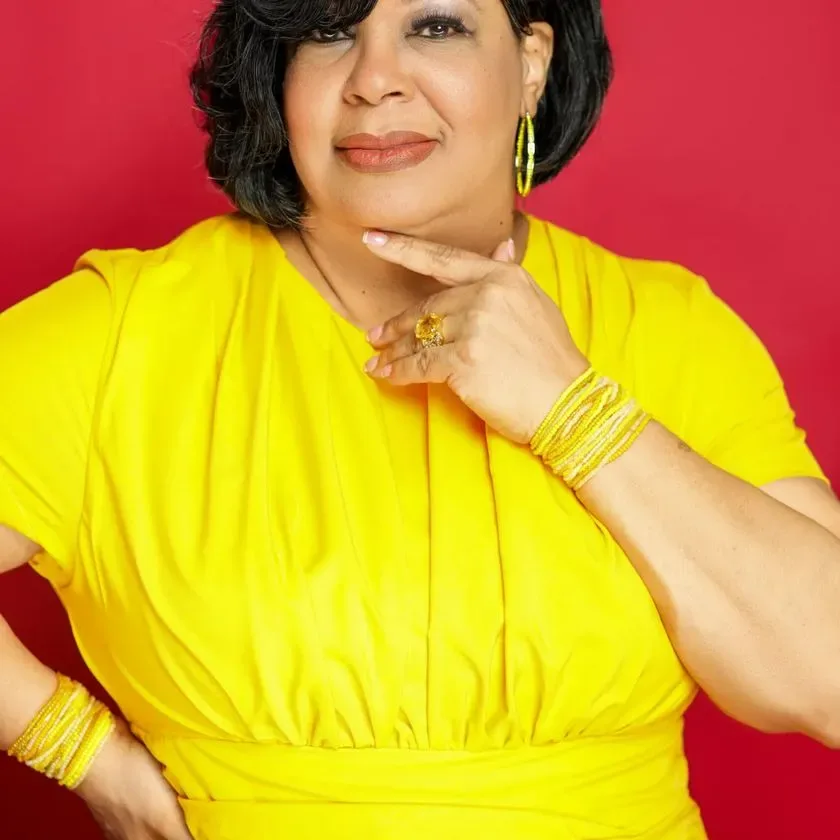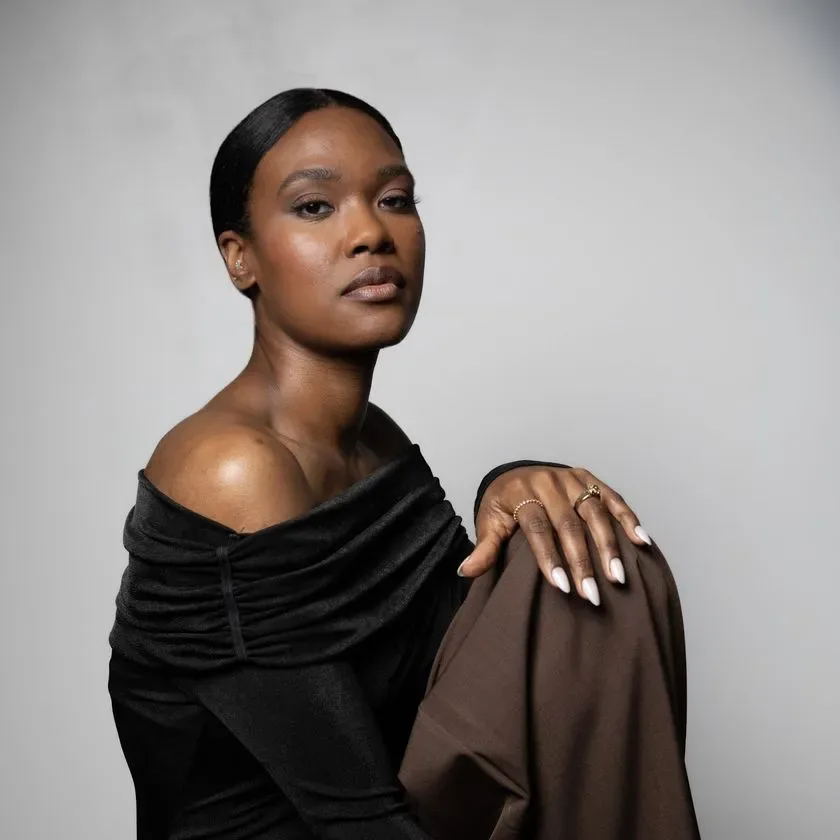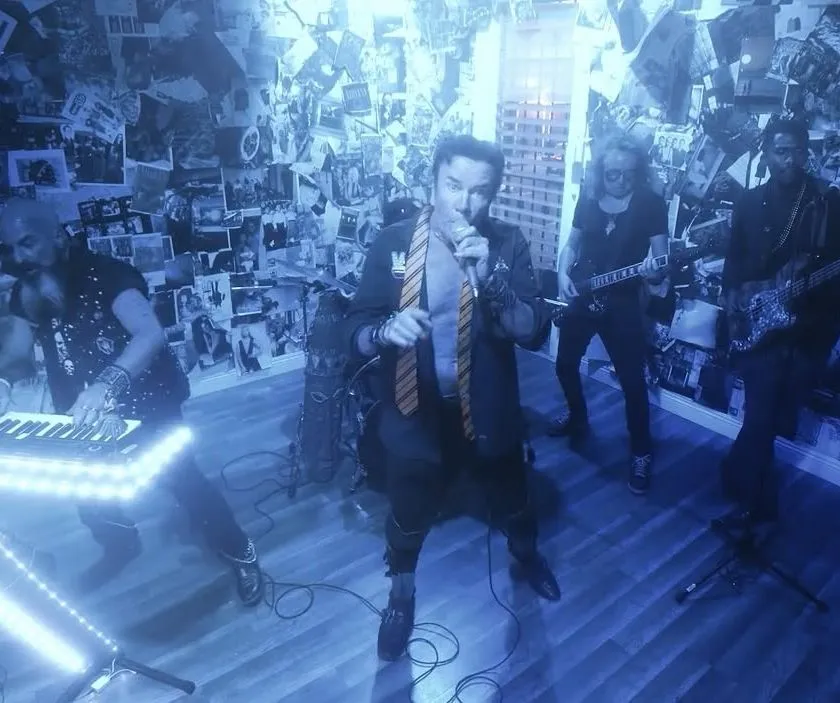
Blending smooth R&B grooves, soulful melodies, and the elegance of the urban ballroom scene, [Artist Name] returns with her new single, “Black Tie,” a stylish story of attraction, romance, and unspoken connections. Drawing on a lifetime of musical influences, from Aretha Franklin and Diana Ross to Stevie Wonder and Prince, she brings together her love of rhythm, dance, and storytelling. In this interview, she discusses the inspiration behind “Black Tie,” her creative partnership with producer Gayle Brannan, her journey as a multi-instrumentalist, and what listeners can expect from her upcoming projects, including her new EP, Save the Setting Sun!
Your new single, “Black Tie,” captures the elegance, romance, and sophistication of the urban ballroom dance scene. What inspired you to write this song, and how did the idea for its storyline come about?
I wrote the song around the title, really. I put down some programmed drums, sampled bass and piano. I only had the chorus. I gave it to my producer, and he took it and really captured the way it should be as far as a groove. Then I wrote the rest of the song around that.
2. The song tells the story of a woman who becomes captivated by a distinguished gentleman across a ballroom. What drew you to this theme of attraction and unspoken connection, and have you ever experienced a moment like this yourself?
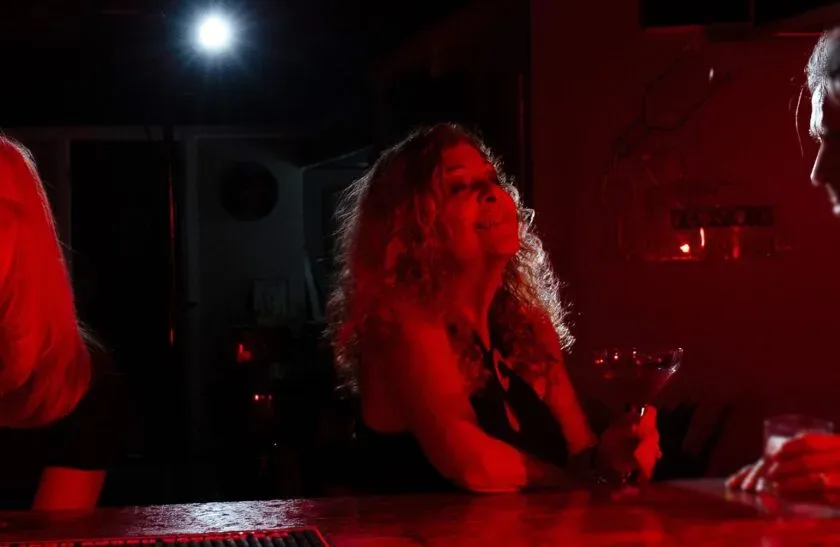
This is me trying to get away from the social commentary type of songs I had been writing and switching to third person point of view. I also incorporated my own experience of being in crowded room (singles clubs when I was single) predominantly women. The fewer men that were there, especially the attractive ones, got a lot attention. So, I took that and pretty much did a fictional take on woman zeroing in one guy.
3. “Black Tie” has a smooth, soulful R&B groove that brings to mind classic tracks such as Next’s “Too Close.” Which artists and songs from that era have had the biggest influence on your musical identity?
I was influenced by this band I was performing in, which my husband led, at the time. We would play a lot of black and mixed nightclubs, where we could lean more on the smooth jazz, ballroom style of the day plus the R&B dance tunes. Ballroom style grooves are still popular, so I wanted to tap into that genre.
4. Your previous release, “Mean Daughter’s Wedding,” also has a strong dance appeal. How do you approach creating music that connects with dancers, particularly within the urban ballroom community?
I love to dance and I love rhythm. I lean toward uptempo songs when I write, it seems.
5. You worked once again with producer Gayle Brannan on “Black Tie.” What makes your creative partnership work so well, and how does Gayle help bring your musical vision to life?
He gets my R&B sensibilities; he appreciates my background, being surrounded by soul and rock music, being from Detroit. Yet, he’s younger than me, more in touch with the newer sounds and methods of recording, so he knows how to keep the sound current.
6. You began your musical journey at just four years old, inspired by the records your grandmother and aunt brought home from restaurant jukeboxes. What are some of your earliest musical memories, and how did those experiences shape the artist you are today?
Those old records, radio, tv and the albums my older brother would bring home in the late 60s and 70s got me listening, play acting, how to sing, play flute, how to look. Two of very first records I got were “Raunchy” by Bill Justus and “Cast Your Fate to the Wind” by Vince Giraldi. I would repeatedly play these 45s, even pretending I was a DJ and hide my record player behind a curtain, playing them, when salespeople dropped to talk to my Mom. “Cast Your Fate to the Wind” was particularly influential. The melody actually scared me. So I would play it over and over.
7. Your influences range from Aretha Franklin and Diana Ross to Jethro Tull’s Ian Anderson, Stevie Wonder, and Prince. How have such diverse artists shaped your approach to songwriting, vocals, and instrumentation?
My friends and I would play like we were the Supremes and “fight” over who would be Diana. I would sing along to Aretha’s greatest hits, trying to emulate her tone and phrasing. I took apart Ian Anderson flute solos, picking up the record needle to repeat and learn parts. Stevie and Prince were such prolific writers, and I can only hope that listening to their music rubbed off on my approach, especially with melody, and groove on my funkier songs.
8. You’re a remarkably versatile performer, moving between lead vocals, saxophone, flute, and harmonica on stage. Which instrument feels most personal to you, and how do you decide which one a particular song needs?
All of them are my expression. I just happened into playing Harmonica, after I saw a few other sax players play. I tried it and it worked for me (only on a few keys!) I think now, I’m more connected to the alto sax. I have my most pleasant memories of learning and playing the flute. I would hike in the mountains when I lived in Aspen, CO. The canyons had the best echoey acoustics. (It’s amazing that I never was attacked by a mountain lion!). I also used to play in the mall in Aspen and join acoustic guitarists, jamming. Singing was always special to me, although now it takes a lot more work to keep in shape vocally, as I get older.
9. You studied saxophone with Denver jazz bebop musician George Keith. How did that experience influence your musical development, particularly your distinctive tone and phrasing?
George was an amazing influence on me and my playing as he was with many of his students. (Some of us stay in touch.) He passed away in 2006. Other instructors would just put a book in front of you. He had a different approach that involved more focus on music theory and less on sight reading. He taught me about tone, phrasing and even had me take apart my instrument and put it back together, how to shop for horns, mouthpieces. He was also a musical shrink of sorts, as he guided me, talked me through all of the situations, egos of other musicians I came across, especially as woman.
10. Looking ahead, what can listeners expect from you following the release of “Black Tie” and its accompanying EP? Are there new musical directions, collaborations, or live performances you’re particularly excited about?
Yes! my even newer EP called “Save the Setting Sun!