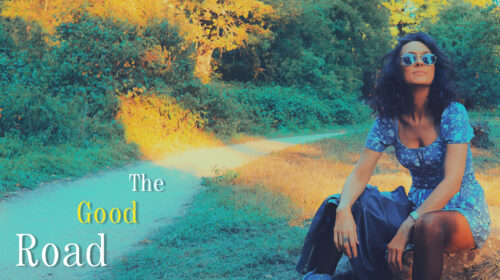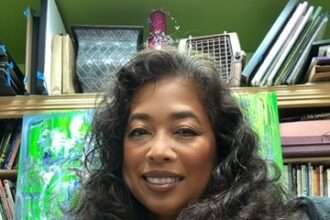

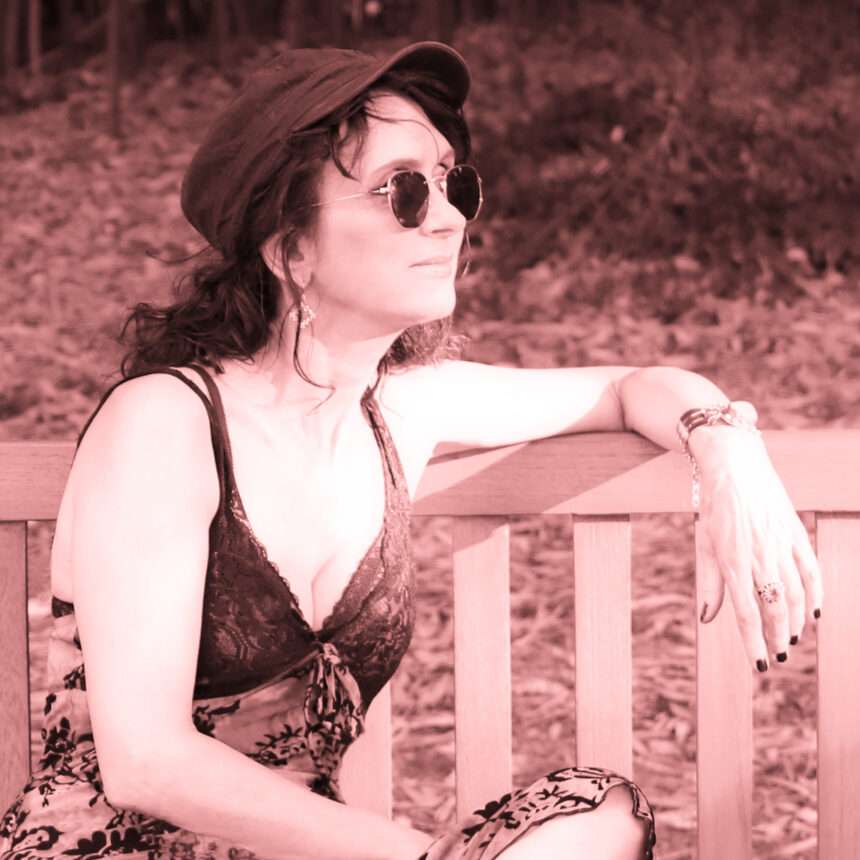
Some artists create music to entertain, while others create to heal, inspire, and spark reflection. With the release of The Good Road, we meet an artist whose life and art are beautifully intertwined. A self-described “good witch” with a family legacy rooted in healing, she has spent her life shaping stories through music, literature, poetry, and even video games. Her journey began with childhood guitar lessons and early performances, continued with international recognition for her song The Darkstone Will Shine, and was later marked by a difficult pause due to illness. Yet through every challenge, she continued to create, pouring her energy into award-winning novels and poetic lyrics that touch the soul.
Now, she returns to music with renewed strength and authenticity, offering songs that feel less like entertainment and more like deeply transformative experiences. The Good Road reflects her resilience and her gift for turning pain into beauty while inviting listeners to pause, heal, and rediscover what truly matters. Working alongside her partner, producer and guitarist Chris Rime, and their daughters, she continues to blend poetry and sound into art that feels both intimate and universal.
Congratulations on the release of The Good Road! To begin, could you introduce yourself to our readers and share what first inspired your journey into music?
Thank you ! Well… I’m a good witch J (witchery is a family thing on my mother’s side), totally dedicated to healing and uplifting people through my art. I’m a singer/songwriter, but I’m also a multi-awarded novelist, a poet, a playwright, and a film and video maker. I released 3 albums and a lot of singles and wrote music for films. I was a Gypsy in the game Darkstone (1 million items sold), and my song ‘The Darkstone Will Shine’ created a buzz worldwide.
Unfortunately, soon after that, Lyme disease stopped my musical adventure. As I needed something creative to help me go through those hard times, I focused on my writing and published a lot of books. My father was a very creative person, a painter and sculptor, and my mother a psychiatrist. This likely explains my compulsion to both heal and create. I took my first guitar lesson when I was 6… and made my first public appearance on a big stage when I was 7. It has been a long time since the journey began! But singing what my father called “The Sunday Blues” with my little brother (who’s also a musician) and my dad playing on his old guitar was probably something that inspired me a lot as a child.
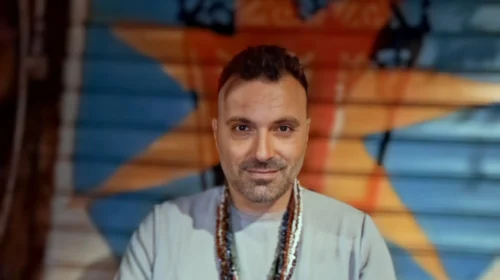
I studied singing in the US, then I met my partner in life Chris Rime (Jazz guitarist and producer). He became the father of my two daughters and the particle accelerator of my musical life The Good Road carries a powerful message of nostalgia, healing, and rediscovery. What was the emotional spark behind this song, and what do you hope listeners takeaway from it?
We all have wounds to heal, but the world crisis has pulled us all in the wrong direction, and we frequently neglect our own needs. Young and old people are going through severe depression; we’ve all lost many feathers, and we are now unable to fly as we used to. In the turbulent age we find ourselves in, poetry may offer a path to peace and freedom as we move forward and reconnect with what truly matters.
The global crisis serves as a compelling call to change the world. We need to rethink it through beauty, nature, and togetherness. I cried a lot while I was writing and composing the song. A gigantic nostalgia suddenly popped out. I realized that, within a few years, I had lost so many good things: a part of my capacity for wonder and, most of all, the ability and possibility to trust people.
I wrote the song as a cry for help, a universal request for solidarity and support to help each other through transcendent experiences that inspire enchantment and add meaning to our lives. Nostalgia can help people appreciate the parts of themselves that remain steadfast, despite the passage of time. It can strengthen them and empower them to embark on new beginnings.
You’ve described poetry as the “healing cement” of your life. How does poetry influence your songwriting process, and how do you merge it with music so seamlessly?
I can’t live without poetry. I’m not talking about reading poetry (even if I enjoy it too), but I’m thinking about what unlocks a feeling of closeness to people and to nature, about being uplifted by the pleasure of symbiosis with the universe. Poetry doesn’t influence my songwriting process; IT IS my songwriting process because it’s also my life process. Sometimes Lyme disease, toxic people, mourning, or societal disappointments drive me away from poetry, but then, I start dying a little more than usual, so I do my best to walk back on the good road again.
The production of The Good Road feels rich and textured, especially with Chris Rime’s hypnotic guitar and gospel-inspired backing vocals. Can you walk us throught he creative process of building the soundscape for this track?
In order to heighten the nostalgic vibe, Chris, who is a very gifted producer, has recorded these mesmerizing guitar tracks surrounding the listener as well as my voice. The Hammond organ and a nod to the Beatles through the line “It’s a long and winding road” enhance the overall mood, while the bridge evokes a John Lennon-like atmosphere that highlights the political relevance of the lyrics.
“The Good Road” may suggest a lost paradise, but the chorus, add-libs and outro offer a different point of view. As little brooks always make great rivers, the gradual introduction of warm-inspired gospel backing vocals culminates in a rich and robust choir. The voices add a reassuring and hopeful message by emphasizing the significance of individual engagement in collective experiences to illuminate our future. Building the soundscape of this track was also gradual work. It only started with simple chords and a melody with poetic lyrics. We carefully chose each instrument to strengthen the poetical and political message.
Your career has spanned music, literature, and even the gaming world. How have these creative experiences shaped the way you approach your artistry today?
I can’t stand dull life, standardization, renunciation, and all forms of commercial or ideological imperatives that stifle imagination. So, I’ve always done and created what I wanted, even if I had to fight for it. Music helps me to write novels as I usually sing the sentences that I write to make sure they’re cool and easy to read. But conversely, writing poems and novels helps me to write storytelling songs. When a game character was modeled after me, I couldn’t imagine the song I wrote then would generate such a buzz worldwide. I’ve learned that accepting new challenges is always a good thing.
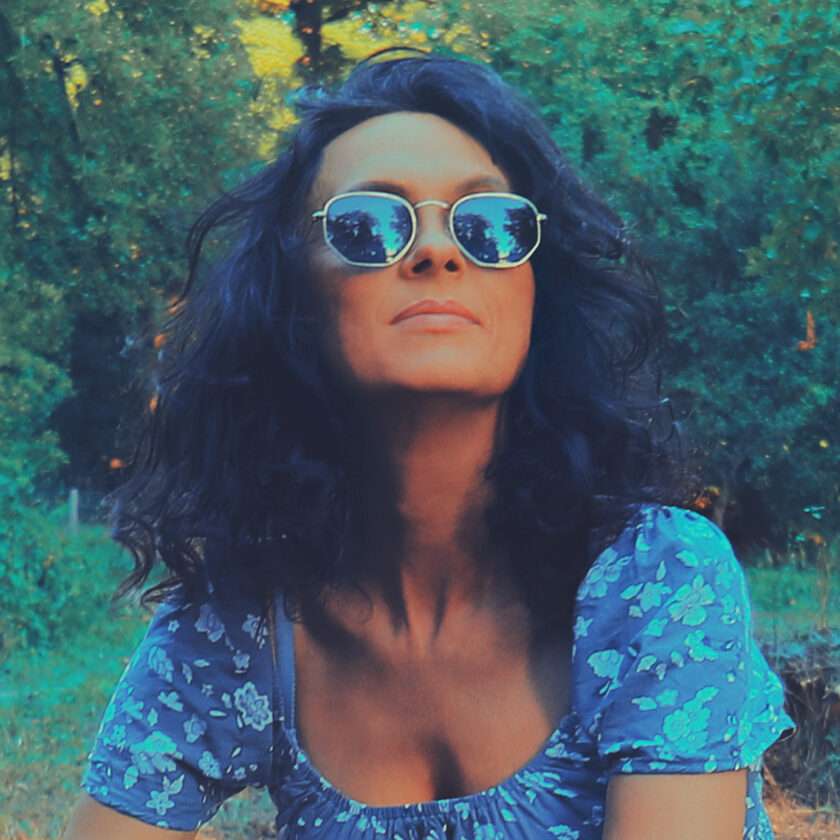
Collaboration seems central to your work, especially with Chris Rime and your daughters on your upcoming album Think Freedom. How does making music as a family influence the final sound and message?
I’m so lucky! The whole family is playing on my album! Jemily Rime (fretless bass on “A New Page”), Sydney Rime (Piano and co-composer on “Flowers in the snow”), Chris Rime (Everywhere on the album, guitar, production, arrangements)… and our cats who sings on “Big Boomerang” J. Making music with them feels like making a birthday cake together, it’s a homemade collective creation, with all the ingredients that can make life sweeter. I guess it brings something special to the music. It breathes life, warmth, truth, and tenderness.
You’ve faced challenges, including stepping back from music due to illness, and yet you’ve returned with even more strength. How has this resilience shaped your perspective on life and art?
A journalist said I turned wounds into wings. I think it perfectly summarizes my resilience. Flying, creating, dreaming, hoping is indispensable for me. I’ve reached a step in my life and musical career where I allow myself to unravel my real self and add a (probably) more authentic musical touch to my compositions. I don’t care anymore about a lot of insignificant and useless thinks and I don’t care about exposing my struggle and my weaknesses. It’s important to show people that despair is not eternal. I wish my songs could heal them and help them in their struggle. Now, I try to enjoy every single moment as much as I can and put all my heart and soul in my creations.
Think Freedom is set to arrive later this year. What can fans expect from the album, and how does it expand on the themes introduced in The Good Road?
Think Freedom is a poetic picture of the tough world we live in and an invitation to make it smooth and beautiful. It’s a source of exhilarating oxygen that raises the spirit of love and togetherness. It’s also a healing and reassuring friend.
Looking ahead, what is the core message you want to leave with your audience through your music and your artistic journey as a whole?
Listen to your insights because you know what’s good for you! And try not to follow the herd. We’re stronger than we think. We’re a waterfall, we’re magical, we’re a golden sound like dewdrops on the ground, We can change the world around
For music submission, click here