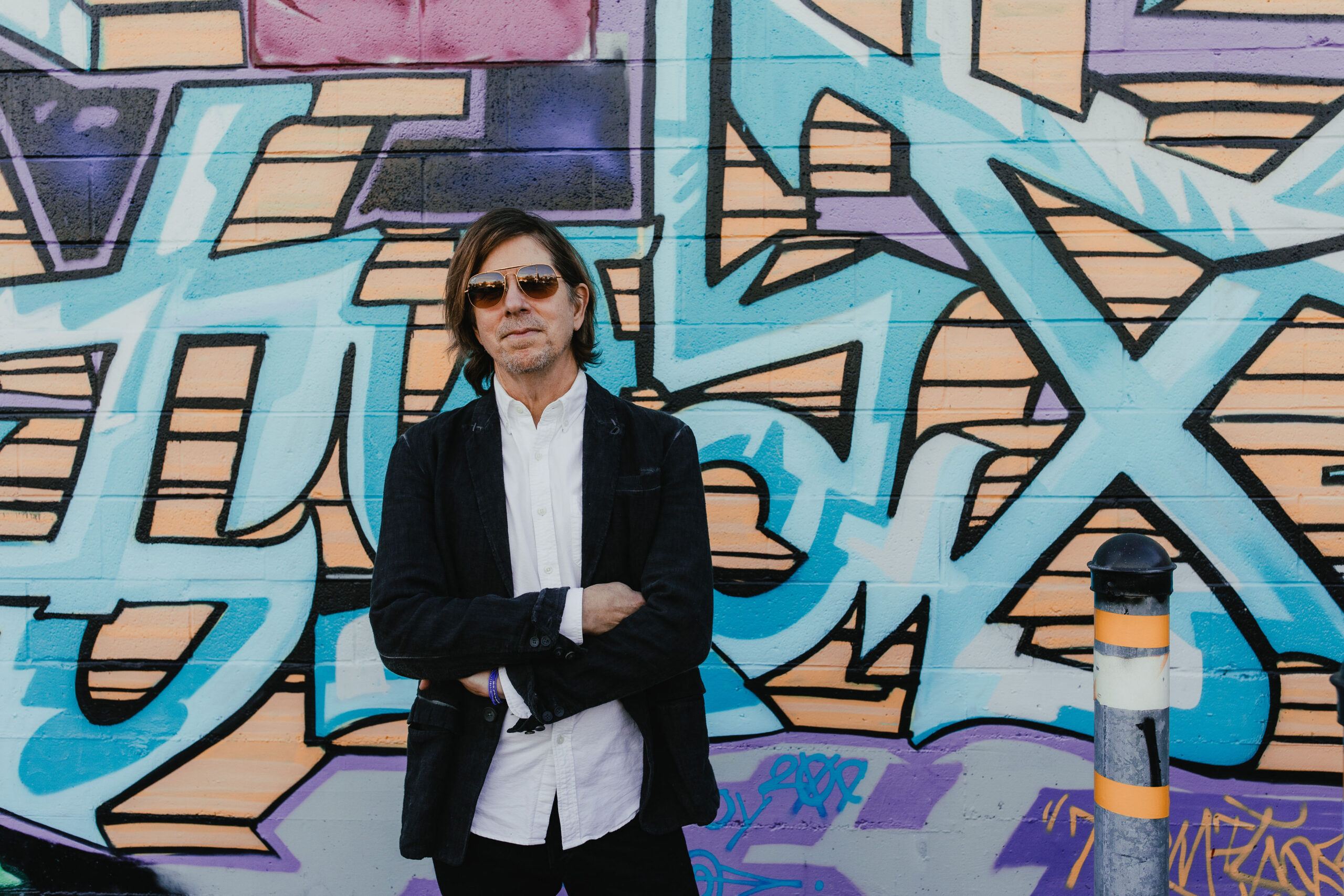
Forrest Hill isn’t your typical indie artist. His journey started in the late ’70s, hitchhiking across post-Vietnam America, an experience that left a lasting mark on his music and worldview. From founding a funk rock band in Boston to earning a PhD from MIT and later stepping away from music, Forrest’s story is one of reinvention, curiosity, and coming full circle.
After decades away from the studio, it was his wife who encouraged him to return to his musical roots, and he hasn’t looked back since. With five solo albums under his belt and a sixth on the way, Forrest blends folk, rock, and soul with lyrics that reflect a lifetime of experience, thoughtfulness, and heart.
In this interview, Forrest opens up about his creative process, the challenges of navigating the modern music world, and how he uses songwriting to explore connection, love, and the deeper meaning of it all.
Can you tell us about your journey as an indie musician? What inspired you to pursue a career in music?
My musical journey began in 1977 while hitchhiking across post-Vietnam America, where I encountered both suffering and compassion that still inspire my lyrics today. In Boston (1980), I co-founded the funk rock band Judy’s Tiny Head, releasing two EPs including “My Car,” which enjoyed solid airplay in Boston and became a top 20 hit on college radio. We performed with some incredible acts like the Violent Femmes, Run DMC, and Deborah Harry, and even worked with producers like William Garrett and Teddy Riley.
After earning a PhD from MIT and exploring various careers in California, my wife Erika encouraged me to return to music. In 2015, I recorded my first solo album “Rust” after a 35-year recording hiatus. Since then, I’ve released five solo albums, with a sixth (“Beyond the Veil”) coming this summer.
For me, my inspiration has never been about becoming a star. It’s always been about the transformative power of music—how it can move the soul and connect us to the present moment. I really believe that music helps us see our true nature and opens us up to what’s good about life.
How would you describe your unique style and sound as an artist? What sets you apart from other musicians?
My sound has evolved from jazz/funk with JTH to what I’d describe as story-driven indie chamber folk that bridges contemporary rock and modern folk. My influences range from Dylan, Cohen, and The Beatles to more contemporary artists like Andrew Bird and Mumford & Sons. My latest work with producer J. Christopher Thomas has brought in elements of modern psychedelic folk rock, giving nods to bands like The Shins and The War On Drugs.
What sets me apart is probably the way my diverse life experiences inform my songwriting. My scientific background, meditation practice, political activism, and the wisdom gained from 30+ years of intense living all inform my lyrics. I’m not afraid to tackle difficult issues in my songs, but I always try to infuse them with light and hope.
I also put as much energy into song arrangement as into songwriting. I think a bad over-produced arrangement can wreck a good song. Working with Christopher has really helped to shape the way I think about arranging, which in turn has helped my writing style evolve.
Could you share some of the biggest challenges you’ve faced as an indie musician and how you overcame them?
Returning to music after such a long hiatus was itself a major challenge – there’s significant self-doubt in putting yourself out there creatively after so many years away.
Navigating today’s digital music landscape has been another hurdle. The industry transformed completely since my days with JTH, requiring new approaches to building a following on streaming platforms while staying true to my artistic vision.
The pandemic presented unique obstacles as well. When COVID-19 hit and my father passed away, many existential questions surfaced. I channeled that anxiety into songwriting, which ultimately led to the albums “Only Love” and “Living On The Edge Of Time.”
Perhaps the most universal challenge for any indie musician is finding an audience. I continue to work slowly on building a following on platforms like Spotify, Instagram, and YouTube over time. Patience, as they say, is a virtue.
What is your creative process like? How do you approach songwriting and composing music?
I typically start alone with just an acoustic guitar, noodling until something catches my interest, then singing whatever comes to mind. Often, nonsense vocals eventually yield a meaningful line or two, frequently beginning with the chorus – the emotional heart of the song.
When I’m satisfied with the shape of the song and have enough material together, I create music charts for all the songs and send rough recordings to Christopher. We discuss ideas and then I let him do his magic. We then review his parts, and I may change some of my vocal lines to make it all fit together. Once we are both satisfied, I book studio time and collaborate with other musicians to bring the songs to life.
Some of my most meaningful songs have come from specific moments of inspiration: a walk with my wife Erika along the cliffs in Mendocino California, a moment of reflection on a meditation retreat, or perhaps reflections on current social and political realities.
Are there any particular themes or messages that you aim to convey through your music? What inspires your lyrics?
My music consistently explores several themes: finding meaning in an increasingly impersonal world; love’s transformative power; the importance of connection; and personal and social healing.
My meditation practice has profoundly influenced my writing, helping me develop an introspective style that explores how we can transform our thinking. I’m interested in how music can pull us into the present moment, connecting us more deeply to life.
Social awareness is another important inspiration. For instance, songs like “Cold Rain’s Coming” examine what happens to us as a society when we lose sight of our common humanity. The album “ShadowLight” is about bringing one’s own internal light into difficult situations to foster hope and connection. Meanwhile, my latest single, “Can’t Wait for a Savior,” addresses contemporary divisions and environmental concerns, reminding us of our responsibility to engage rather than wait for solutions.
As I’ve grown older, my focus has shifted from simply writing about love, loss, and social change to exploring how these forces transform our lives.
What are your long-term goals as an indie musician? Where do you see yourself and your music in the next few years?
I’m focused on expanding my audience while creating authentic, meaningful music. With my sixth album “Beyond The Veil” releasing this summer, I’m excited about the direction my collaboration with producer J. Christopher Thomas is taking my sound.
I see myself continuing to explore different musical styles and arrangements, perhaps incorporating more of the 80s-inspired sounds that have influenced my latest work. The retro pop-rock sound of my new single “Can’t Wait for a Savior” points in an interesting direction that I’d like to develop further.
On a deeper level, I want my music to contribute to healing some of the divisions in our society. I believe music has the power to remind us of our common humanity and inspire positive change, both personally and collectively. If my songs can help people feel more connected to themselves and others, I’ll consider that a success.
At this point in my life, I’m more interested in creating a body of work that has integrity and resonates with people who are seeking meaning and connection. I believe we are never too old to create what is truly in our hearts, and I plan to continue following that creative passion wherever it leads.
For music submission click here