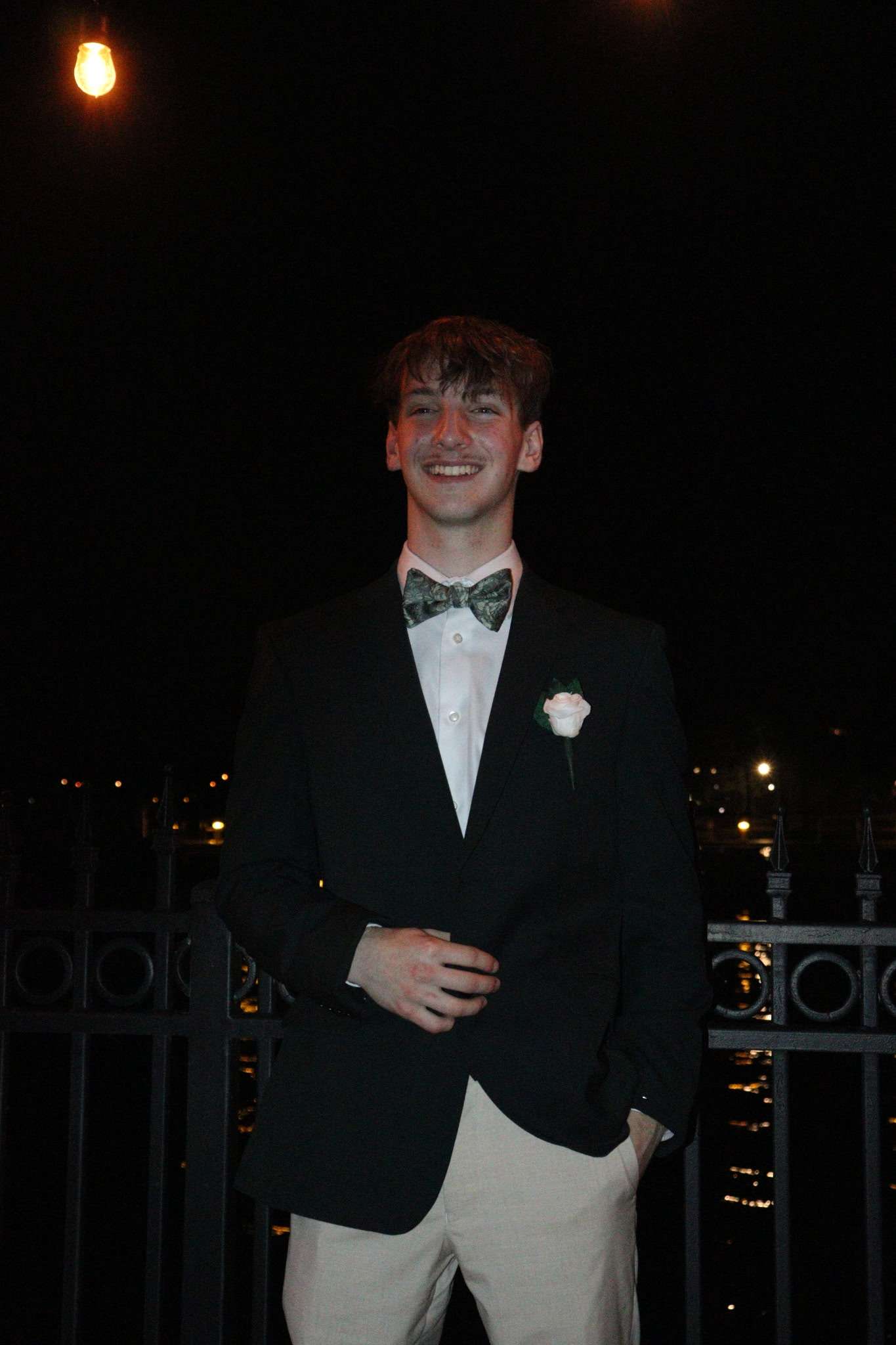
For Connor Riesen, music has never been about staying in one place. His journey has moved through electronic production, jazz, piano arrangements, classical influences and collaborative songwriting, with each project adding another layer to an artist still discovering what he is capable of. Now, with Beginnings, Vol. 3, that constant curiosity has led him somewhere more personal, more experimental and arguably more confident than ever before.
The third chapter of the Beginnings series finds Riesen stepping further into the music himself. He taught himself guitar by ear specifically for the project, playing both electric and acoustic guitar while also taking on vocals across two of the three tracks. Behind the scenes, he remained deeply involved in the production and writing, giving the EP a sense of creative ownership that reflects how far he has come since the earlier volumes.
What makes the project especially interesting is that Riesen does not see this evolution as abandoning what came before. Instead, he views every release as part of the same journey, with each experiment, mistake, collaboration and unexpected discovery becoming another tool in his creative arsenal. From the jazz explorations of Stories to the piano and hymn arrangements of Sabbath in C, those experiences have gradually shaped the musician now emerging on Beginnings, Vol. 3.
In this conversation, Riesen opens up about the confidence that allowed him to push beyond his previous boundaries, the unconventional guitar-learning process that helped shape his playing style, and the growing connection he feels when performing his own material. He also reflects on knowing when a song is ready to leave the studio, the importance of experimentation, and his desire to eventually create music that reflects his personal taste while connecting with millions of listeners. For an artist who refuses to settle creatively, Beginnings, Vol. 3 feels less like a destination than another important step forward.
This third volume of the Beginnings series sounds like a significant creative leap, both musically and personally. What made you feel ready to push the series further outside your previous boundaries, and what were you hoping to discover by taking those risks?
Honestly I would say it comes down to timing and confidence. Ive recently been experimenting a lot and building lots of self confidence and I felt ready to go a little further than I have ever before! As far as what I wanted to discover, I was really just looking to discover new possibilities for future writing and recordings by what people like to hear!
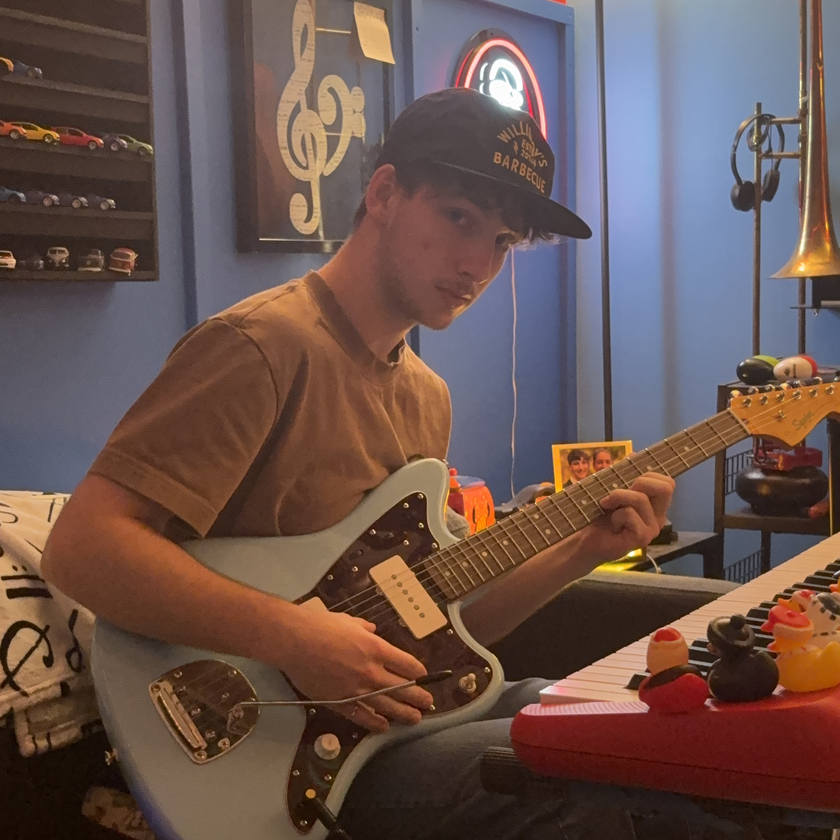
You taught yourself guitar by ear specifically for this project and then played both electric and acoustic guitar across the EP. What was the learning process like, and did approaching the instrument without traditional training lead you toward ideas you might not have found through a more conventional method?
Honestly I took a very simple approach to it. I had the ideas and concepts I wanted to hear and wanted to improvise, and I learned fret patterns and key specific patterns so that I was able to achieve my ideas, plus a little google for chord shapes and whatnot. Honestly I would say this approach does give me kind of a unique style of playing, though I would probably just refer to it as “incorrect”, but I do think it has its own charm!
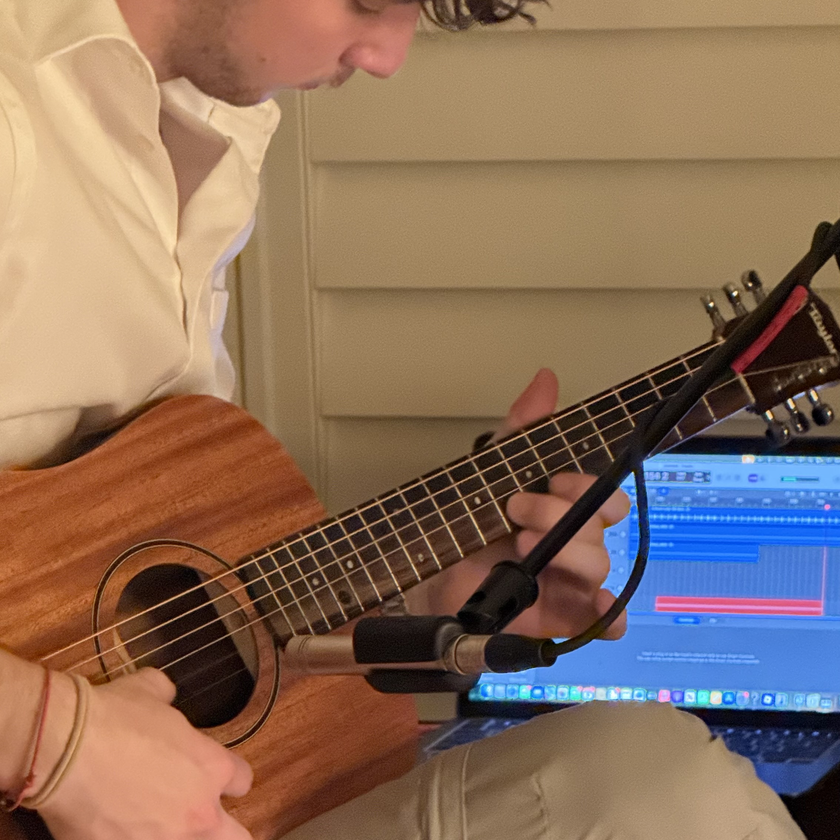
You sing on two of the three tracks while also handling production and contributing to the writing. How did becoming more directly involved as a performer change your relationship with the songs, particularly compared with your earlier work as primarily a producer and composer?
Well certainly, considering the writing portion along with he performance portion, I think naturally more emotion and realism comes out. There I definitely a bigger connection between me and the music, based on the fact that as the performer, I’m able to use more creative freedom to evoke certain emotions, and really bring out the things that I am writing about from a personal level.
The Beginnings series has become a recurring part of your artistic journey, with each volume documenting a different stage of your development. When you listen back to Vol. 1 and Vol. 2 alongside this new release, what differences do you hear in the way you think, write and produce?
I would say, a big thing is the complexity, but also just quality and intentionality behind my later works compared to my earlier stuff. With Volume 3, there is a higher level, in my opinion, of intentionality behind each sound, and how everything is mixed, and the musicianship and whatnot. I do look back at certain songs especially and admire and try to replicate sometimes, but over time I’ve definitely learned to be more intentional and expressive.
Your catalogue has moved through electronic production, jazz, collaborative songwriting, piano arrangements and now a more guitar-driven approach. What motivates your constant movement between genres, and do you see that experimentation as part of your identity rather than something you eventually want to settle?
I honestly think what drives that is just what I’m into at the time, or what I’m inspired by. For example, on this release, Beginnings Volume 3, I approached it with a very guitar heavy style, plus the general song styles which I used, and all of that comes directly from certain songs and artists that inspired me at the time of writing and recording. I don’t know that creatively I will ever “settle”, but I do think I am in pursuit of, and will find my “sound” at some point.
Your musical education began with piano, school band and French horn before you became largely self-taught. How have those early experiences with harmony, composition and orchestration continued to influence the way you approach modern production?
Oh honestly I think the only reason I am the way I am, creatively and musically, is because of my early upbringing around music, and having some form of music always a part of my broader education. I think that certainly my knowledge of common chord progressions, and common tricks to dissonance and all that comes heavily from my band experiences and other music experiences which I got exposed to in school, fortunately for me.
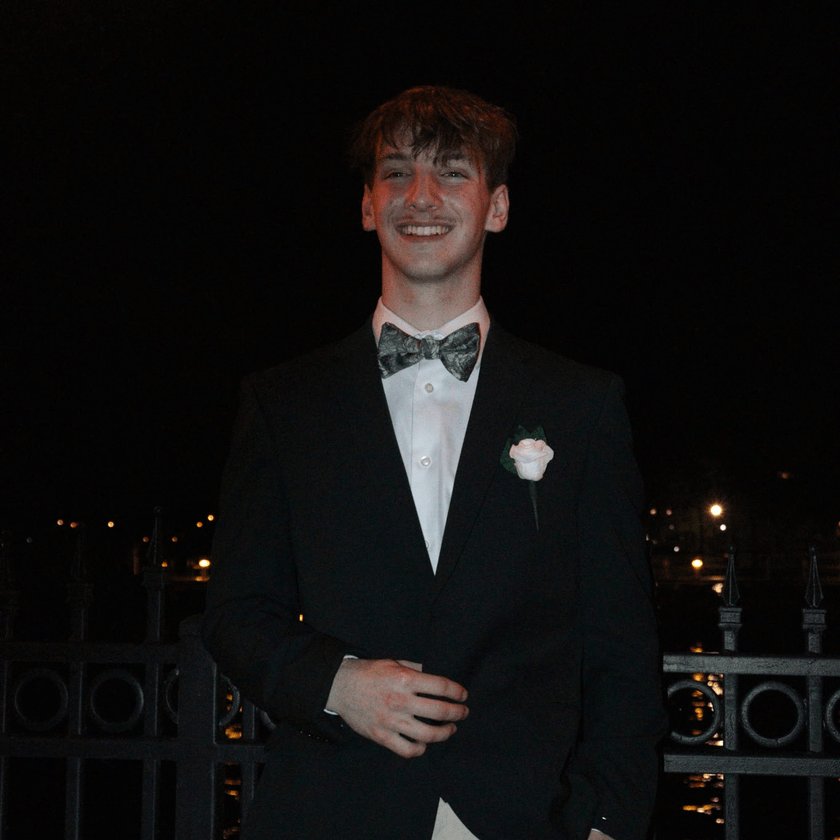
You have described this EP as arguably some of the best music you have released. What specifically makes you feel that way? Is it the songwriting, the performances, the production, the willingness to experiment, or the fact that all of those elements finally feel like they are coming together?
Honestly mostly the general idea of all of the creative aspects of making music, coming together very beautifully to me. Like, I would say when I was recording and writing, and then moved on to the mixing and mastering, at every part of the process, another thing came into play and it pretty much always felt like it fit into the perfect place instantly. Obviously like anyone who creates and writes, there were challenges and many rejected concepts and ideas, but overall the end product came out a lot more, “together” than I think anything else I’ve made ever has.
Your previous work includes Stories, which moved strongly into jazz, and Sabbath in C, which brought you back to piano, hymns and classical influences. Did those projects prepare you for the creative freedom you are exploring on this new EP, or did this release require you to approach music almost from scratch again?
I mean certainly those albums influenced this EP in many ways, but I would say that everything I’ve ever released has made even the slightest contribution to this EP. I feel like the musical journey is kind of like a game where you start with very basic tools and items, and the more you play the better your tools and items get, but you can’t get better tools and get better at the game without even the first tools which might be horrible compared to later on items. Same with music. Everything I’ve done up until this point has helped me to achieve what I did on this EP, so I don’t think of it as almost starting from scratch, but more of a steady build up, currently culminating in this release!
Because you handle so many aspects of your projects yourself, how do you know when a song is genuinely finished? Is there a point where you have to stop producing and trust what you have created rather than continuing to refine it?
If I’m being honest, nothing is ever usually truly “finished”. I say that because there have only been a handful of songs that I can sit back and genuinely feel like nothing can or needs to be added. However, peer review, comparing to inspiration or similar songs, and letting the song sit and “simmer” for days or even weeks, are all good tools to use even when you could keep adding to a song, to know when it is good to publish. I think if you can do all of that, and be at least 90% content, then that’s the point where you just trust in your creation and let the world decide from there.
You are continuing to build an identity that sits between composer, producer, instrumentalist and recording artist. Looking ahead, what do you want the next chapter of Connor Riesen’s music to reveal that listeners have not heard from you yet, and where do you feel your curiosity is pulling you next?
I think as I continue, I really want to focus on people getting to know me for my personal music taste, and just what I enjoy hearing myself. My biggest goal with music has always been to make music that I myself enjoy, not just music that gets streams. But to add to that, I want to be able to make music that I enjoy, and still have it be enjoyed by millions of other people. So I think that’s what I’m working towards. As for where my curiosity is pulling me, I think you can definitely expect to see some more Jazz in the near future, and quite possibly some folk influences, though that will all have to remain speculation until my next album!