

In a musical landscape often shaped by fast trends and fleeting attention, Max Nemo offers something more reflective and enduring. His debut project, Nexus, unfolds less like a traditional album and more like an emotional journey, rooted in moments of solitude, uncertainty, and quiet self discovery. There is a sense of stillness within the music, yet it carries a depth that lingers, drawing listeners into a space where feeling takes precedence over form.
Blending ambient textures with cinematic elements, Max Nemo creates a sound that feels both intimate and expansive. Each track seems to exist in its own world, yet remains connected by a shared emotional thread. Rather than presenting clear answers, the music invites interpretation, allowing listeners to bring their own experiences into the space it creates.
In this conversation, Max Nemo reflects on the personal experiences that shaped Nexus, from periods of isolation to the process of reconnecting with his creative identity. He speaks candidly about vulnerability, the role of honesty in his work, and the idea of music as a form of connection. What emerges is an artist committed not just to sound, but to creating something that resonates on a deeper, human level.
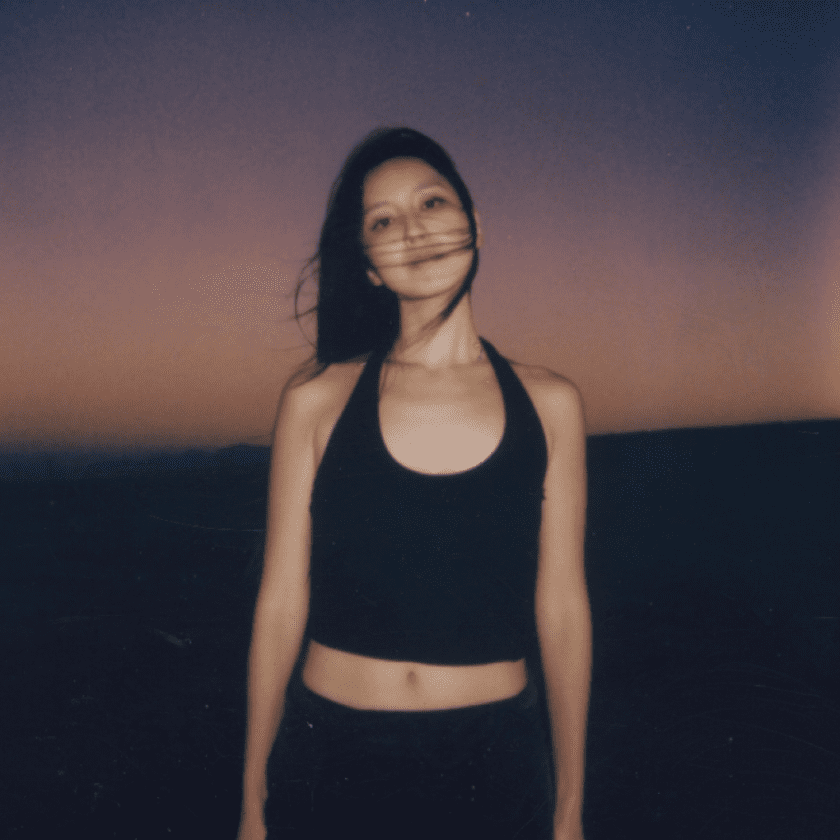
Nexus feels both deeply personal and universally relatable at the same time. Can you talk about the experiences that shaped the album and how you translated those private moments into something listeners can connect with?
I think the album came from a really personal place. It was written during a time when I was going through a lot of doubt and low points, and I was spending a lot of time alone just trying to make sense of everything.
I wasn’t really thinking about making something “relatable” at the time. I was just being honest with what I was feeling and turning those emotions into sound. But looking back, I think that’s exactly what makes it connect. Even though the experiences were very specific to me, the feelings themselves — like confusion, loneliness, or trying to find your way again — are things most people go through in some form.
So I think the way it became something more universal was just through that honesty. I didn’t try to explain everything too clearly. I was really just putting a lot of my questions about life and the emotions I was feeling at the time into the music. And that kind of openness leaves space for listeners to step in and find their own meaning in it.
You’ve described your name, Max Nemo, as representing “nobody and everybody.” How does that philosophy influence the way you approach songwriting and the emotional space you create for listeners?
Yeah, so when I create, I kind of step into that presence. I’m not really thinking about myself as just one person. I’ve always wanted it to feel like something more open, something other people can be part of too.
Someone once asked me if Max Nemo is a person or a band. It started as one person, but I hope it can slowly grow into something bigger, like a community. Whether that’s through collaborating with different creatives or just building something together over time. I really like the idea that people, whether they’re artists or listeners, can say, “I’m a Max Nemo too.”
That idea also shows up in the music itself. I use a lot of different sounds, especially layered vocals and harmonies. It kind of feels like a band, but also like a collective.
This album was created during a period of transition after returning from Los Angeles. How did that shift in environment and mindset impact the sound and themes of Nexus?
LA has always been a really special place to me. It’s where a lot of my dreams began, and where I first started creating.
After leaving, I went through a long period of confusion and depression. I was pretty quiet for almost two years, just religiously running every day under the sun and trying to find my way back to myself. Through that process, I slowly reconnected with why I started making music in the first place.
I think that shift really shaped Nexus. The album carries a lot of that uncertainty and inner dialogue — it’s me trying to process things and make sense of everything as I go. There’s also a song called Lala Land, which was inspired by LA, but really it’s for all dreamers. I feel like everyone carries their own version of a “La La Land” — a place that holds all those days and nights, the quiet struggles, and the dreams that keep them going.

Much of the record was written in a quiet, enclosed space. How did that physical setting influence the atmosphere and emotional tone of the music?
That’s actually a really interesting question. Yeah, most of the album was made in a small, quiet room. There was just one window, and I spent a lot of time sitting there, watching the world outside — the light changing throughout the day, from sunrise to sunset, sometimes just imagining what was happening beyond it.
It was a very enclosed space, but in a way, it gave me a lot of room to reflect and really see myself, while also still feeling connected to the outside world through that window. I think that balance shaped the emotional tone of the album — there’s a sense of introspection, but also this quiet openness.
There were moments of loneliness and struggles, but also moments when sunlight would fill the room and scatter across my desk. Those little particles of light stayed with me. They kind of shaped how I think about music. To me, it feels similar, like something intangible that travels and connects people.
I think that’s where Nexus came from, that idea of connection, something you can’t quite see or hold, but can still feel.
Your sound blends orchestral elements with experimental and ambient textures. How do you approach building such layered, cinematic arrangements while still keeping the emotional core intact?
Honestly, I don’t really think about it that much. A lot of the time, making music feels more like painting or making a film to me. I’m just using different sounds, almost like brushstrokes, to bring out the images I have in my head.
The layering kind of happens naturally through that process. I’m not really trying to build something “complex”. I’m just following the feeling and adding whatever feels right in the moment. So even when there are a lot of elements, it still comes back to the emotion, and that’s what guides everything.
You’ve said that “music is a form of transmission.” Can you expand on what that means to you, and how that idea shaped the intention behind Nexus?
To me, music as a form of transmission means that it carries something beyond words. It’s not just sound, it’s emotions, memories, and feelings moving from one person to another. Kind of like those moments I talked about, watching light move through the room. You can’t really hold it, but you can feel it.
I think that’s really the core idea behind Nexus. Music, to me, feels like a space, or a moment in time. In those few minutes, it becomes a place where we connect and exchange our feelings with each other.
Many of the songs explore themes like grief, detachment, and rebirth. Was there a particular moment or realization that connected all these themes into one cohesive project?
That’s actually something I only realized after everything was finished. During the process, it was all very spontaneous. I was just writing a lot of songs and focusing on how I felt in the moment, without really thinking about a bigger concept. Even the track order only came together at the very last minute before the album was released.
It wasn’t until later, when I started working on the visual side of Nexus, that I began journaling and digging a bit deeper. That’s when I realized the album was really a reflection of that period of my life — going through grief, healing, and slowly finding my way back to myself.
The tracklist feels almost like a journey, moving through different emotional states. Did you intentionally structure the album to feel like a narrative or emotional progression?
Not really, at least not at the beginning. I wasn’t thinking about building a narrative or anything like that. I was just writing based on how I felt at the time.
The only part that was clear early on was Fool and O. Once I finished them, I already knew they were going to be the first and the last song on the album. They actually originally came from the same piece, but they kind of evolved into two completely different emotional states. Fool feels like the beginning of a journey, like stepping into something unknown without fear. O, on the other hand, feels like the other end of that space. It moves through different emotional states but never tries to resolve anything. It just sits with the idea that life keeps going, endlessly repeating itself, without needing an answer. In a way, it became the core of the album.
Everything in between is more like fragments, just different moments of beauty, loss, and everything in between. When I started putting it all together, I realized it naturally had this kind of emotional flow. So the sequencing became more about listening to that feeling, instead of trying to force a structure onto it.
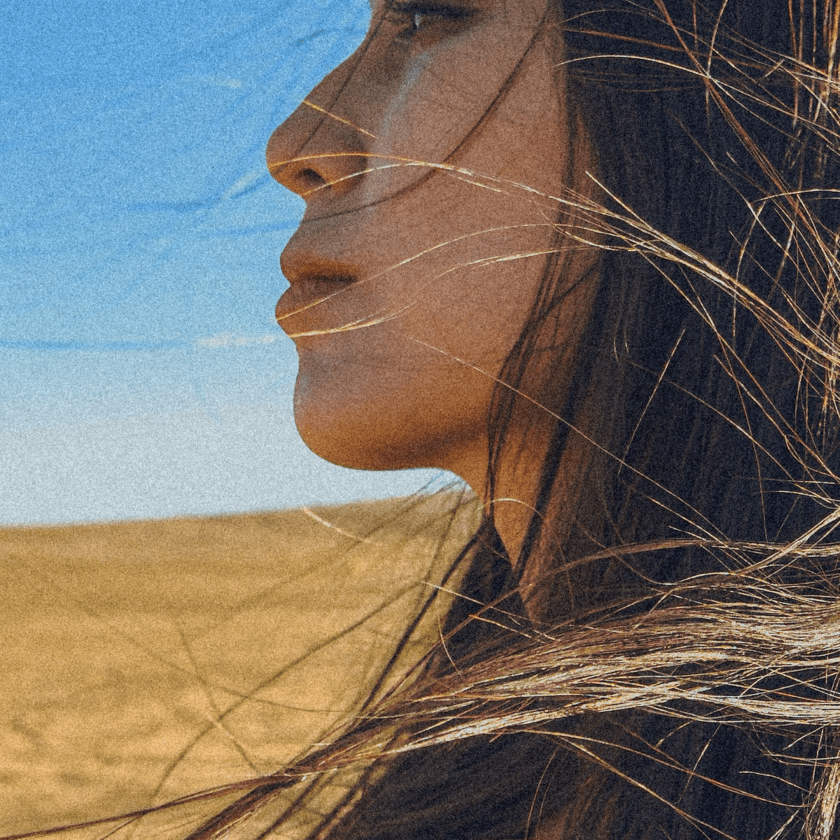
Songs like “Fool,” “Nyad,” and “Sisyphus Madness” each carry strong symbolic meaning. How do you decide when to be direct in your lyrics versus when to lean into metaphor and abstraction?
Lyrics have always been the trickiest part for me, haha. Making the music itself is a lot simpler, it just feels instinctive. A lot of the time, I already have the melody and even some kind of visual in my head first, so when I’m writing lyrics, I’m trying to match the way the words sound with the melody, and also stay true to the images I’m imagining. I think I’ve always been drawn to a kind of storytelling that isn’t too direct, something that leaves space for people to imagine.
Sometimes the emotion feels very clear, and I want to be more direct with it. But other times, it feels harder to put into words, or it just doesn’t feel right to say it in a straightforward way. That’s when I naturally lean more into metaphors or abstraction.
I think leaving some space is really important. Not everything needs to be fully explained. Sometimes it’s those more abstract or symbolic moments that allow people to step in and find their own meaning in the song.
With Nexus marking your debut, how do you see your artistic identity evolving from here, and what new directions or ideas are you excited to explore next?
Nexus feels like a very vulnerable, honest, but also powerful record to me. It really captures that period of my life. Even though I was going through a lot of struggle at the time, there was also a very expansive inner world within me. Looking back now, even I’m a bit in awe of it. I don’t think I could ever make the same album again, because every phase of life is different.
I don’t really know what the next project will sound like yet, but I think what matters most to me is staying true to myself and to whatever I’m feeling, and letting that come through naturally in the music.
At the same time, I do feel excited to explore more freely, maybe even a bit rebelliously, and step into different sounds and sides of myself. I just want to keep moving forward with that same spirit as the song Fool, being open, fearless, and trusting wherever the journey goes.