
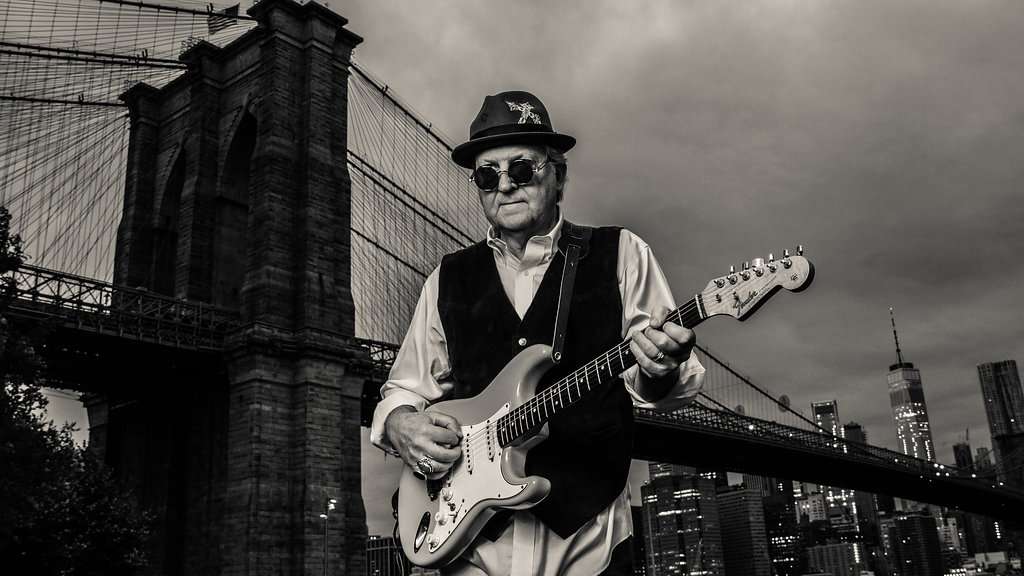
DownTown Mystic has spent decades building a career around the things that first made rock and roll exciting: great songs, strong musicianship, memorable grooves and the unmistakable character of a real recording. From discovering The Beatles as a young musician to working with accomplished players and seeing his music placed in television and film, the songwriter and producer has continued to evolve without losing his connection to the sounds that shaped him.
His latest single, “Maybe Love’s A Crime,” shows another side of that evolution. The song moves away from the guitar-heavy sound many listeners associate with DownTown Mystic, instead finding its groove through a shuffle, piano and the chemistry of musicians including Paul Page, Steve Holley and Jeff Levine. It is a reminder that even an artist with such a defined musical identity can still find new ways to approach a song.
In this interview, DownTown Mystic talks about discovering music through The Beatles, the story behind “Maybe Love’s A Crime,” his fascination with vintage recording techniques, and the lessons he has learned from working alongside some remarkable musicians. He also discusses his growing success in sync licensing, the evolution of his sound, his creative process, and what listeners can expect from the projects leading into 2027.
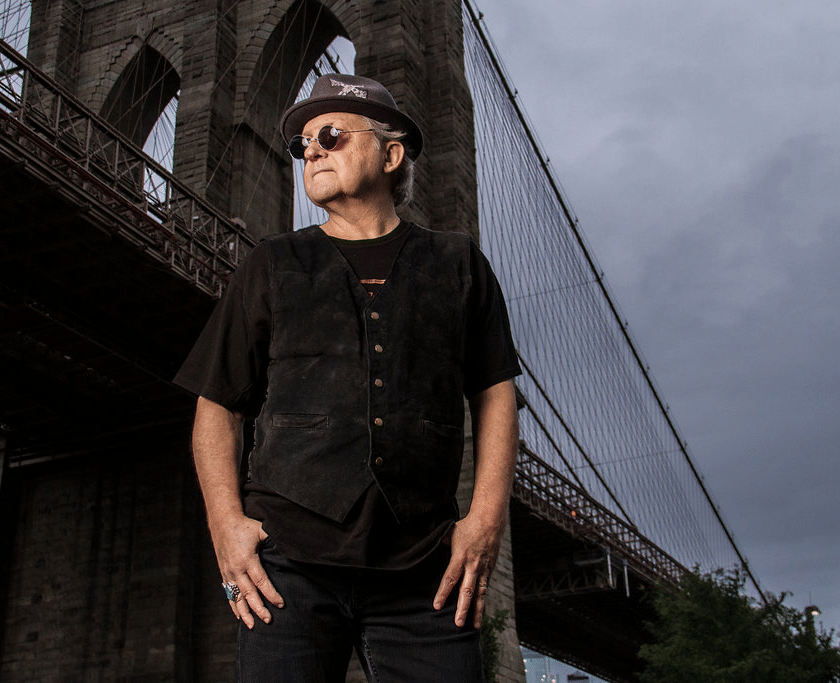
First of all, tell us about yourself and how you got into music. What were some of the records, artists, or experiences that first made you want to become a songwriter and musician?
The radio was always on in my house and I constantly heard music. I would sing in the street with my friends, teaching them the songs. I was bitten by the rock’n’roll bug, buying and listening to the records of the day. My mother bought me a guitar and lessons for my birthday when The Beatles hit the scene. Like most kids of my generation, The Beatles changed everything and I couldn’t get enough of them. As soon as I learned chords, I started writing songs and playing in bands. Music was my life. When one band ended, another one started. It was a great time. By the time I got to college, I wanted to be a professional and got my first production and publishing deals in my sophomore year.
“Maybe Love’s A Crime” is described as a surprising departure from what people might expect from DownTown Mystic. What inspired you to take the song in this direction, and what made you feel it was the right time to explore something different?
I tried recording the song a few times but it just seemed to be missing something. I needed to find the right groove and decided a shuffle would probably be the best way to go. Luckily, I had Paul Page on the session playing bass. He had played with RnR legend Dion and suggested a shuffle ala Dion. I’m a big Dion fan, and as soon as Paul said his name, I knew what he meant. Also luckily, I had drummer Steve Holley on the session and he knows his shuffles. Steve and Paul locked in right away and cut the basic track in one take! The next step was adding a piano.
Again, luckily, I had veteran Jeff Levine to record piano on the track. That is the real direction for the song. I’m known for guitars, but I knew I wanted a piano on the song, and I had a feeling Jeff would know what to play. What I didn’t know was just how perfect Jeff’s part would be and how it would define the track.
The title “Maybe Love’s A Crime” immediately raises questions. What is the story behind the song, and what does that phrase mean to you?
I’m not exactly sure what the phrase means but it’s a great title! It makes you want to hear the song just to hear how the line will be used, you know what I mean? I wrote the song on piano with my cousin Gordon helping with lyrics. We were kind of writing the song one line at a time, creating the story as we went along. The guy in the song is in love with this girl and gets so frustrated that she can’t or won’t love him back, that he tells her that maybe she thinks it’s a crime to love somebody. I don’t remember how we came up with the line. It sounds like something Gordon would say. LOL
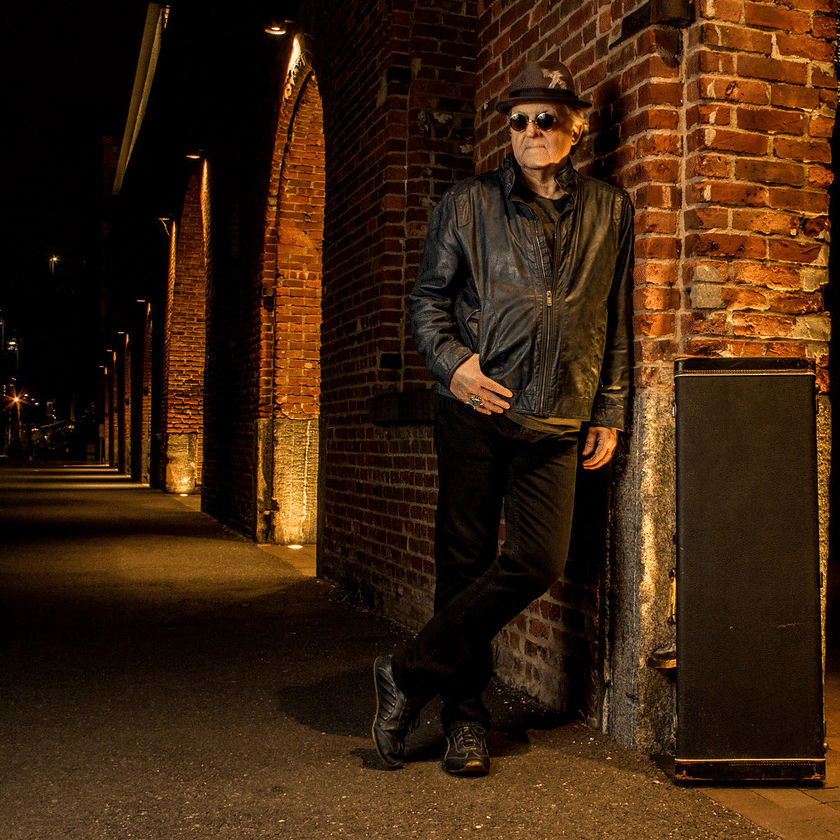
DownTown Mystic has been described as “vintage yet modern,” with influences ranging from Tom Petty and Bruce Springsteen to Buffalo Springfield and Rockpile. How do you keep those classic influences present in your music without simply trying to recreate the past?
It’s not something I have to think about. I have all these influences because I’m a huge fan of great music. If you saw my music collection you would see all these great mainstream acts. Back in the day, there was no underground scene. An artist had to compete with everything that was out there. That’s how all this great music was made. If you were mediocre you didn’t last, and if you didn’t have your own sound, nobody paid attention. I try my best to have my own sound and identity. I use my influences to give an impression of familiarity without ripping anyone off.
You have described your passion for old-school recording as almost an obsession. What is it about vintage recording techniques, guitars, analog equipment, and the sound of classic records that continues to fascinate you?
It’s what I grew up with. I loved buying records to hear the music that would get under my skin. I became a musician and was playing all the time. Guitars were a part of my life. As I got older and began to record, I loved being in the studio and wanted to know how to get the sounds on tape. The more I got into it, the more I wanted to do it. Now I can lean on all those influences to help get the sounds.
You have worked with some remarkable musicians, including Steve Holley, Paul Page, Max Weinberg, and Garry Tallent. What have those collaborations taught you about musicianship, recording, and the importance of chemistry in a rock and roll band?
I’ve learned so much from playing with all of them. They’re all great musicians and each one of them brings something different to a session. Watching how they work together is an experience in chemistry. They can give each other a certain look or glance and they know where to go with a change in an instant. It’s so cool to watch! I feel very blessed to have had the opportunities to witness things very few people get to see. I’ve learned the importance of the groove and the performance on a take from these guys.
DownTown Mystic has become one of the more heavily sync-licensed artists in rock, with music appearing across television and film, including The Voice and American Pickers. From a professional standpoint, what has that side of your career meant to you, and how has it affected the way you approach writing music?
Professionally it’s been the biggest thing that’s happened in my career. It was not something that was even on my radar, so it’s the biggest gift I ever got. As far as my writing goes, it’s not something I think about. I just do what I’ve always done and once the songs have been released, then I offer them for syncs.
After the Mystic Highway Road Trip EP and now “Maybe Love’s A Crime,” how do you feel the DownTown Mystic sound has evolved? Are you becoming more willing to take risks with the music as the project develops?
It’s evolved as I’ve grown as a writer and producer. I think I’ve allowed my influences to come out more and it’s helped my production choices. I’m willing to take more risks because of it. “Superstar” on Mystic Highway Road Trip was just a guitar track and needed something extra. I was listening to the drums on the solo and Elton John popped into my head. I was a big fan and remembered how I saw him jump up from the piano and start strutting across the stage to the same kind of groove I was hearing on the track.
I never thought of Elton in all the years of playing “Superstar”, but once I did, I decided to take it even further. I asked Jeff Levine to play a piano part like Elton would and then I created background vocals in Elton’s style. It totally changed the track into “Superstar (To Sir Elton With Love Mix)”.
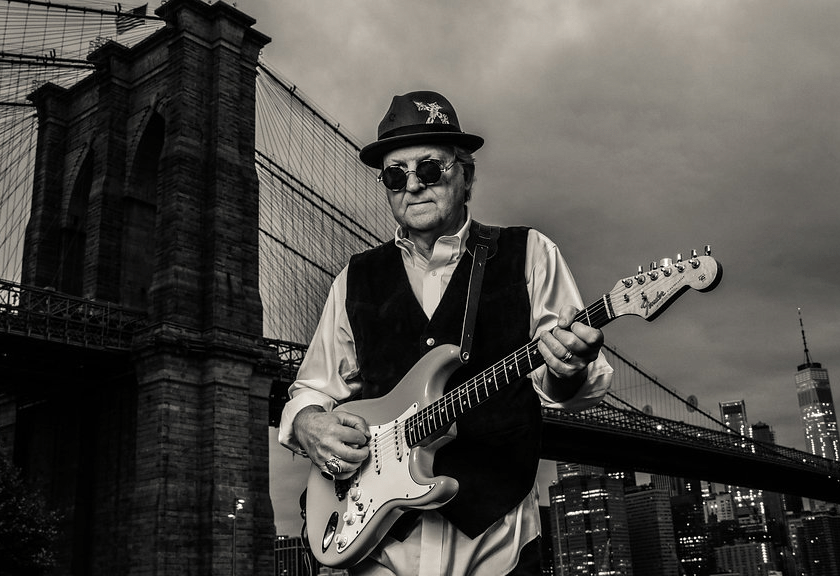
You have carried the DownTown Mystic project for many years while remaining deeply involved in the writing, recording, and production process. What keeps you creatively hungry, and where do you find the stories and ideas that eventually become songs?
I have no idea where the stories come from. I’ve always had a vivid imagination. I’m an only child, so I kept myself entertained with my imagination and it helped me to develop it. I’ll be watching a movie and there will be some dialogue that will catch my attention, and I’ll make a mental note of it and file it away. At some point I’ll come back to it and develop something from it. I never know what I’ll write. I just try to be open and let the muse work its magic.
As “Maybe Love’s A Crime” opens this next chapter for DownTown Mystic, what can listeners expect from you next, and are there any musical directions or projects you are particularly excited about exploring?
I’m in a creative period right now. I’ve been in the studio mixing songs for upcoming projects, including an R&B Pop side project that has nothing to do with DownTown Mystic. It goes back to a time when I started my publishing company, writing songs intended for other artists. Leon Zervos just mastered a batch of the songs and I’m excited to have them finally released sometime next year.
Coming up for DownTown Mystic is the “Maybe Love’s A Crime” Single, followed by this year’s Holiday release, “On E Street Remix – The Album”. That comes out on Black Friday November 27 and has 6 new mixes to go with the EP that was released back in April. That will put that project to rest and clear the way for 2027, which will start with the “I Don’t Know” single on January 22. If you think “Maybe Love’s A Crime” is different, wait until you hear this one. Stay tuned!
CONNECT
WEBSITE | FACEBOOK | X | SPOTIFY | SOUNDCLOUD | YOUTUBE | INSTAGRAM