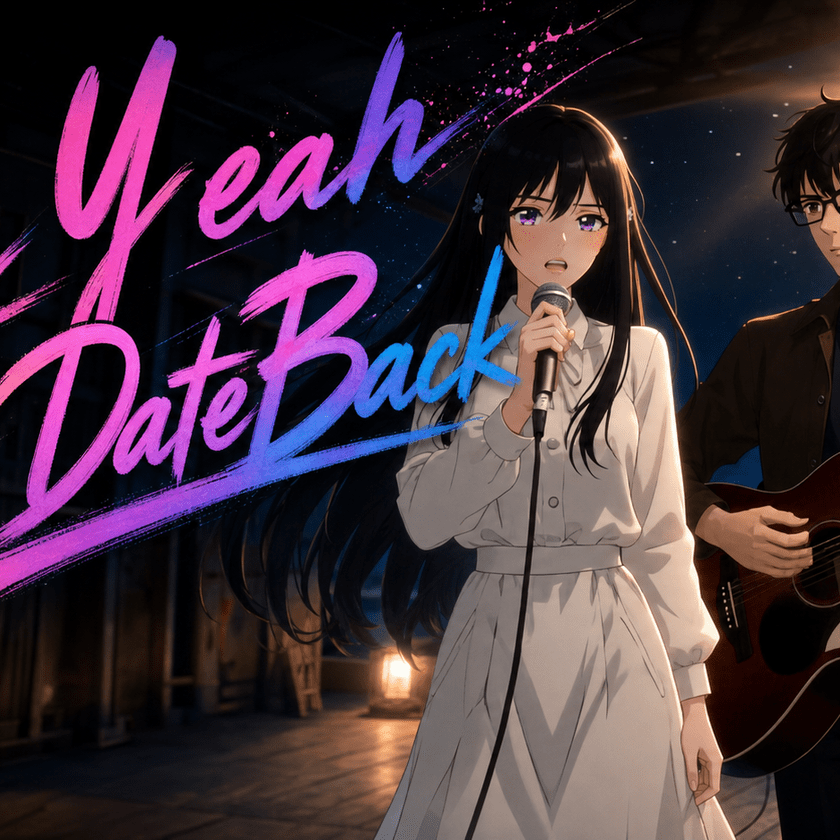
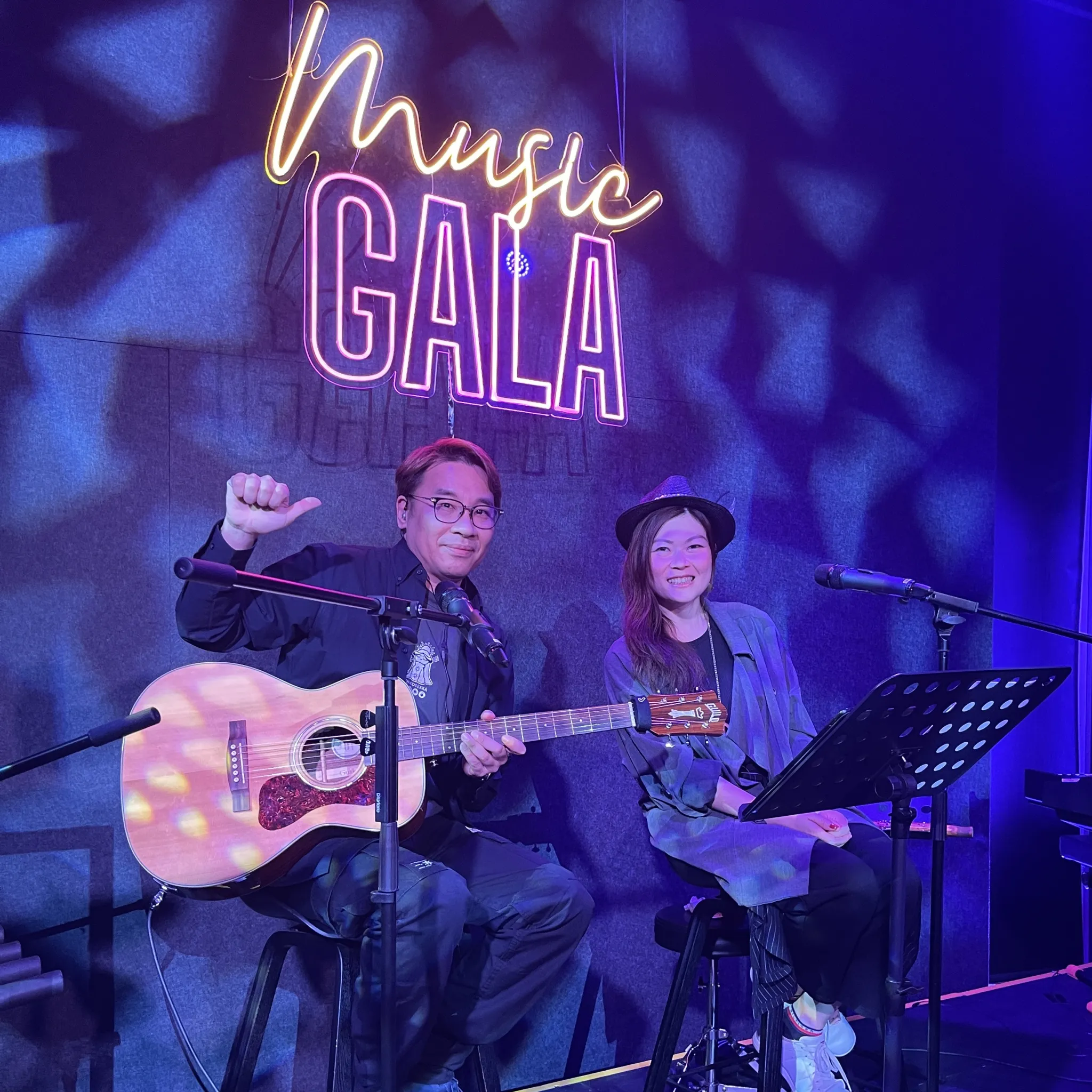
There is something timeless about returning to a song years after it was first written and suddenly hearing possibilities that were invisible the first time around. For Carpe Diem, that process sits at the heart of “Oh Yeah Let’s DateBack,” a track that carries the spirit of an earlier creative chapter while finding its place in the duo’s evolving musical world.
Built around Spanish guitar, expressive vocals and playful percussion, the song turns nostalgia into something warmer and more physical. Its Latin-inspired character gives the track a sense of movement, while the contrast between Keith’s guitar and Ada’s soaring vocals creates an intimate musical dialogue. Yet beneath the infectious rhythm is a deeper idea about revisiting the past, rediscovering forgotten inspiration and recognising that some creative moments are worth giving a second chance.
For Carpe Diem, songwriting is rarely rushed. Their music grows through observation, conversation, repeated listening and careful refinement, with Hong Kong providing both the backdrop and the breathing space for their creativity. Their collaboration with musicians such as Alexander Shirazee and Bryan Kam has further expanded that intimate foundation, allowing spontaneous ideas and unexpected arrangements to become part of the final sound.
In this conversation, Carpe Diem take us inside the story of “Oh Yeah Let’s DateBack,” from its origins and delayed release to the role of improvisation, the creative influence of Hong Kong and the balance they continue to find between simplicity, emotion and musical depth.
Oh Yeah Let’s DateBack revisits a song from Carpe Diem’s earlier band days. What inspired you to bring this particular song back now, and how has its meaning changed for you since it was first written?
We have always wanted to complete the production of every song we have written. This particular track did not sit comfortably alongside the style of our previous album “Dream Odyssey” , so we decided to hold it back until the right moment presented itself. (Our previous album: ffm.to/rr2jwd7?f…EoYeQ)
The song explores second chances and the lingering magic of moments that may have been overlooked. Was there a specific experience or period in your lives that shaped the emotional core of the lyrics?
Whenever we revisit songs from earlier periods, we are often struck by a sense of surprise — a feeling of “how did we know how to do that then?” Certain flashes of inspiration from the past may never truly become part of one’s own repertoire unless one returns to them and looks again.
Carpe Diem’s music often feels like a cinematic journey, where the listener is invited to reflect on life, relationships, and the choices we make. How do you approach storytelling when writing songs together?
We draw inspiration from everyday life and then share those ideas with each other, considering which of them might find expression in a song. The creative process tends to be unhurried. Once a demo is complete, we listen repeatedly and reflect carefully, sometimes adding new ideas and at other times removing elements that are already in place, always seeking the most fitting way to present the finished work.
The Spanish guitar gives Oh Yeah Let’s DateBack a passionate Latin-inspired character while still retaining the accessibility of folk-pop. What drew you toward this particular musical combination?
The original guitar introduction already carried a distinct Spanish-guitar quality; it immediately suggested Latin dance. We therefore followed that direction during production. To prevent the arrangement from becoming too predictable, we introduced a playful element in the central section where guitar and percussion interact. In the latter part of the song the lead vocal incorporates more expressive twists and higher registers, enriching the overall texture while still preserving the essential Latin character.
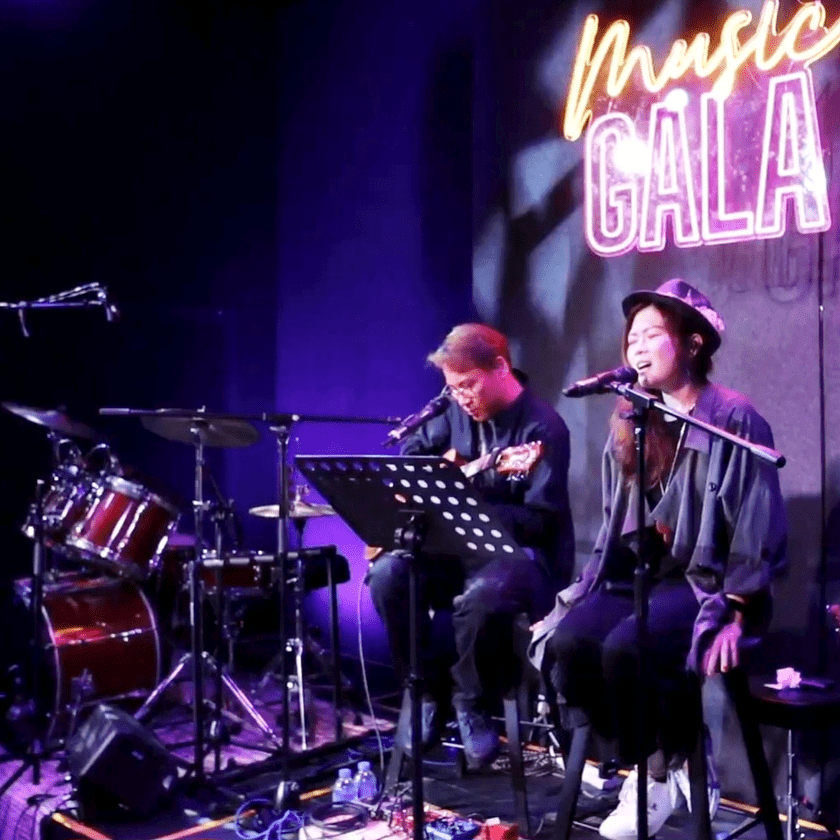
Keith’s Spanish guitar lines and Ada’s soaring vocals create a striking contrast between intimacy and expansiveness. How do you decide where the guitar and vocal should lead each other within a song?
The initial demo did not include any dialogue between the vocal and the guitar. We added the guitar part specifically to retain the Latin flavour. The result creates the contrast you describe — almost a form of call-and-response, or even a duet. At times one can almost hear Keith speaking through the guitar.
The percussion arrangement developed through spontaneous jamming sessions with Alexander Shirazee. How important is improvisation to Carpe Diem’s creative process, and have some of your most memorable musical moments come from things that were never planned?
Our collaboration with Alexander Shirazee has been a genuine pleasure. We have worked together on several songs and have also shared the stage. The most memorable moments, however, have been the spontaneous improvisations during live performances — experiences that are impossible to recreate exactly.
Recorded at Yeah Studio in Hong Kong, the song has a warm and organic atmosphere. How did the environment and creative energy of Hong Kong influence the sound or emotional character of the recording?
Hong Kong has long provided the nourishment for our creativity. As the song’s title suggests, we do “date back”: both the good days and the difficult ones from the past can become sources of inspiration. Life in Hong Kong is fast-paced and often stressful; arriving at Yeah Studio, however, allows our musical world to become a place of calm. Had we not been living here, we might not have come to value that sense of relaxation quite so highly.
Bryan Kam contributed bass, sound effects, mixing, and mastering, helping shape the song’s cinematic framework. What did you discover about the song during the production process that you might not have heard when it was first written?
Bryan Kam is a valued partner to Carpe Diem and frequently offers insightful suggestions during production. Oh Yeah Let’s DateBack originally had no bass. Instead, Bryan contributed a rhythm-guitar part. We felt that having two guitars, each played by a different person, would create a more three-dimensional sound — an idea that had not occurred to us at the outset.
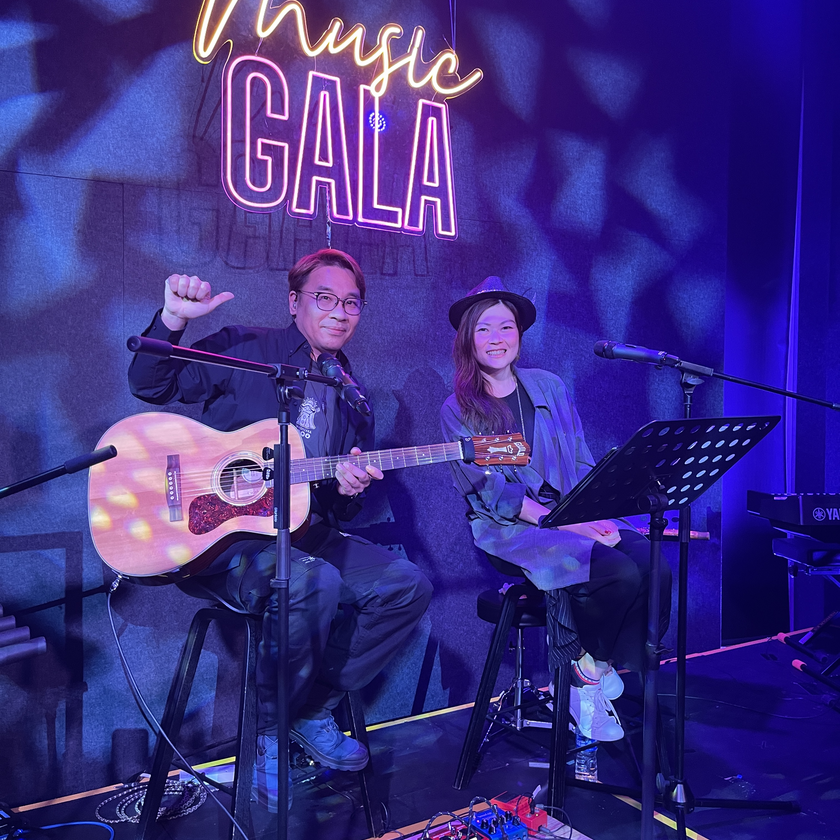
As a two-piece built around guitar and vocals, Carpe Diem has a deliberately intimate foundation. Do you ever feel that having fewer instruments gives you greater freedom to communicate emotion and meaning through the smallest musical details?
If a single is arranged too elaborately, much of its emotional impact can be lost in a live setting. Conversely, restricting every track to a single guitar and voice alone can become overly sparse. We therefore aim for a balance somewhere in between. This approach was not something we consciously set out to develop, yet it has gradually become one of our defining characteristics.
Beyond Oh Yeah Let’s DateBack, what do you hope listeners ultimately take away from Carpe Diem’s music, and what kind of story or reflection would you like your songs to leave with them after the final note?
We hope listeners can relax and release stress — Most of our songs tend to evoke a sense of calm. Oh Yeah Let’s DateBack, however, offers a different kind of relaxation: the kind that makes one want to dance rather than drift off. Ultimately, we hope that after hearing our music people will experience a degree of ease and release, each in their own way. — Most of our songs tend to evoke a sense of calm. Oh Yeah Let’s DateBack, however, offers a different kind of relaxation: the kind that makes one want to dance rather than drift off. Ultimately, we hope that after hearing our music people will experience a degree of ease and release, each in their own way.