
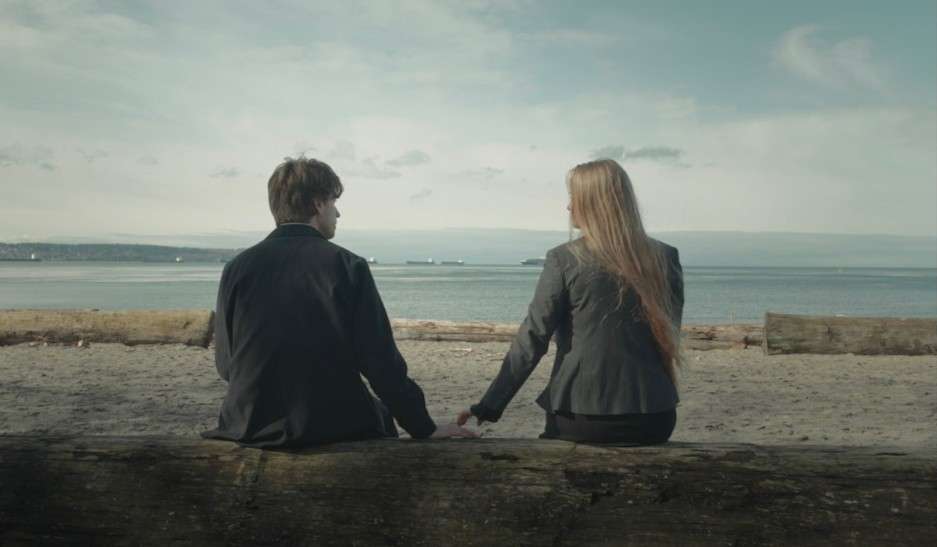
When Toronto singer-songwriter and filmmaker David Jane unveiled “Ambleside,” the five-track EP illustrated how independent artists can transform deeply personal narrative arcs into expansive, cinematic soundscapes. Conceived in the disorienting aftermath of a transformative year at Vancouver Film School, the project captures some poignant themes of memory and suspended time anchored in West Vancouver’s Ambleside Beach.
In today’s shifting music discovery landscape, Jane proves that emerging visionaries can craft ambitious and cohesive multitrack records entirely outside the confines of major-label machinery. Rather than relying solely on his bare acoustic arrangements, Jane teamed up with producer Sam Arion to surround his folk-inspired chord progressions with ambient synths and ocean swells. This demonstrates how collaborative engineering can shape a distinct artistic identity.
Across “Ambleside,” and particularly on the title track’s meditative four-chord progression, Jane’s rustic fingerpicking merges seamlessly with expansive atmospheric textures and coastal field recordings that Arion provided. This deliberate acoustic-electronic balance provides necessary narrative breathing room while grounding the record’s sense of longing.
Another artist who displays this distinct, original intent and has achieved successful collaborations is Clairo, who began self-releasing covers online as a 13-year-old. She has since signed a contract with an indie label and collaborated with Guernsey-born electronic producer Mura Masa.
For emerging artists motivated by those mentioned and navigating today’s crowded online streaming landscape, bringing in an outside producer or skilled co-creator is a vital production priority. An experienced collaborator introduces a creative and professional direction, providing a critical ear to tracklists, polishing complex song structures, balancing dynamic frequencies and establishing overarching sonic cohesion.
Ultimately, this shared creative discipline can transform grassroots bedroom demos into richly textured, professional records that resonate with international audiences while preserving the songwriter’s raw intimacy. Take Maine-native indie artist Role Model, whose popularity has grown since his 2017 self-released debut EP, “Arizona in the Summer.”
Translating Creative Ambitions Into SMART Milestones
Creative ambition often collides with financial realities. That’s why prudent musicians map out recording and promotion costs by establishing specific, measurable, attainable, relevant and time-bound SMART financial goals. That gives them a clear roadmap to ensure solvency in independent projects and creativity in operational milestones, from preproduction to launch. Self-funding an indie release entails navigating substantial overheads, including studio lockouts, audio engineering, promotional campaigns, press outreach and video visualizers.
Without rigid fiscal parameters, unexpected production overruns can accumulate quickly and exhaust marketing resources before a record even drops. Emerging artists who establish clear fiscal targets can build sustainable career momentum while avoiding crippling debt. By defining measurable milestones and aligning savings with production deadlines, self-releasing creators ensure that every allocated dollar delivers tangible returns for their release.
A successful independent drop begins months before release day. Establishing a disciplined, multistage timeline minimizes such oversights. Locking in finalized mastering submission three to six weeks before launch allows adequate runway for any processing, pitching and promotion.
Uploading final audio and metadata to digital distributors three to four weeks in advance is ideal to ensure seamless delivery across streaming platforms while granting artists crucial access to native pitch tools, such as Spotify for Artists. By adhering to structured operational checkpoints, independent acts maximize initial discovery and establish durable momentum. When emerging musicians rush their release schedules, they can inadvertently forfeit vital algorithmic and editorial opportunities across major digital service providers.
Creative Asset Ownership and Post-Release Momentum
Maintaining complete independence requires safeguarding artistic assets by registering the underlying musical composition and final master recordings with national copyright offices and collection agencies.
In the modern music ecosystem, every song comprises two distinct intellectual property rights. The composition encompasses the underlying melody and lyrics, and the sound recording represents the tangible master performance. Early navigation of these administrative foundations shields artists from potential infringement disputes and secures rightful earnings across streaming and mechanical formats.
Independent musicians should prioritize timely rights administration to improve royalty collection and protect ownership. Copyright registration can create a public record and support enforcement options, while royalty collection often requires separate registrations with the appropriate organizations for performance, mechanical, streaming or neighboring-rights income. By organizing these steps early, self-releasing artists can reduce the risk of missed payments and better position their catalog for sync licensing, streaming revenue and long-term earnings.
Once an independent artist has navigated the logistical terrain of initial releases and their legal ownership, a need to sustain the release’s momentum becomes paramount. Because modern streaming reward systems favor continuous listener activity, rolling out focus tracks on a steady cycle keeps algorithmic discovery tools like Spotify’s Discover Weekly and Release Radar actively serving songs to prospective listeners. Rather than exhausting all promotional energy on drop day, indie creators can sustain post-launch engagement by staggering key singles before and after the full record’s release.
David Jane exemplifies this sustainable promotional architecture by leveraging his background in cinema to expand his project’s sonic world. Pairing introspective compositions with atmospheric short-form films and evocative visualizers enables him to transform stand-alone tracks into cohesive multimedia experiences.
For independent acts operating without commercial label budgets, merging consistent release pacing with compelling visual storytelling creates durable touchpoints that capture international audience attention. This drives steady, organic streaming growth across global platforms over time.
The Independent Blueprint in Practice
David Jane’s “Ambleside” proves that when cinematic songwriting pairs with methodical release logistics, musical artists can craft indie EPs that continue resonating with international audiences without surrendering creative autonomy. Compelling compositions and atmospheric production establish an artist’s identity, yet longevity requires the ultimate operational discipline.
Pairing creative projects with structured timelines, realistic financial milestones and administrative diligence allows self-releasing musicians to bridge passion and commerce. Jane’s journey demonstrates that strategic foresight ultimately transforms fleeting inspiration into a viable, lasting career that cements a place in the evolving music industry.