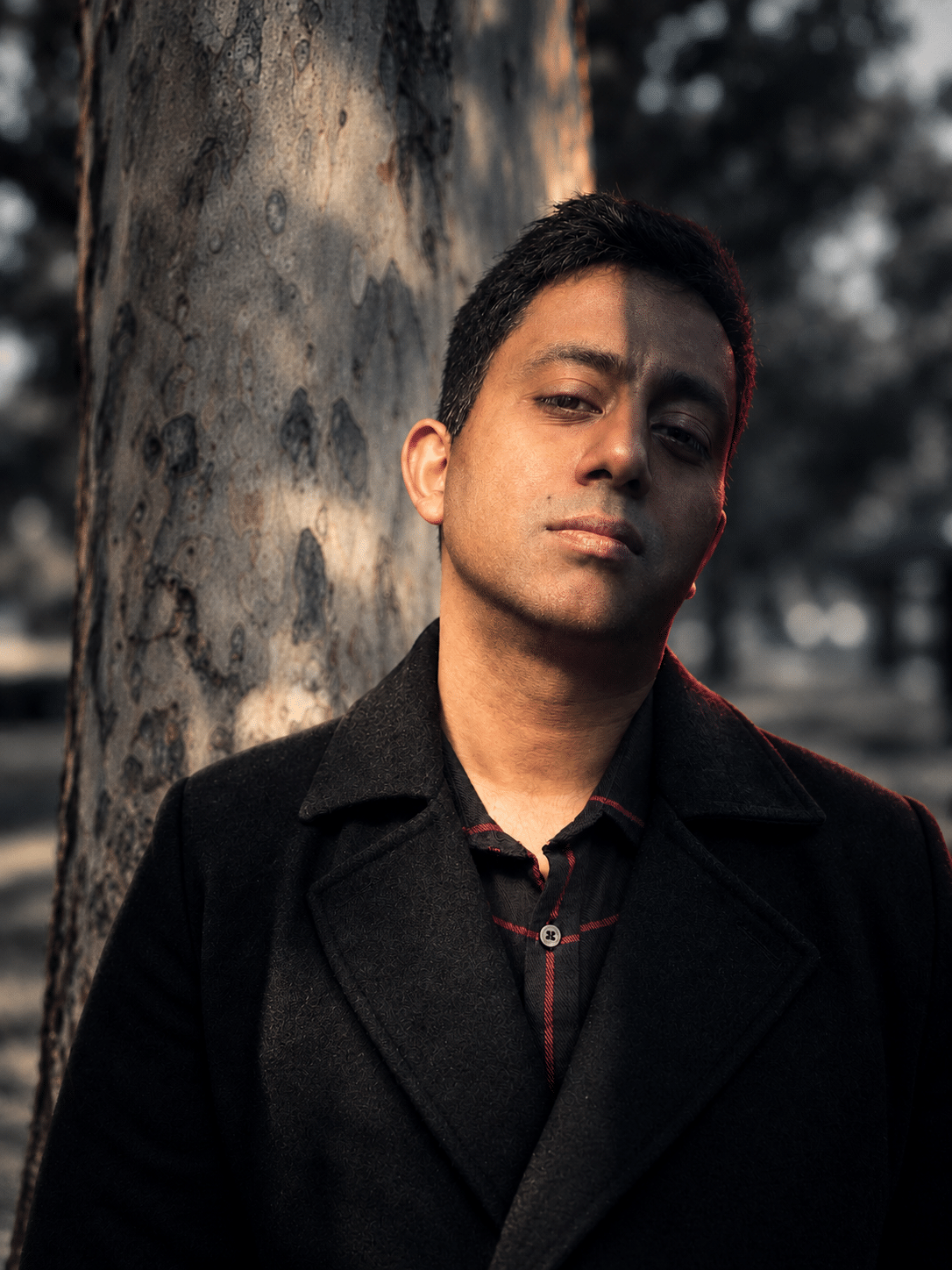
After years of performing with his band Mystery, playing more than 150 live shows, Roger K is now enjoying the freedom to explore his own sound as a solo artist. His musical journey has taken him through different styles and influences, and that variety is something he continues to embrace in his own work.
His latest single, “Alter Ego,” touches on something many of us experience but rarely talk about openly: the habit of acting differently around people just to fit in. The song came from his thoughts about the masks we wear at work, in social settings, and even in close relationships. But as Roger K explains, letting those masks down is not always easy. Sometimes, being accepted for who we really are can leave us feeling more exposed than we expected.
What makes “Alter Ego” interesting is the way he pairs this personal subject with the groove of 90s UK garage, adding modern production touches to give the track its own character. Roger K also draws inspiration from a wide range of music, and he is more interested in telling a story that connects with people than sticking to one genre.
In this interview with Spinex Music, Roger K opens up about the experiences behind “Alter Ego,” his years as a live performer, the ideas that shaped the song’s sound and visualiser, and what it means to make music that people can connect with in their own way.
To begin, could you tell us about your journey into music and how your experience performing more than 150 live shows helped shape your identity as a solo artist?
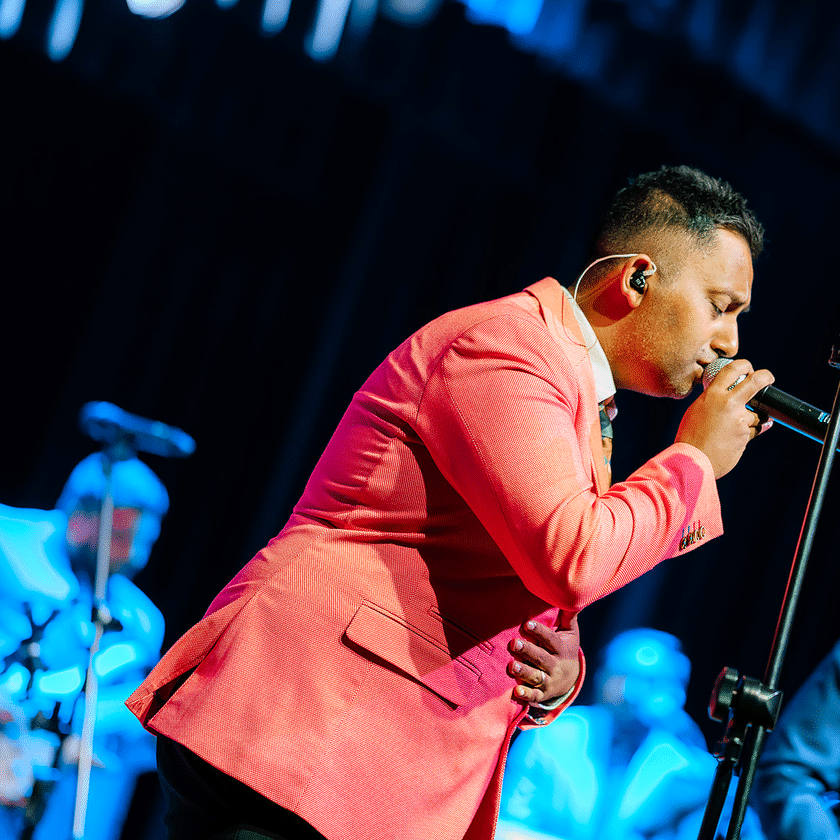
I spent around 15 to 20 years as the frontman of my band, Mystery, performing more than 150 shows and playing music across a pretty broad range of styles. Even though it was a Sri Lankan band, I learned a lot as the English frontman, learning about music spanning the 60s through to today, as well as some Sri Lankan music.
Performing live teaches you things you can’t necessarily learn in a bedroom studio. You learn how to read a room, connect with people and understand what makes a song resonate beyond the music itself. You stop chasing perfection in your notes and rather focus on the vibes in the room.
Going solo has given me the opportunity to take those experiences and explore my own ideas more freely. I can experiment with different sounds and tell stories, some personal and some observational, without feeling restricted to one particular style. Ultimately, I want to make music that connects with people, whether that’s through a danceable beat, a strong vocal or something in the lyrics that makes them stop and think.
Your new single, “Alter Ego,” explores the masks people wear to meet society’s expectations and the vulnerability that comes with letting those masks down. What first inspired you to explore this idea through music?
I’ve known people all my life, myself included, who wear a mask. Think about when you go to a job. Are you really your true self? And if you are a workaholic, how often are you not yourself? Do you lose yourself? Or when you go to a party where you don’t really know people, you put on a front to look “approachable”. Who are you then?
What really interested me was the contradiction in that experience. We often want to be accepted for who we really are, but when we finally get the opportunity to let our guard down, it can feel incredibly uncomfortable. It’s like when you fall in love or when you’re with a really close friend. There will be times when you search for that alter ego, the way you were, because of the comfort it creates.
That’s the central idea behind Alter Ego. It’s not necessarily about a relationship breaking down or something going wrong. It’s about reaching a point with someone where you no longer feel the need to hide behind your usual persona, and then realising just how exposed you feel without it.
You mentioned a conversation with a health and safety representative that got you thinking about masking and mental health. How did that conversation influence the direction of the song, and how did you approach the subject without losing its personal and emotional meaning?
I had a conversation with a health and safety representative at work about mental health and the idea of masking, particularly in the context of autism and how some people feel the need to hide aspects of themselves to fit in.
It got me thinking about how widespread that experience might be, even among people who wouldn’t necessarily describe what they’re doing as masking. We adapt our behaviour, try to meet expectations and sometimes suppress parts of ourselves because we’re worried about how others might perceive us.
What struck me was that taking the mask off isn’t always an entirely comfortable experience. We tend to think of being your authentic self as an automatically positive thing, but what happens when you’ve spent so long protecting yourself that being vulnerable feels almost unnatural?
I didn’t want to turn the song into a lecture about mental health or try to explain everyone’s experience of masking. Instead, I wanted to explore that feeling through a particular emotional moment. The song leaves room for people to interpret it through their own experiences, whether that’s autism, relationships, work or simply the pressure to be the person everyone expects you to be.
For me, that’s what makes the subject meaningful. It’s a personal idea, but one that I think a lot of people can recognise in themselves.
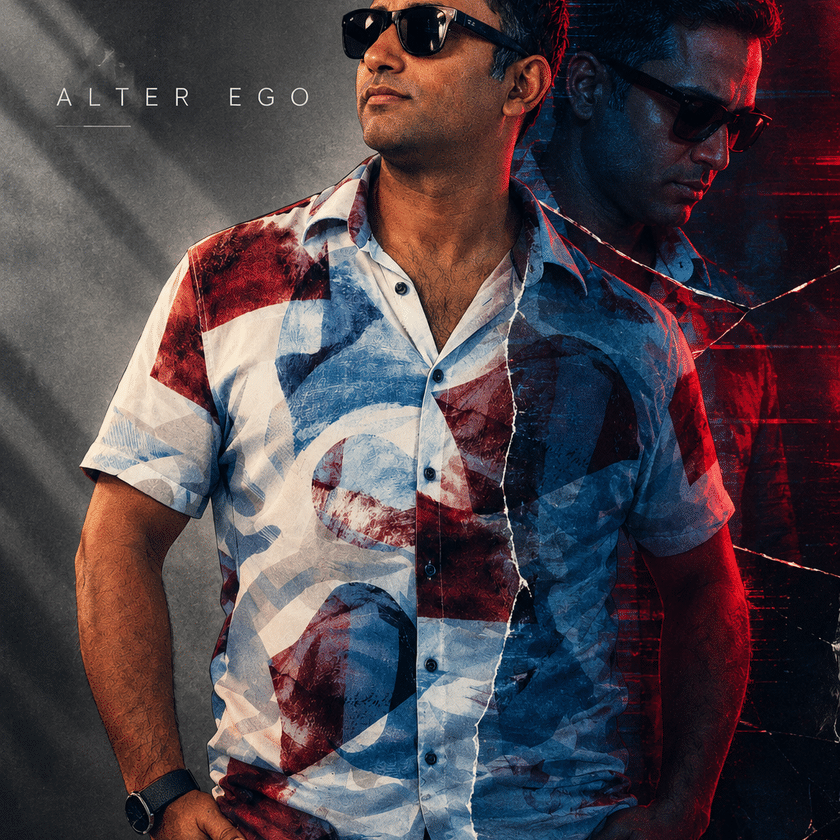
Musically, “Alter Ego” draws inspiration from 90s UK garage, particularly Artful Dodger and Craig David, while incorporating modern production ideas. What is it about that era of garage music that continues to appeal to you, and how did you bring those influences into your own sound?
I’ve always loved the combination of rhythm, melody and soul that you get from that era of UK garage. Specifically, Artful Dodger and Craig David created music that had a real sense of movement I hadn’t heard before in what I thought was R&B music, but later learnt was UK garage. It was one of my very first albums, and something that would be on repeat.
That’s something I wanted to bring into Alter Ego. I love music that makes you move, but I don’t want the production to overshadow the song itself. There’s something special about having a groove that immediately draws you in while giving the vocals enough space to communicate an emotion.
At the same time, I didn’t want to simply recreate a 90s garage track. I’m interested in taking elements that I love from different eras and finding a way to make them feel relevant to what I’m doing now.
For Alter Ego, the garage influence provides the foundation, while the more experimental production gives it a darker and less predictable character. It’s my interpretation of those influences rather than an attempt to reproduce a particular sound.
You also mentioned contemporary influences such as Fred again.. and the reverse warps heard in Don Toliver’s “E85.” How did you experiment with these production elements, and what did they add to the final track?
Fred again.. was a little subconscious, haha. Someone mentioned the vocal panning from one side to another, saying it sounded like Fred again.., and I kind of went, “Oh yeah, I guess that’s true!”
One of the things I enjoy about producing my own music is being able to experiment with sounds that might not traditionally belong together.
The reverse-warp elements in Don Toliver’s E85 were particularly interesting to me because of the way they can distort the listener’s sense of timing and anticipation. I remember that reverse kick giving me an odd sense of pressure in my headphones. It’s the kind of thing you would normally mix and master out, but I got such a rush from my ears being sonically sucked into that sound, and it was so memorable. You get these moments where the sound seems to pull you forward, creating tension before the beat settles back into place.
I wanted to explore that kind of effect in Alter Ego, using the production to create moments that feel slightly unsettling without losing the groove.
That contrast was important because the subject matter isn’t entirely comfortable. The song is about the tension between wanting to let go and feeling vulnerable when you do. I liked the idea of having a beat that invites you in, but with little details that make the listening experience less predictable.
Those production choices also helped me move away from making something that sounded like a straightforward throwback to UK garage. I wanted the track to have its own identity, with the familiar elements providing the foundation and the more experimental touches giving it a contemporary edge.
The song explores the contradiction of wanting to let go of a protective mask but feeling exposed when it disappears. How did you translate that tension into the lyrics, vocals, and overall mood of the track?
The most important thing for me was understanding that the character in the song isn’t necessarily unhappy about losing the mask. There’s a sense of connection that allows them to let their guard down, but that creates a different kind of fear because they’re no longer relying on something they’ve become accustomed to.
It’s almost like you’ve spent so long wearing armour that, when you finally take it off, you don’t know what to do with yourself. Even though the armour might have been restricting you, its absence can make you feel naked.
It’s a feeling we all have, being naked and afraid. And for those who are neurodivergent, I can’t imagine the anxiety of having to mask and then the anxiety of letting yourself be free. The lyrics express that desire to return to something familiar, even when you know that being without the mask might allow you to connect with someone more genuinely.
Vocally, I wanted to preserve that sense of vulnerability rather than making everything sound overly polished or emotionally detached. The production has energy and movement, but the emotional centre needs to remain human.
I also liked the contrast between the danceable garage rhythm and the more introspective subject matter. You can enjoy the track on a purely musical level, but if you listen more closely, there’s another layer to it. That balance between movement and vulnerability is a big part of what makes Alter Ego feel like my own track.
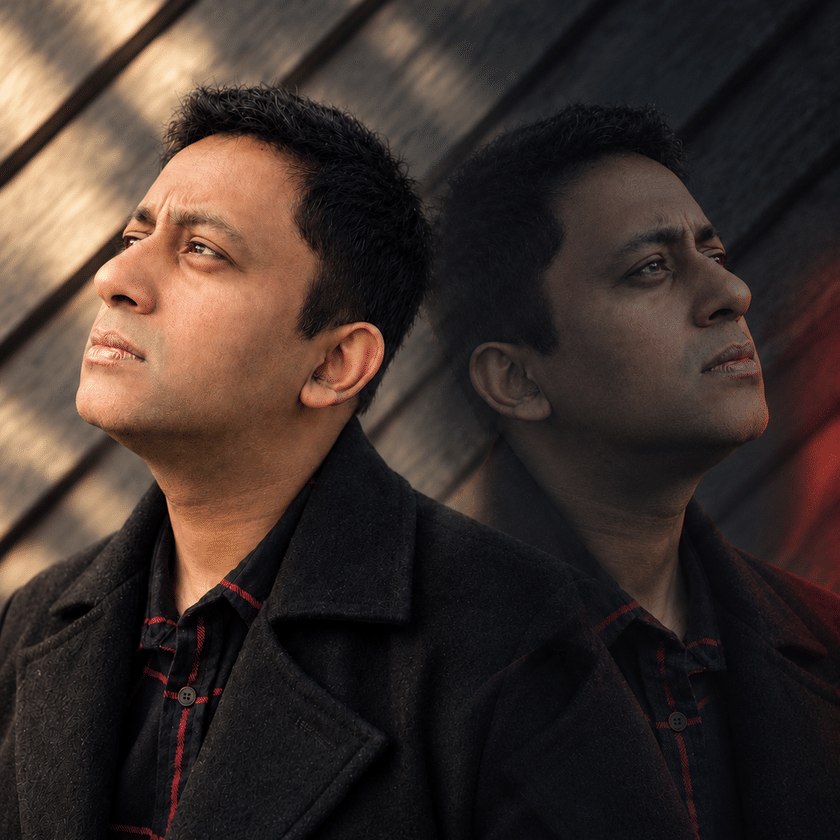
You created an understated visualiser to accompany “Alter Ego,” allowing the emotion and meaning to take centre stage. What was the creative vision behind the visualiser, and how did you decide which moments or images would best communicate the song’s message?
I played for so long with what would be a great visualiser. Initially, I had this idea that would look super cool, with Venetian masks in different orientations, and I even had half a storyboard complete. But something in me wasn’t quite fulfilled with the idea. It was cool in terms of a pop aesthetic, and if I pulled it off, it probably would have been amazing, but then I thought, why not keep it simple?
Then I started thinking about line drawings, and instead of line drawings, I started thinking about the perfect shape: a circle. What if we were all circles? We needed to be perfect, act perfect and present ourselves perfectly in our work and at home. But what if underneath we are all shapes with lines and edges, and it’s not all the same? We are different.
That really simple concept excited me way more than a fancy Venetian mask idea or some crazy music video. I love creating music visuals that communicate a story simply. They’re understated, but they connect with people.
I tend to think of the visual side of my music as another part of the storytelling process. It doesn’t necessarily need to illustrate every lyric. Sometimes an image, a particular atmosphere or a moment of contrast can communicate something that would be difficult to explain directly.
Ultimately, I want the visual elements of my music to enhance the listening experience. They should add another dimension to the song, rather than simply functioning as something to watch while the music plays.
Your music spans several styles, including R&B, classic reggae, Afrobeats, and cinematic trap. What inspires you to move between different genres, and how do you maintain a recognisable identity while experimenting with such varied sounds?
This kind of goes back to my roots in gigging. I have a genuine appreciation for many styles of music, and performing songs from the 60s to today in a cover band gives you a whole new appreciation for music.
My father also taught me a lot about older styles of music and what to listen for, including why certain melodies resonate with him the way they do. Then I listen to the Afrobeats of today, which is dominating the world, and I develop an appreciation for it.
It’s not young music and it’s not old music. It’s just music that tells stories. So, for me, genres are actually not good. They facilitate people’s listening experiences, but from a creative standpoint, they stifle opportunity and creativity in your music.
What I would rather focus on is personal stories, observational stories, and delivering that music in a way that is focused on you, so that YOU can feel something. Bono famously said that it’s like looking outside the window on a rainy day, but when the music plays, all you see is sunshine. For me, music has to change your mood or resonate with it, because those moments are memorable.
Identity is something I do struggle with. I suppose if you are putting me in a bucket, I’m an R&B artist with Latin and Sri Lankan beats in the back of my brain, and a very diverse palate. Maybe that’s not good for the commercial market, but right now I’m enjoying being eclectic and exploring different avenues. I want people to recognise the intention and personality behind my music, even when the sound changes from one release to the next.
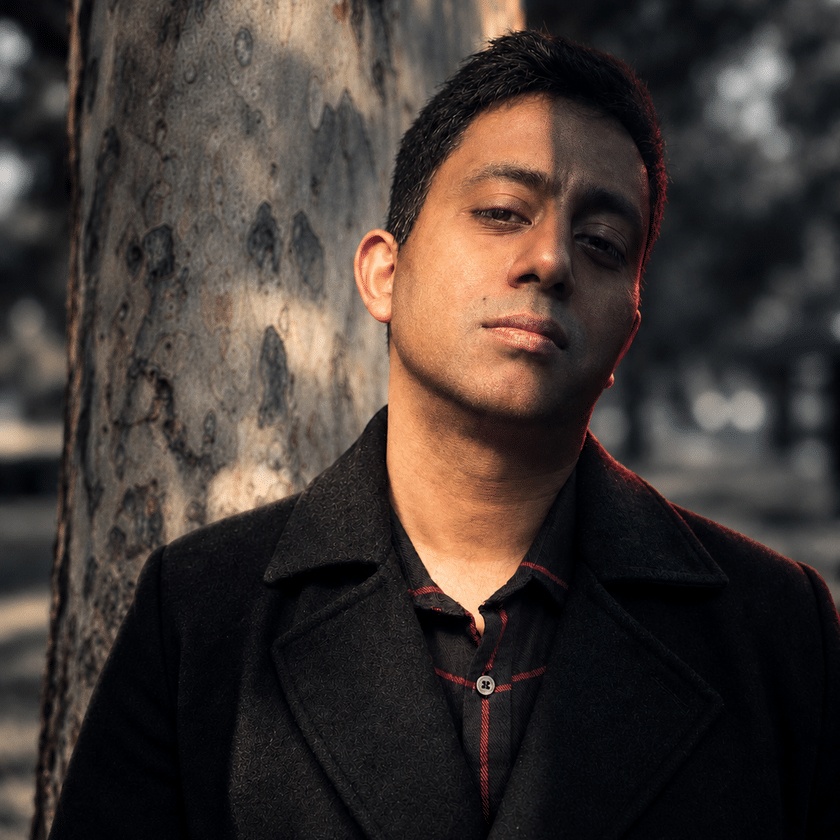
You generated more than 200,000 streams across platforms during your debut year as a solo artist and have attracted listeners from countries including Brazil, Australia, and South Africa. How has the response from international audiences influenced your approach to releasing music and building your career?
It’s been really encouraging to see people discovering my music in different parts of the world, particularly as an independent artist building everything from the ground up.
One of the interesting things about releasing music today is that you can create something in your bedroom in Melbourne and have someone on the other side of the world connect with it. You don’t necessarily know who those people are or what their lives look like, but something about the music resonates.
But honestly, beyond the numbers, when people reach out to me about my music and share their thoughts, tell me how it shaped their day, whether it made them laugh or cry, or just make them go, “That’s really cool,” that means the world to me.
That gives me more than enough juice and ammunition to keep going, to keep telling stories and to keep finding the vibe that fits your mood.
CONNECT