
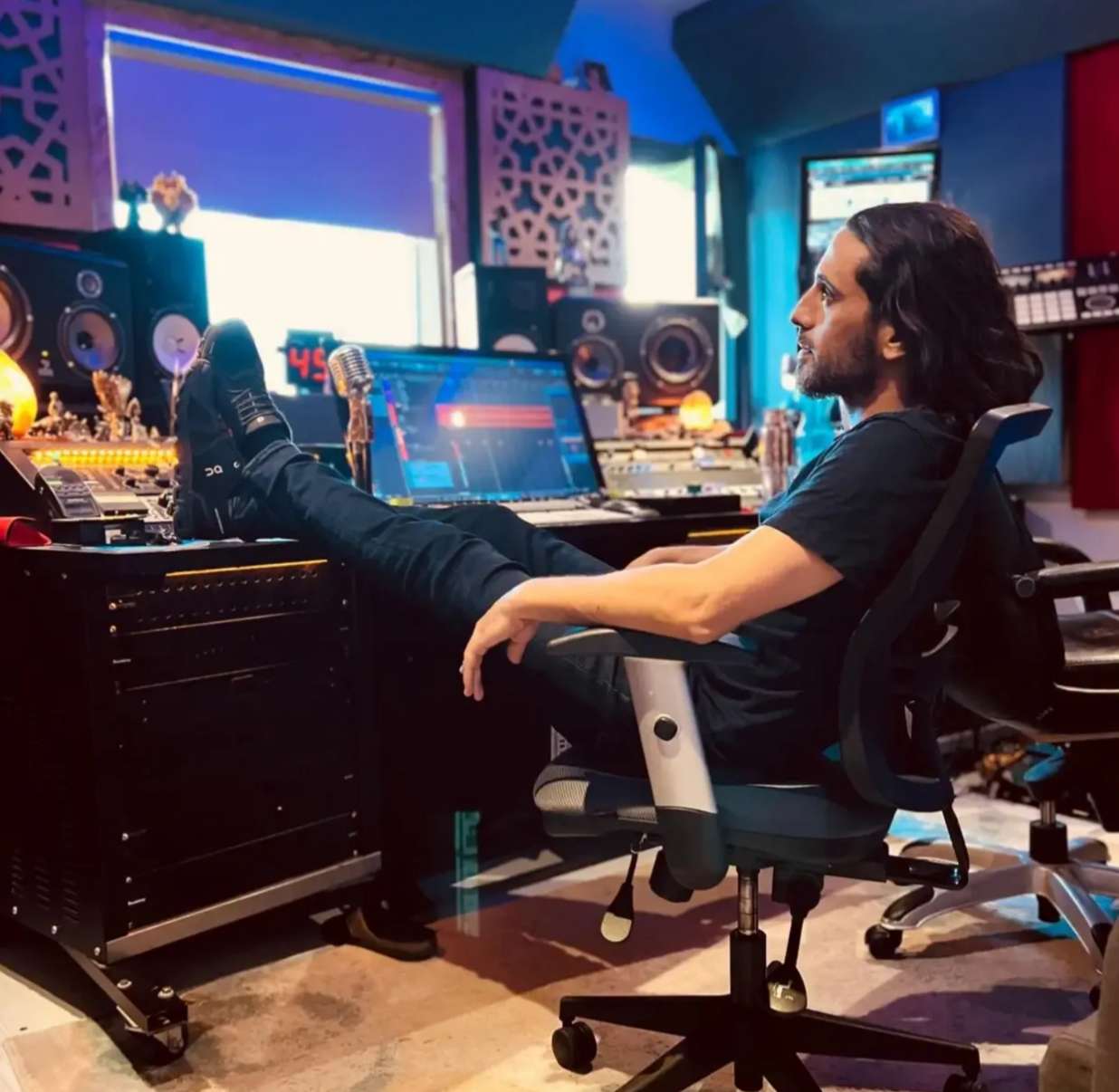
Orshina is an electronic music project shaped by years of musical exploration, personal struggles, and a determination to express emotions that words alone cannot capture. After spending 15 years trying to build rock bands, the artist eventually turned to producing music independently, developing a sound that brings together electronic textures, rock influences, atmospheric elements, and live instrumentation.
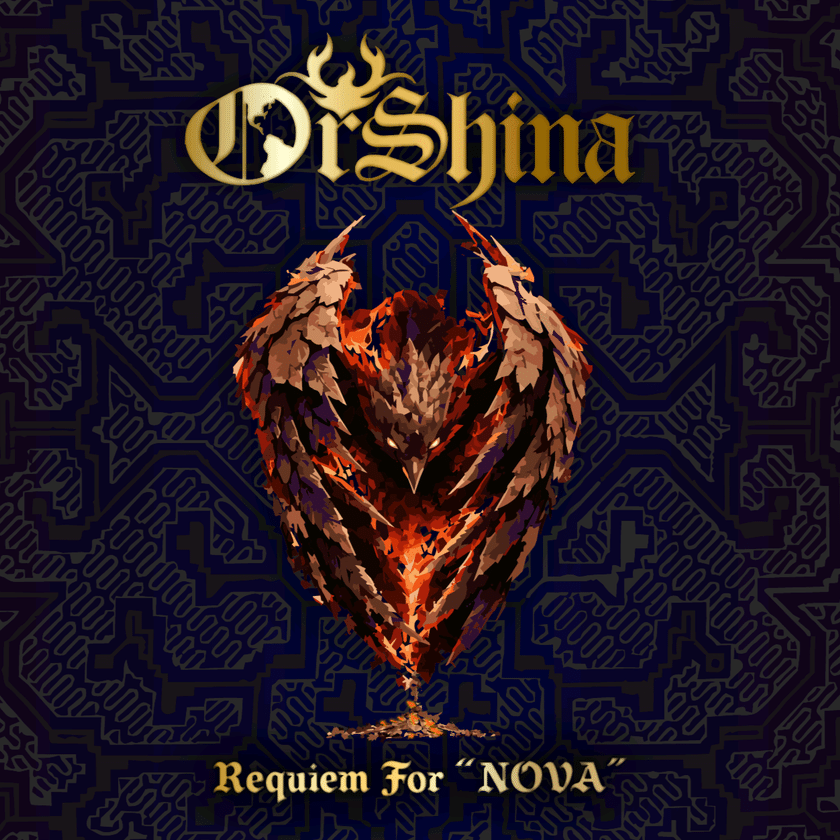
His latest album, Requiem for NOVA, is a deeply emotional response to the Nova tragedy and the lives affected by it, including his sister and several close friends. For Orshina, the project is more than a personal expression of grief. It is a musical testimony to the tragedy, the people who lost their lives, and the painful contrast between the joy and hope that existed before the violence and the devastation that followed.
The album emerged during an especially difficult period in his life. As an IDF veteran dealing with post-traumatic stress disorder and combat trauma, Orshina has faced significant personal challenges while trying to rebuild his life and continue making music. He describes the creative process as emotionally exhausting, with moments of intense grief that sometimes brought recording sessions to a halt. Yet, through electronic melodies, violin, drums, and vocals, he gradually developed those early musical ideas into a full album.
Working with violinist Maianne Tur, drummer Roey Brosh, and vocalists Idit Eshel and Shiran Tzfira, Orshina created a sound influenced by artists such as Pink Floyd, Carbon Based Lifeforms, Infected Mushroom, and Shpongle. The result reflects his interest in combining electronic production with the emotional depth of live instruments and atmospheric soundscapes.
At the heart of Requiem for NOVA is the message, “Help me heal the world.” For Orshina, healing begins with remembering those who were lost and telling their stories. He also believes music can offer a measure of relief to people living with grief and trauma, helping them find the peace they need to move forward.
In this interview with Spinex Music, Orshina opens up about the experiences behind Requiem for NOVA, the emotional challenges of making the album, the musicians who helped bring it to life, and his belief in music as a means of remembrance and healing. He also discusses his upcoming project, Hands Up, dedicated to his late sister, and his plans to continue performing and developing his music.
To start, could you tell me how your journey into electronic music began and how your personal experiences have shaped the sound and direction of Orshina?
Well, it was a very long journey. I had bands, several versions of one band, and for 15 years I tried to form bands and play rock. But it was a very difficult effort under very difficult circumstances. That led me to start producing music alone. I bought gear and developed slowly. Orshina was basically my first attempt at making music on my own, working with paid partners rather than as a band.
The first album was released, and then I went through a very difficult period. I am an IDF veteran dealing with PTSD, combat trauma, and drug abuse. Then came the Nova tragedy, and I wasn’t really focused on music.
We had also recorded the album Midnight Trains with the band during the coronavirus pandemic. It was released in March this year and is becoming really popular now, so this is my second release this year. There will be another release on the 20th: a house project with elements of rock, trance, and techno. I’m quite busy, and I’m thankful for that because it distracts me from my own devastation.
“Requiem for NOVA” was created in response to the loss of your sister and several close friends. How did the idea for this album first come to you, and what did you feel it was important to express through the music?
That is partly correct, but not entirely. The requiem is actually about the whole event, about true evil and horror meeting pure joy and good intentions.
As a musician and a former combat commander, I found myself at a crossroads where I couldn’t say anything. I tried to express myself through music. Some people make documentaries; some climb mountains. I make music. I know how to do it. That is my place in this wicked world.
So the album is mainly about the event and all its casualties. Of course, my sister is part of it, but out of my great love for her, I have another album coming out that is dedicated entirely to her. It is under the name SONIC PULSES and is called Hands Up. It is melancholic house music with rock, trance, and techno elements, featuring talented singers who sing about longing and loss. It is coming out on the 20th of this month, which is both her birthday and the anniversary of her death.
She died by suicide because she could not bear the sorrow. In fact, we have had more than 300 suicides here in the last three years among paramedics, police officers, soldiers, and survivors. Unfortunately, I was with her throughout that year. I had only recently been recognized as a veteran and had begun my own rehabilitation and recovery, so I wasn’t fully well myself. I am still deeply shocked.
You described making the album as a psychological journey involving tears, breakdowns, and exhaustion. How did you keep going during the most difficult moments of the creative process, and did making the music help you process any of what you were feeling?
Well, as I said before, I had a long period of drug abuse and was unknowingly suffering from PTSD. About a year ago, I left Tel Aviv and moved the studio to a village. I locked myself away and isolated myself completely, apart from the musicians who came to record and the food-delivery drivers.
I was really living like a monk. After 15 years of Tel Aviv’s crazy nightlife, I had to stop. I didn’t touch anything. No drugs, no alcohol, and no psychiatric medication.
Sometimes during recording, I had to stop to shed my tears. For half of the project, I was on the floor crying.
So I was working on two albums simultaneously. During recovery and grief, along with many other troubles, I became frail and had to rest a lot, and the crying never stopped.
The album brings together electronic production, violin, drums, and vocals. How did you decide which sounds and instruments would best communicate the emotions and message behind the project?
That’s a question I don’t really know how to answer. There is something mystical and mysterious about how things are composed. It involves imagination, emotion, knowledge, and vision. I can’t really answer it with certainty, but I gain experience as I make more music. I’m glad you asked; it’s a good question.
I think it is also about my influences, a variety of artists and a vast range of genres.
But it also has a technical side. If you want to make the listener more emotional, you add violin. If you want to express more anger, you add distorted guitar. If you want to calm the listener, you create pads and frequencies that relate to emotions in a mystical way.
That is why I said above that I don’t really know how to answer it. I simply enjoy how the process leads to what you eventually hear. I don’t know what it will be in the end; I work step by step.
This project began right after my sister’s death. I didn’t listen to music at all for eight months. But during the first month, I opened the computer and wrote some electronic melodies on synthesizers. After a year, I developed them into what you hear now.
You worked with violinist Maianne Tur, drummer Roey Brosh, and vocalists Idit Eshel and Shiran Tzfira. How did their individual contributions shape the album, and were there moments when their performances brought new meaning to the music for you?
I love working with other professional musicians. I had already recorded one track with Maianne for Orshina’s first album, which is now being remastered. Each person and personality makes a contribution. They bring more angles, colors, and richness.
I also insist on not mixing the music myself. I do most of the work, sound design, effects, and recording, but I leave the final mix to a professional technician like Leon, whose gear and studio are designed for that. Mine is made for creation and recording, but not for drums.
We recorded the drums at Leon Sound Pro Studio after I wrote the beats in my studio, so the drummer had something to build on.
Your music draws inspiration from artists such as Carbon Based Lifeforms, Pink Floyd, Infected Mushroom, and Shpongle. What have you taken from these different musical worlds, and how do those influences come through in your own sound?
I think every artist would give a similar answer: it is the knowledge and energy you absorb and then pass through your own prism.
Of course, I took the slide guitars from Pink Floyd, the chill vibe from Carbon Based Lifeforms, which I really love, and the intensity of Infected Mushroom. I also love Shpongle and Younger Brother, as well as many other artists not included on this list.
The message “Help me heal the world” sits at the heart of this release. What does healing mean to you in the context of the album, and how do you hope listeners connect with that message?
I think, first of all, it is about memory and testimony.Then comes relief through frequencies and emotions. That relief is important because it helps us make the right decisions with a peaceful mind, when we are not troubled.
I think everyone has a responsibility to heal themselves, with the help of others, and to become a better person. It is very important to accept help from people who can support you because “two are better than one,” as King Solomon said. He was the wisest man.
You recorded much of the album in your personal studio before completing the drums and mixing at Leon Sound Pro. How did moving between these recording environments affect the production, and how important was it for the final sound to match the emotions behind the music?
Leon is a true professional, a producer and technician, and he has one of the best studios in Israel for recording and mixing. He is also a very good friend of mine. We had worked together on the first Orshina album, and he is a remarkable person. The collaboration was great.
I sent him the files I had recorded and synthesized. Then we recorded the drums and had a few mixing sessions, after which he mastered the album.
The whole process was really good. We all love the outcome.
Beyond remembering those you have lost, what do you hope “Requiem for NOVA” offers to people who are experiencing grief, trauma, or a sense of brokenness in their own lives?
Once again, I hope it offers even a little relief, because the pain and the sense of missing someone never truly vanish. But I believe love can cross death, and we need a great deal of faith in this bloody game of clowns and circuses.
After creating such an emotionally demanding and personal work, how has the experience changed you as an artist, and what direction do you see your music taking from here?
Every album I make, especially now that I have my own studio, helps me develop a lot.I am now working on a concert for the requiem, and I will also perform with the house project Sonic Pulses. In December, we will record Midnight Trains, Part 2, and we are going to have a concert for that as well.
I hope to stay busy with all these projects, performing and playing for people, and making them happy.
CONNECT
FACEBOOK | SPOTIFY | YOUTUBE | INSTAGRAM