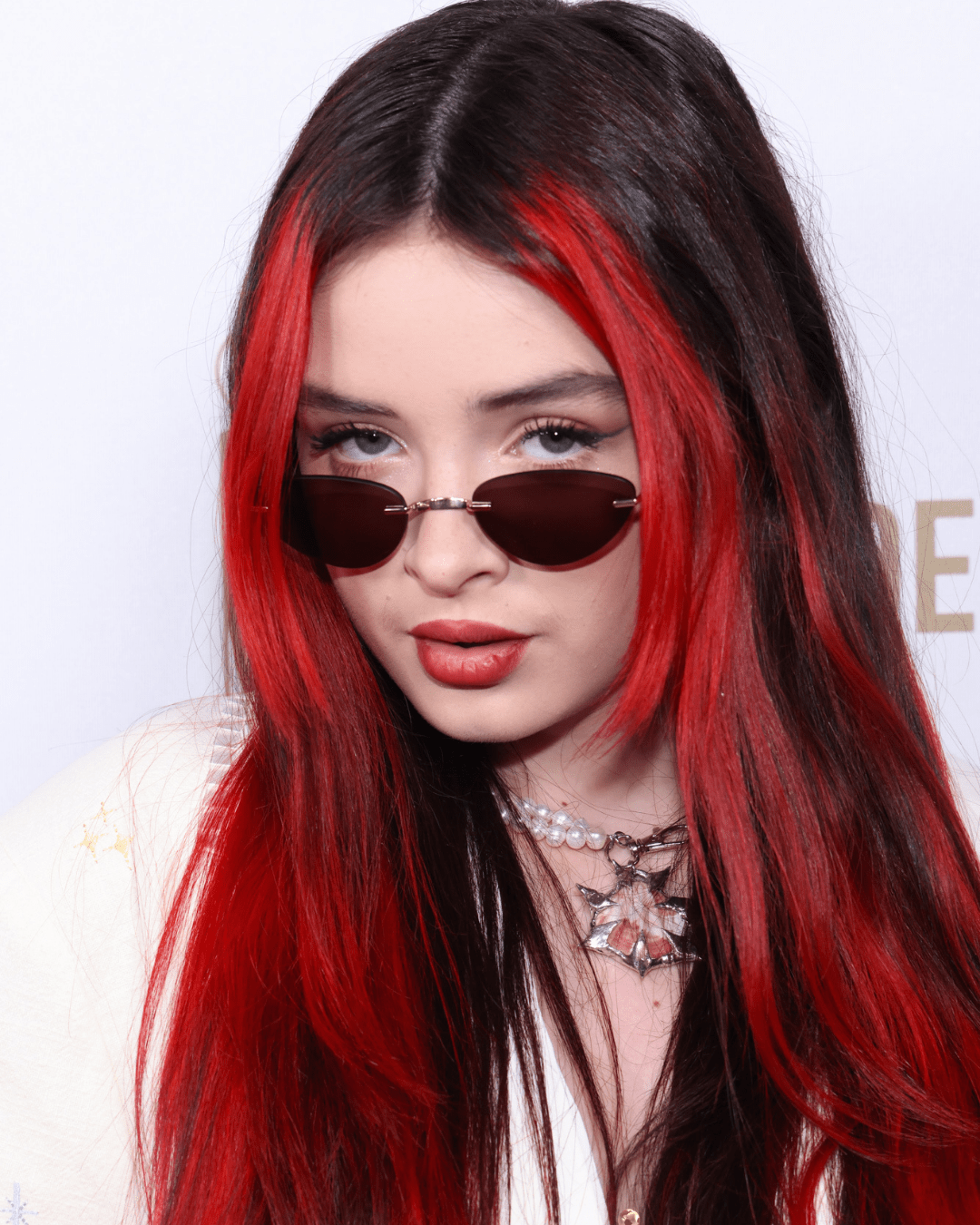
There is something particularly interesting about hearing a young artist speak openly about identity while they are still in the process of discovering it. For Piper Connolly, that process is not something she tries to hide. Instead, it has become an important part of how she writes, performs, and understands the kind of artist she wants to become. At just 15, Connolly already approaches songwriting with a level of self-awareness that allows her to look beyond simply creating songs and ask deeper questions about confidence, vulnerability, individuality, and the pressure to be understood by everyone around you.
Those ideas sit at the heart of “Unapologetic,” but the song is only one part of a much larger conversation about who Piper Connolly is becoming. Built around self-esteem and empowerment, “Unapologetic” does not present confidence as perfection. Connolly’s understanding of confidence is much more honest. It is about being able to feel uncertain, insecure, or unfinished while still trusting yourself enough to keep moving forward. That perspective gives the song a personal quality, especially because Connolly is not speaking about growing up from a distance. She is living through that experience herself.
Throughout the interview, she speaks candidly about the energy people can waste trying to make themselves easier for others to accept. She reflects on the expectations placed on young people, the pressure surrounding appearance and identity, and the importance of allowing yourself to change without viewing previous versions of yourself as mistakes. There is a maturity in that perspective, but there is also a refreshing sense of honesty. Connolly does not claim to have everything figured out, and that becomes one of the most compelling aspects of her story.
The conversation also reveals an artist who sees music as something much bigger than sound. Connolly naturally imagines colors, clothing, locations, camera angles, characters, and entire visual worlds while writing. For her, visuals are not simply promotional material added after a song is finished. They are another language through which the story can be told. Her attraction to alt-pop gives her the freedom to bring seemingly different emotions together, allowing something to be melodic and aggressive, beautiful and unsettling, playful and deeply emotional within the same artistic world.
Perhaps most revealing is the way Connolly talks about vulnerability. She does not treat it as the opposite of strength. Instead, she sees honesty about fear, pain, and uncertainty as a form of strength in itself. That belief runs through her songwriting and helps explain why her music can carry confidence without losing its emotional core.
In this interview, Piper Connolly opens up about the personal thinking behind “Unapologetic,” how her definition of confidence has changed, the relationship between music and visual storytelling, the experimentation involved in finding her identity, and the qualities she hopes will eventually make a song unmistakably hers. More than anything, the conversation offers a glimpse into an artist who is still growing, still experimenting, and already learning how to turn that journey into music that feels immediate, visual, honest, and completely alive.
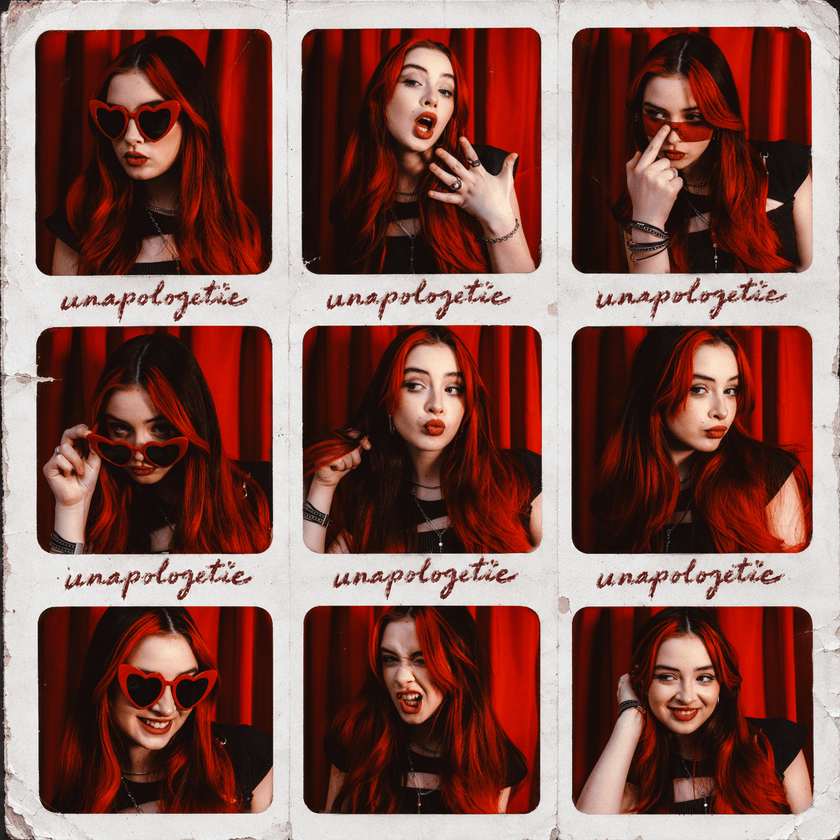
“Unapologetic” is built around self-esteem, empowerment, and the decision to embrace every part of yourself, including the flaws. What was happening in your life or mindset that made this message feel especially important to express through music?
I was at a point where I was realizing how much energy you can waste trying to make yourself easier for other people to understand or accept. Especially when you’re young, there are so many opinions about who you should be, how you should look and what parts of yourself are “too much.” I wanted to write something that pushed back against that. “unapologetic” isn’t about believing you’re perfect. It’s about deciding that you don’t need to apologize for being a work in progress—or for taking up space while you figure out who you are.
You described the writing process for “Unapologetic” as super natural. What did that process look like in the room, and how did you know you had captured the honesty and confidence you wanted the song to carry?
It started as a really honest conversation, and the song grew from there without us having to force it. Once we found the main idea, the lyrics and melodies came together pretty quickly because I knew exactly what I wanted to say. We kept checking that the confidence felt real and not like I was pretending to have everything figured out. When I could sing it and actually believe every word, I knew we had found it.
The idea of refusing to apologize for who you are can mean very different things at different stages of life. Has your understanding of confidence and self-acceptance changed as you have grown as an artist?
Definitely. I used to think confidence meant never feeling insecure or caring what anyone thought. Now I think it’s being able to feel unsure and still trust yourself enough to keep moving. I’m only 15, so I’m obviously still learning who I am, but I’ve become much more comfortable with not having every answer. Self-acceptance, for me, is giving yourself permission to change without treating every earlier version of yourself like a mistake.
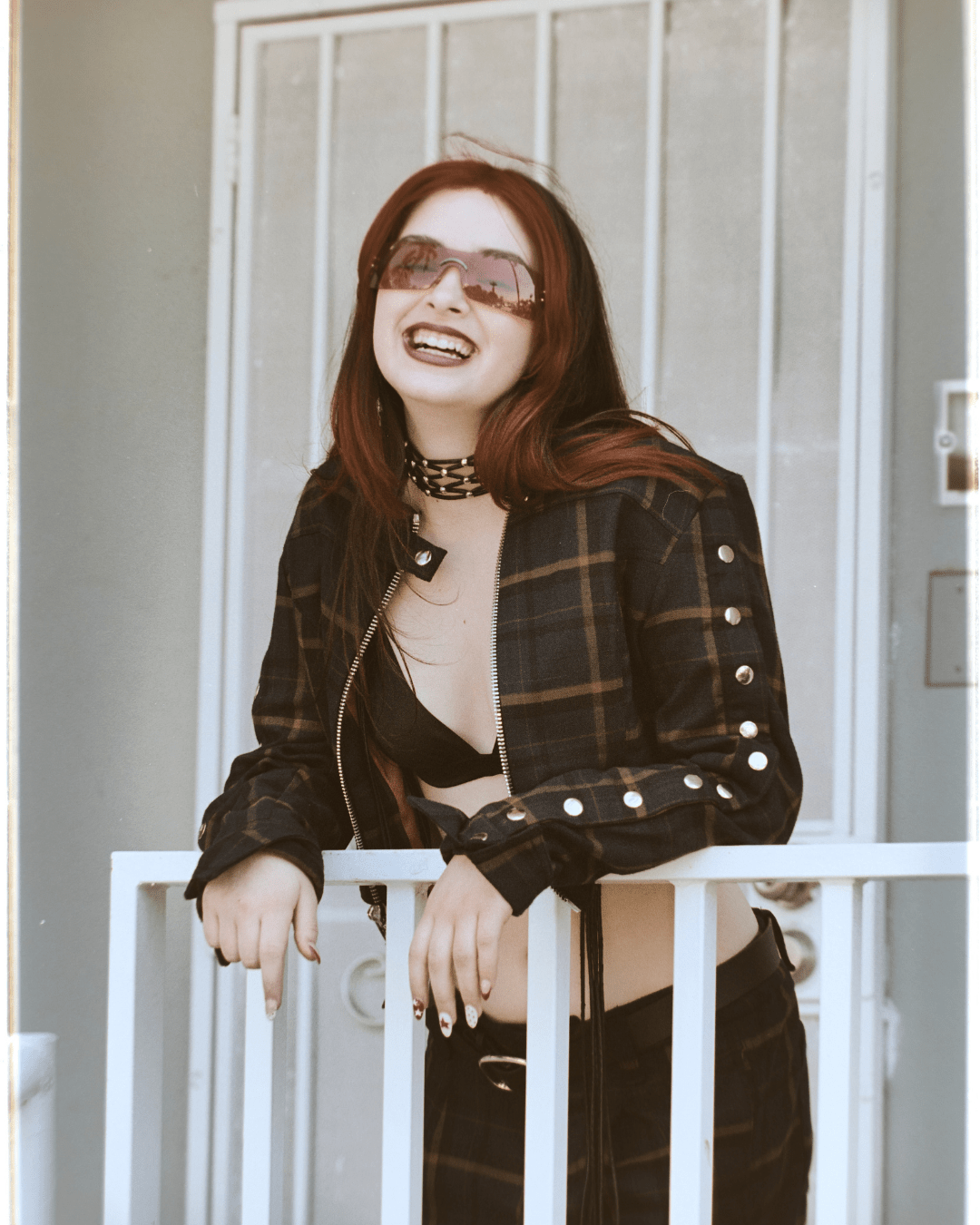
Your music combines sharp songwriting with a strong visual identity. How do you approach the relationship between what a song sounds like and what it should look like, and how important is visual storytelling to the world you are building around your music?
I usually start seeing images while I’m listening to or writing a song—colors, clothes, locations, camera angles or even a whole character. The visual world should feel like another part of the story, not something added afterward because a song needs content. I love being involved from the beginning because every choice can reveal something about the song that the lyrics don’t say directly. The music tells you how the moment feels, and the visuals let you step inside it.
“Unapologetic” presents confidence without suggesting that being confident means being perfect. How do you balance vulnerability and strength in your songwriting without allowing one to overpower the other?
I don’t really see vulnerability and strength as opposites. Being honest about what hurts or what scares you can be one of the strongest things you do. I try not to clean up every emotion or turn every song into a perfect victory speech. Sometimes the most honest ending is, “I’m still dealing with this, but I’m not letting it define me.” That feels much more real to me than pretending nothing gets through.
You are developing an artistic identity at a relatively early stage in your career that already feels very deliberate. Which parts of that identity came naturally to you, and which have required the most experimentation and discovery?
The emotional intensity, humor and slightly chaotic energy came naturally because that’s genuinely how I experience things. I’ve always loved dramatic music, strong visuals and songs that make you feel something immediately. The experimentation has been in figuring out how all of those instincts fit together in a way that feels unmistakably mine. I’ve tried different sounds, looks and ways of performing, and every experience has helped me get clearer about what belongs in my world and what doesn’t.
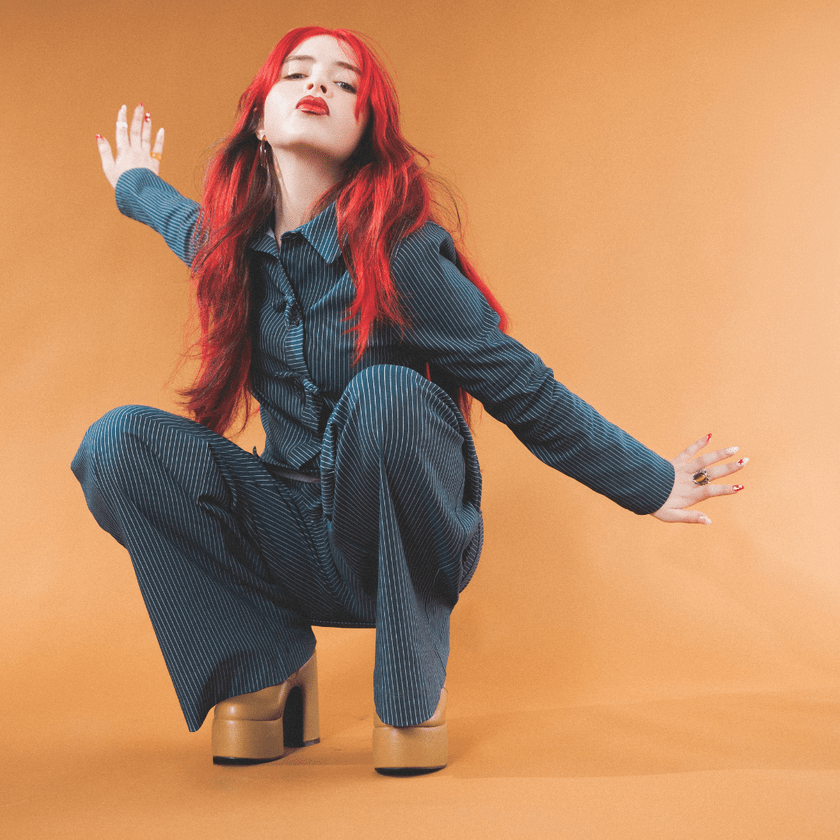
Alt-pop gives artists plenty of room to combine contrasting emotions, sounds, and aesthetics. What aspects of the genre give you the freedom to express yourself in ways that a more traditional pop approach might not?
I love that alt-pop doesn’t ask everything to match perfectly. A song can sound huge and fun while the lyrics are actually a little devastating. It can be polished in one moment and messy or aggressive in the next. That contrast feels very honest to me because people don’t experience one emotion at a time. Alt-pop gives me room to be melodic, loud, vulnerable, sarcastic and dramatic—sometimes within the same song.
When you write about personal subjects such as identity, self-worth, and empowerment, do you primarily see songwriting as a way of understanding yourself, connecting with other people, or both?
Both. Writing helps me understand what I’m feeling because sometimes I don’t fully know until I hear myself sing it back. But the song changes once other people hear it and recognize part of themselves in it. Something that started as a very specific feeling in my life can become somebody else’s confidence song, breakup song or reminder that they aren’t alone. That connection is one of my favorite things about making music.
Beyond the message of “Unapologetic,” what do you think this song reveals about Piper Connolly as an artist that listeners may not have discovered from your earlier work?
I think it shows a more direct and playful kind of confidence. Some of my earlier music lived more inside the emotion, while “unapologetic” steps forward and owns it. There’s still vulnerability underneath it, but there’s also attitude, humor and a stronger sense of me deciding how I want to be seen. It feels like an important part of the artist I’m becoming.
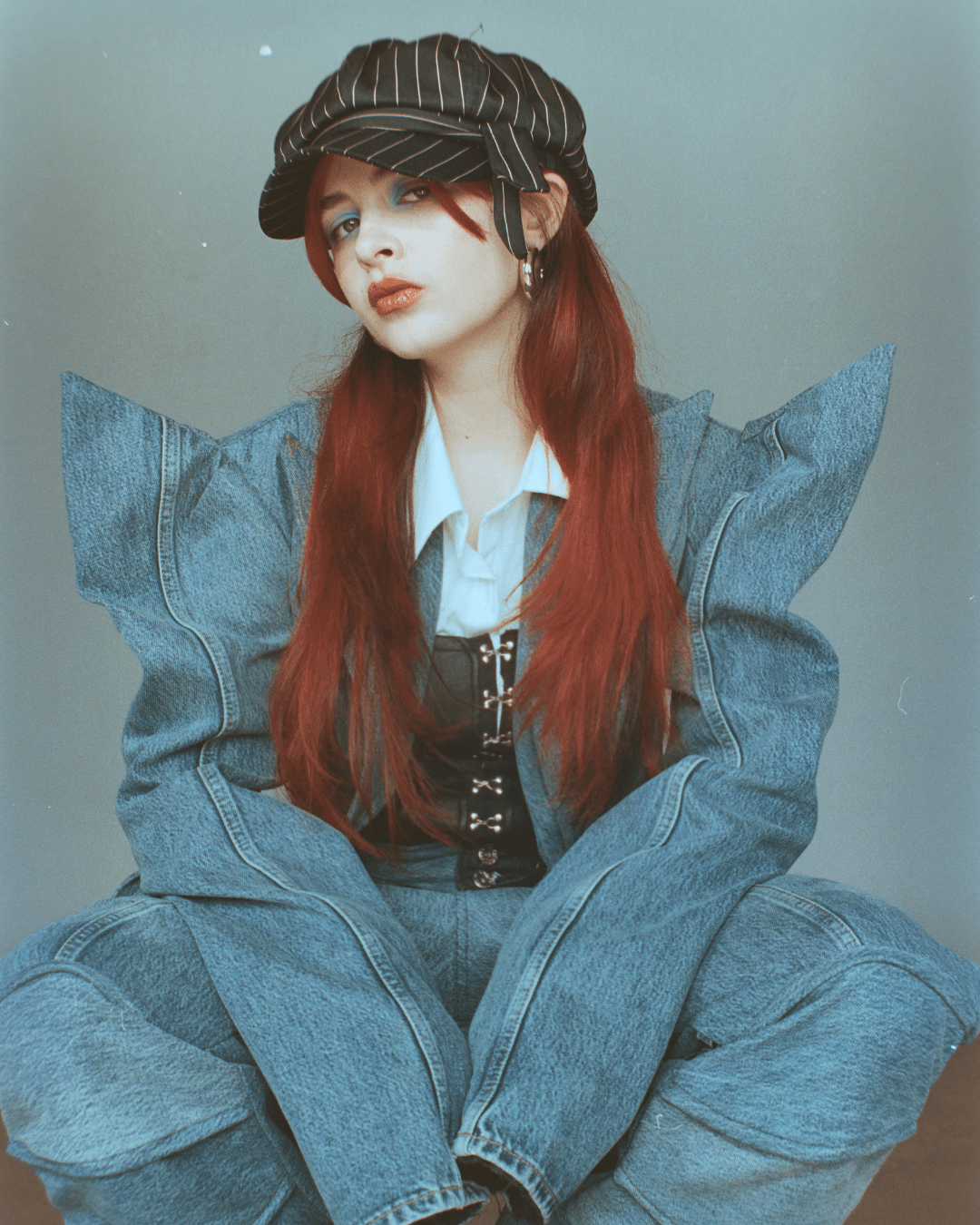
As you continue developing your sound and growing your audience, what do you want people to recognize as unmistakably yours when they hear a Piper Connolly song for the first time?
I want them to recognize the point of view before anything else—the emotional honesty, the sharp edges and the feeling that I’m saying the part people usually edit out. Sonically, I love big hooks, real energy and contrasts between something beautiful and something a little dangerous. More than one specific sound, I want a Piper Connolly song to feel immediate, visual and completely alive—like you’ve been dropped into the middle of the story.
CONNECT