
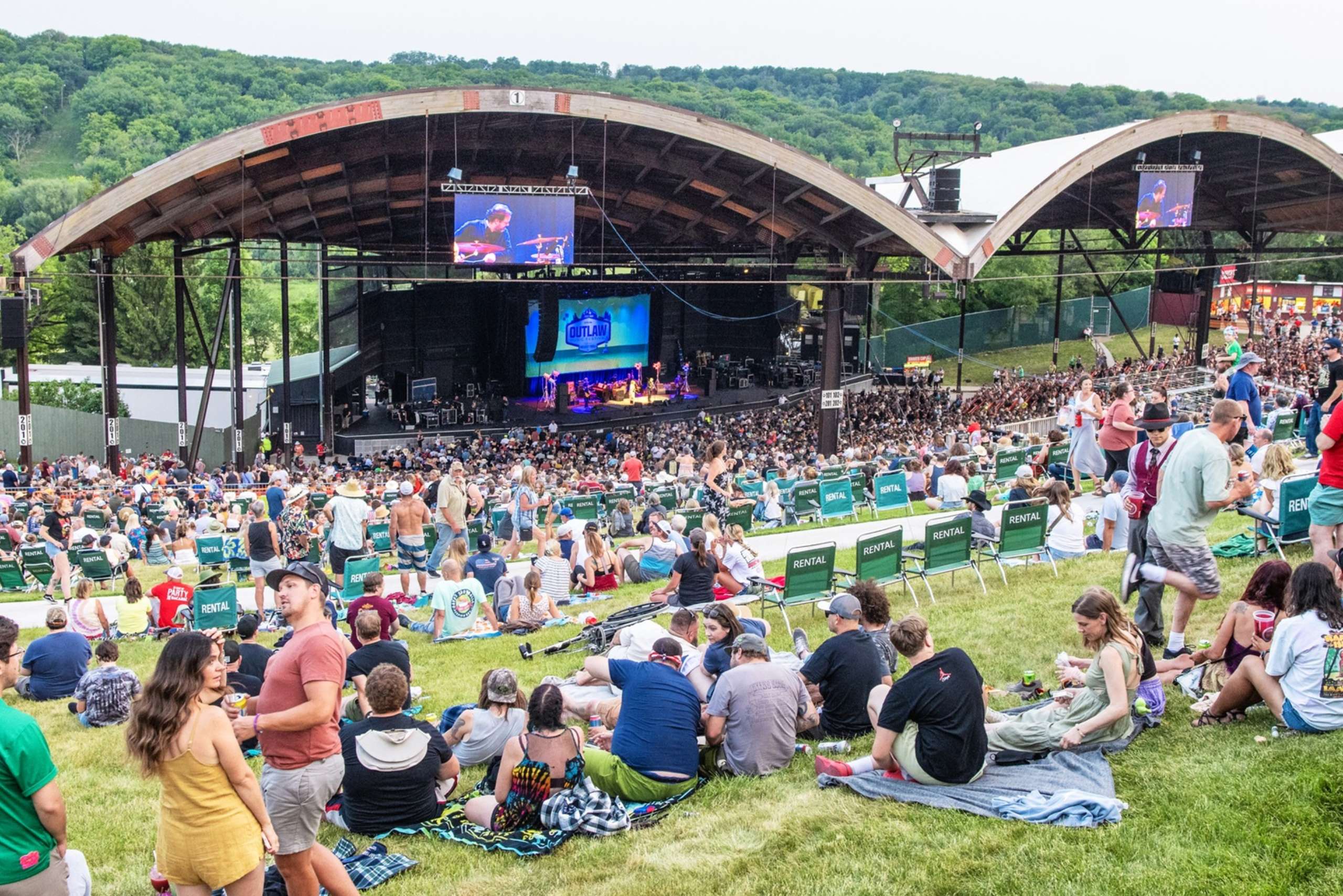
Every summer, amphitheaters across the country fill with fans who came for outlaw country and stayed for something unexpected — a wave of teenagers and twenty-somethings trading algorithm-fed playlists for six-string guitars and hand-me-down record collections.
The Outlaw Music Festival, long known for pairing legacy artists with rising songwriters, has quietly become a gateway into a slower, more acoustic style of rebellion. For a generation raised on streaming shuffle, that shift says a lot about where music culture is heading next.
Building a Festival From Outlaw Country’s Legacy
Before it became a cultural talking point, the Outlaw Music Festival was simply a touring bill built around a shared attitude. The inaugural Outlaw Music Festival was held in Scranton, Pennsylvania, in September 2016, with Willie Nelson headlining alongside Neil Young and Sheryl Crow, bringing together artists who valued songwriting and musicianship over polish.
That founding lineup set the tone for every tour since — heavy on acoustic instrumentation, storytelling lyrics, and a loose, unpolished energy that felt closer to a backyard picking session than a stadium show. Year after year, the festival has kept that spirit intact even as its audience has grown younger.
Rediscovering Older Sounds Through Younger Ears
Younger audience members are showing up on purpose. One poll shows listeners aged 13 to 24 want to hear older songs. From 2021 to 2025, the share of respondents who favor music released in the 2020s dropped from 55% to 44%, showing a downward trend. Meanwhile, the share who prefer music from the 1990s climbed from 18% to 25%.
This movement doesn’t happen without a reason. For many young fans, the appeal lies in hearing real instruments played by real hands — something festivals built around outlaw country and Americana deliver in nearly every set. Listening to music, learning an instrument and joining a band are deeply tied to memory, emotion and personal identity. During adolescence, the social aspect of music is rewarding.
Tracing the Instruments Behind the Outlaw Sound
The appeal for real instruments played by real hands starts with the instrument itself, and few names carry as much weight in acoustic music as Martin. From Nelson’s own well-worn guitar to the instruments used by decades of Americana and folk artists, Martin guitars show up again and again in the songs that outlaw-leaning musicians grew up on.
Nelson still plays “On the Road Again” on Trigger, his well-worn 1969 Martin N-20, a guitar that’s followed him from outlaw country’s earliest days to the festival stage that carries the movement’s name today. For young players discovering acoustic music through the festival circuit, that lineage offers a tangible connection between the artists onstage and the guitar they’re learning to play at home.
Picking Up the Guitar Instead of Scrolling Past It
A connection is exactly why festivalgoers go home and pick up a guitar after watching a stripped-down acoustic set. Learning curves vary depending on practice habits and prior musical experience. Still, basic chords and simple strumming patterns usually click within a few months, comfortable intermediate-level playing takes about one to two years, and a more advanced, expressive level of playing generally takes several years of consistent work.
This arc is why new players stick with the instrument:
- Simple songs come together within just a few weeks
- Steady progress through the intermediate stage builds confidence
- Years of consistent practice turn casual players into expressive ones
Progress comes fast enough early on to feel rewarding, which keeps beginners motivated through the slower stretches that follow.
Starting a New Kind of Rebellion, One Chord at a Time
Rebellion has always meant pushing against whatever feels mainstream, and right now, that means slowing down. Where earlier generations rebelled with distortion and volume, today’s acoustic rebels do so with fingerpicking patterns and unplugged sets.
The Outlaw Music Festival didn’t set out to spark a guitar-learning movement among Gen Z and young millennials, but its lineups keep proving that raw, real musicianship still resonates. As long as festivals like this keep putting acoustic storytelling center stage, there will be another generation in the crowd taking notes — and picking up a guitar of their own.