
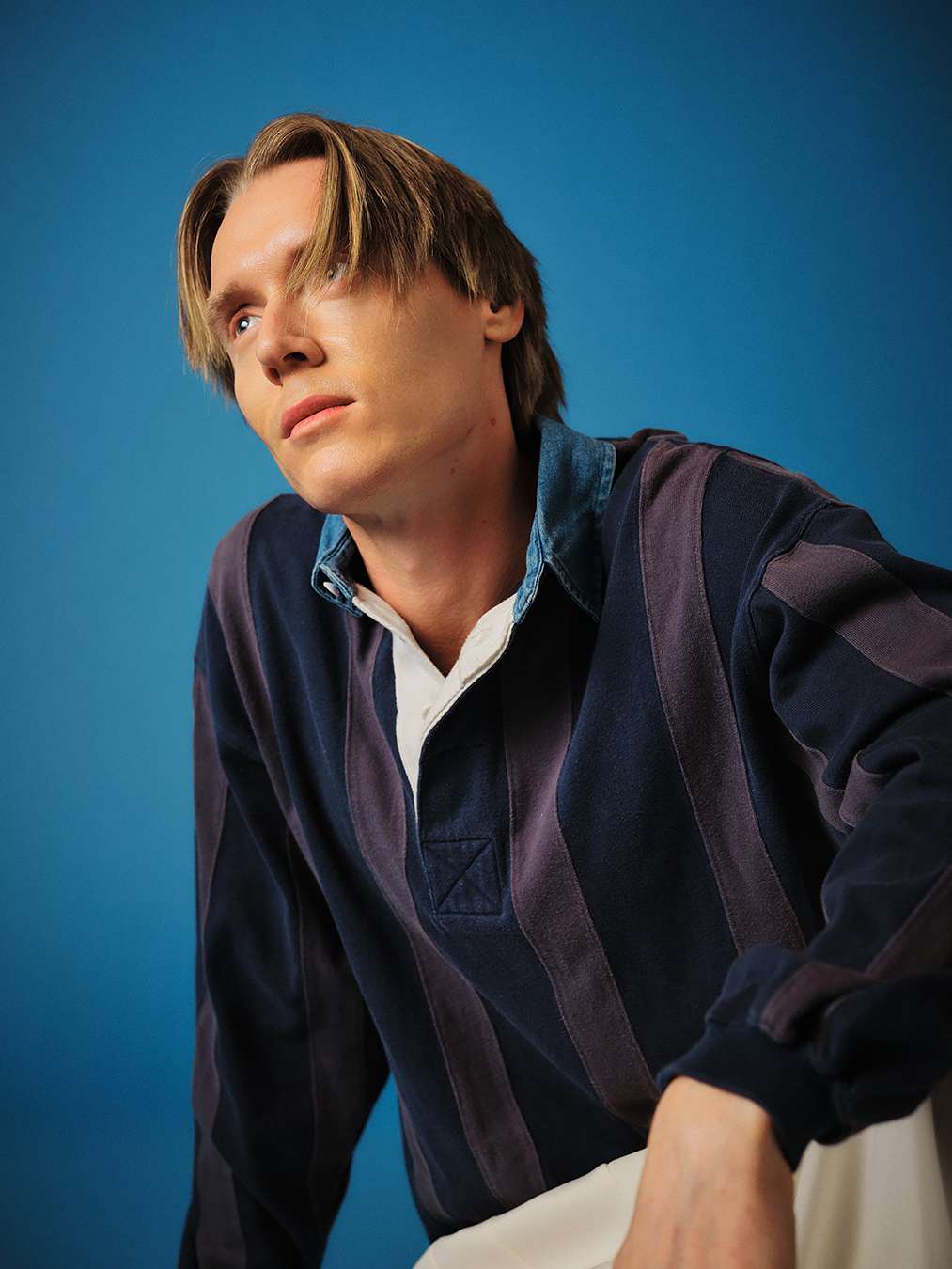
Some songs are written to provide answers. Others are written because the questions are still too important to ignore. For Astian, that space between uncertainty and acceptance has become an important part of his artistry. His music does not try to force neat conclusions onto complicated emotions. Instead, it gives heartbreak, vulnerability, confusion and self-discovery room to exist as they are.
That quality comes through strongly in “How,” a song built around the difficult reality of knowing that a relationship needs to end while still having no idea how to move forward. Rather than searching for someone to blame, Astian allows the uncertainty to remain, turning an unresolved emotional moment into something deeply relatable. He describes music as a way of processing feelings that are sometimes impossible to express in ordinary words, and that honesty has become central to the identity he is building.
There is also a striking sense of instinct in the way “How” came together. The chorus arrived in roughly ten minutes, and the first vocal take was kept because, in Astian’s words, trying to perfect it might have removed the feeling that made the moment special in the first place. That decision says a lot about his approach to songwriting. For an artist whose music often lives in subtle emotional spaces, perfection is not necessarily the goal. Truth is.
That honesty extends into Astian’s understanding of masculinity. His music makes room for uncertainty, sadness and emotional confusion without treating vulnerability as weakness. Instead, he sees the willingness to admit that you do not have all the answers as another form of strength. It is an approach that gives his songs a human quality and allows listeners to recognise their own emotions without being told exactly how they should feel.
Musically, that emotional openness is matched by restraint. Growing up in Gothenburg and beginning to sing in a gospel choir at ten, Astian developed within a rich musical environment, while the Nordic sense of melody and melancholy has naturally found its way into his expression. He is drawn to the contrast between emotional intensity and space, understanding that sometimes what a song leaves unsaid can be just as powerful as what it reveals.
Then there is the independence. Having built Astian without a label and reached nearly three million streams, he has learned to take ownership of every part of the artistic process, from music and production to visuals and artwork. That freedom has come with its own challenges, but it has also allowed him to create something that feels completely his own.
Perhaps most importantly, Astian no longer seems interested in measuring every song by what happens after release. There is a new calm in his relationship with numbers, streams and outside expectations. Each song can now exist as its own chapter rather than carrying the pressure of an entire career. What remains is the desire to keep developing while holding onto vulnerability, personal storytelling and the courage to do things his own way.
In this conversation with Spinex Music, Astian opens up about “How,” the uncertainty behind heartbreak, the role of vulnerability in his music, his independent journey, his Gothenburg roots, and the importance of trusting his instincts even when the longer road is not always the easiest one.
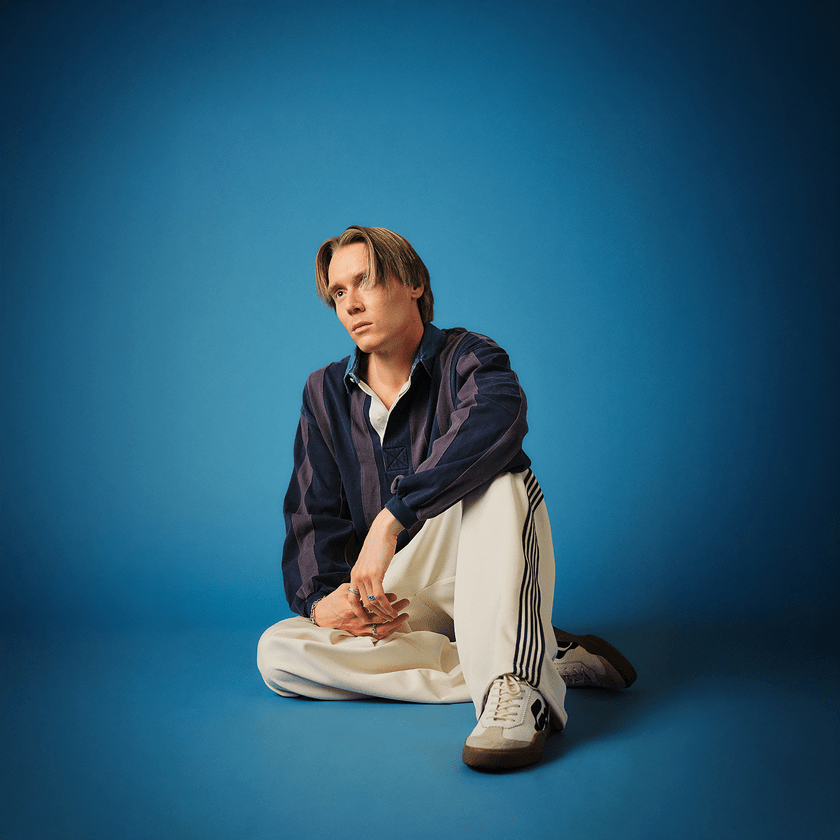
“How” begins with a deceptively simple question: what do you do when you know a relationship has to end, but you have no idea how to actually let go? Was there a particular experience or emotional realization behind that question, and did writing the song help you understand something you couldn’t articulate at the time?
For me, “How” is really about that in-between space. You can accept that something is over, but emotionally you can still find yourself standing there, trying to understand what happened and how to move forward. I think it’s easy to believe that you need to have all the answers before you can move on, but that’s not always how it works.
Music has always been my way of processing things that I can’t quite put into ordinary words. When I write, I get the chance to stay with a feeling without immediately having to solve it. In many ways, “How” became a way of putting words and melodies to that uncertainty. It doesn’t need to arrive at a clear answer. The question itself is such a big part of the song.
The chorus was written in just ten minutes, and you kept the very first vocal take. What do you think happened in those few minutes that made the song capture something a more carefully constructed performance might have lost? Do you believe there are moments when instinct is more truthful than perfection?
Yes, absolutely. I think there’s sometimes something in that first impulse that’s very difficult to recreate. When Rasmus and I wrote “How,” he was recording the verse riff while I stepped away for a while. I started humming a melody and came back about ten minutes later with the chorus.
The beautiful thing was that we didn’t have time to overanalyse anything. That first take still had that immediate feeling of having just discovered something. Once you start reworking things, it’s easy to fall into the trap of trying to make them “better,” but sometimes that also means polishing away what made them feel alive in the first place. In this case, the first take simply felt true, so we kept it.
Breakup songs often try to find someone to blame or arrive at a clear conclusion. “How” seems more interested in uncertainty, unanswered questions, and the uncomfortable space between knowing you must move forward and actually being ready to do it. Why was it important for you to leave some of those questions unresolved?
Because that’s how life actually is sometimes. Not every relationship gets a clear ending where you understand exactly what went wrong and why. Sometimes you have to accept that certain questions will remain unanswered.
I think there’s something very human about that. “How” is about that moment when you know you have to move on, but have no idea how. I didn’t want to write a song that pretends I have the answer. I wanted to capture the feeling of standing there and asking yourself all those questions. For me, it’s also about having the courage to stay in the uncertainty rather than trying to escape from it.
You describe your music as exploring a more nuanced picture of masculinity through vulnerability. What have you discovered about yourself by allowing uncertainty, heartbreak, tenderness, and emotional confusion to become part of your artistic identity rather than something you feel pressured to hide?
I think above all, I’ve discovered that vulnerability doesn’t make me weaker. Quite the opposite. When I allow myself to be honest about what I’m feeling, I also become more genuine, both as a person and as an artist.
I think there are a lot of ideas about how a man is supposed to be. That you should be strong, in control, and not show too much emotion. I would rather show that strength can also mean being willing to say, “I don’t know,” “I’m sad,” or “I don’t understand how to move forward.” That has become a very important part of Astian. Music, to me, is an extension of myself and a way of giving space to sides of Sebastian that might not always get as much room otherwise.
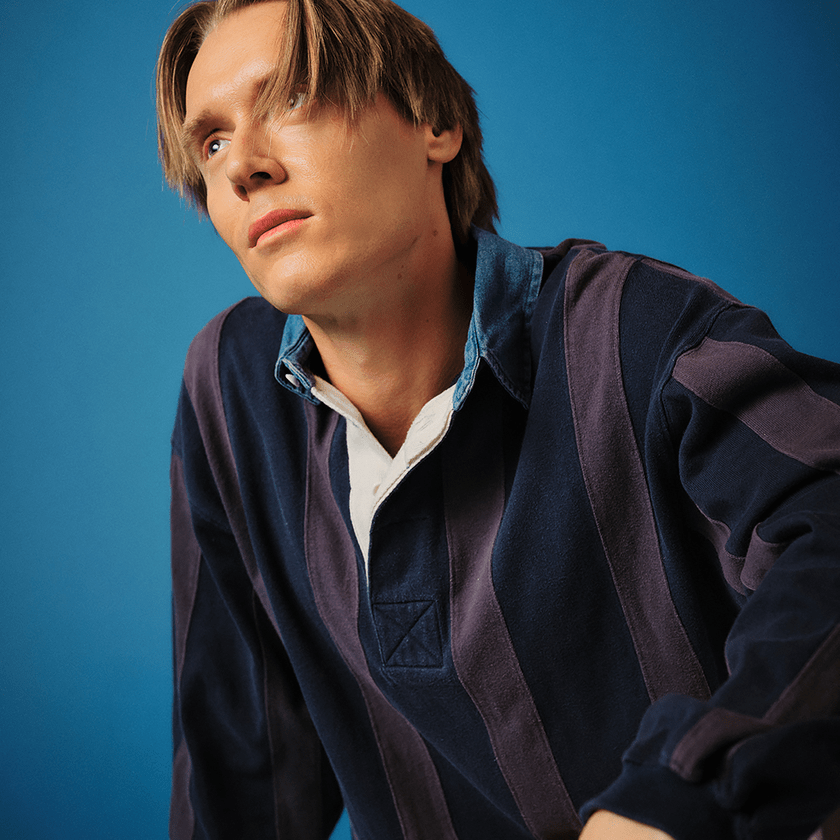
The song moves from an intimate verse into a much more emotional chorus, while drawing from Nordic pop, R&B, and singer-songwriter traditions. When you’re producing a song, how do you decide how much space an emotion needs? Do you begin with the feeling and build the production around it, or can the production itself sometimes reveal the emotion you didn’t know was there?
I think it’s both. I’m very drawn to minimalist productions where there’s space, and where the melody and the voice are allowed to carry a lot of the emotion. To me, a big feeling doesn’t always need a big production. Sometimes it becomes even more powerful when you’re willing to leave things a little bare.
At the same time, the production can absolutely influence what a song becomes. A chord, a sound, or a certain groove can suddenly create a feeling that you hadn’t thought about initially. With “How,” it was important to let the stripped-back and playful elements exist alongside the emotional ones. I really like that contrast. The idea that something can feel sad without the song itself having to become heavy.
6. The playful outro is inspired by Hanson’s “MMMBop,” a song you loved growing up. What was it about that particular song that stayed with you for so many years, and what did you learn from revisiting a childhood musical memory and translating its carefree energy into a song about heartbreak?
There has always been something incredibly playful about the melody of “MMMBop” that I’ve loved. I’m a child of the ’90s, and that kind of pop and R&B has had a big influence on me musically. There’s a directness and an energy in that music that I still really love.
I’ve wanted for a long time to capture that feeling in one of my own songs without copying it. When the idea for an outro to “How” came about, it felt like everything suddenly fell into place. It became a contrast to the emotional side of the song, while also being a little tribute to something I thought was amazing as a kid. I like the idea that a song about heartbreak can actually be a little playful too. Emotions are rarely just one thing.
You have built a career independently and reached nearly three million streams without a label. What has staying independent forced you to learn about yourself that you might never have discovered if someone else had been responsible for your career decisions, and what has been the hardest part of carrying that responsibility alone?
Being independent has taught me that I have to trust my own instincts. I own my entire artistic expression, from the music and production to the visuals, content, and artwork. It has made me get to know both my strengths and my weaknesses in a very tangible way.
There’s also a freedom in that. I don’t have to compromise on who I want to be as an artist. At the same time, it can be quite lonely and demanding to carry so much on your own. There’s no one else who automatically makes the decisions or tells you what the next step should be. But after everything I’ve been through, I also think that’s exactly what has made Astian the project it is today. I’ve been able to build something that truly feels 100% mine.
Coming from Gothenburg, Sweden, you’re surrounded by a musical culture known internationally for its songwriting and pop craftsmanship. How much does your environment influence your creative instincts, and is there something distinctly Swedish or Scandinavian about the emotional restraint, melodies, or atmosphere you naturally bring into your music?
I think it’s difficult not to be influenced by your surroundings, especially when you’re someone who is constantly taking in new impressions. But something I’ve come to understand about myself over the years is that my creativity often comes through most strongly when I’m alone with my thoughts. It can be on a bus ride, during a workout, or on a walk. When there’s constant noise around me, that inner voice doesn’t really get the space it needs. I need the silence in order to hear what I’m actually thinking and feeling.
Gothenburg has a very strong musical tradition, and I grew up in an environment where music was always close. I started singing in a gospel choir when I was ten and had a lot of music around me at home, so it has been a natural part of my life for as long as I can remember.
I also think that the Nordic melancholy and our sense of melody somehow exist in my expression, even though I never consciously try to make anything sound specifically Swedish or Scandinavian. It probably comes naturally through the music I grew up with and the musical landscape I’m part of. I really like the contrast between restraint and emotional intensity. Not always having to say or show everything at once. Sometimes what is left unsaid can say just as much.
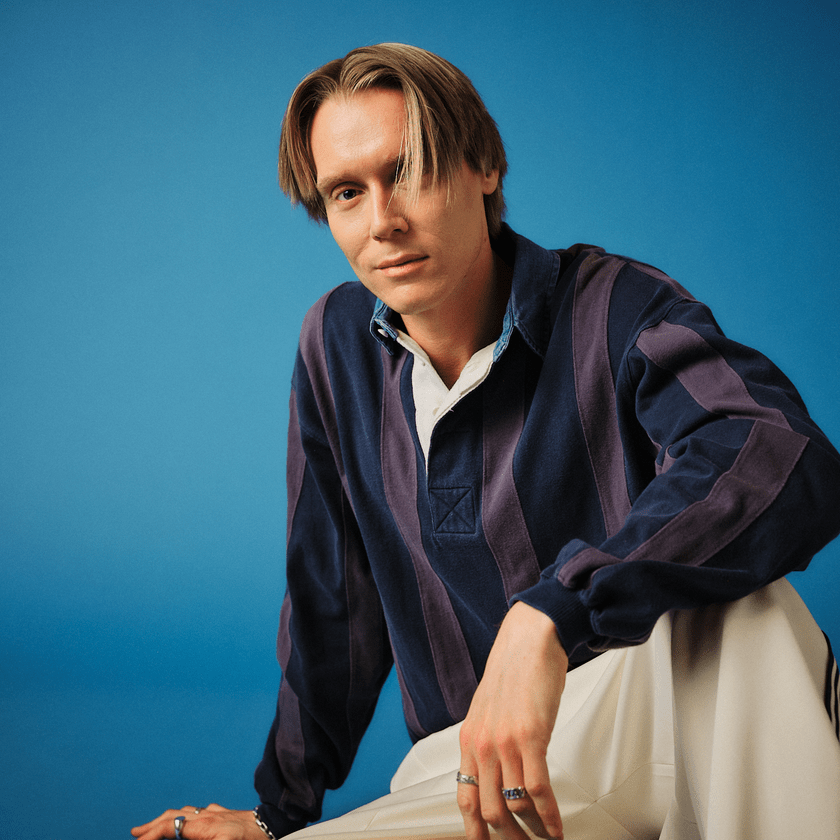
After nearly three million streams, “How” represents the beginning of a new chapter rather than simply another release. What has changed inside Astian between the artist who began building this project and the artist releasing this song now, and what are you determined to do differently in this next chapter?
An incredible amount has happened since I started building Astian. I’ve gone from trying to find my voice to now feeling much more confident in what I want to say, how I want to sound, and what kind of artist I want to be. At the same time, I think the biggest change has been in my relationship with performance and numbers.
There’s a sense of calm in me today that wasn’t there before. I can release a song without being as disappointed if it doesn’t perform the way I had hoped. In the past, I could easily become fixated on streams, numbers, and feedback and let them affect how I valued the song itself. Today, I try to see every release as its own chapter. One part of a much bigger story. A song doesn’t have to carry an entire career on its shoulders.
I think the next chapter is, above all, about continuing to trust that. I don’t want to chase someone else’s idea of who I should be or what I should sound like. I want to keep developing my sound, my songwriting, and my artistry, while holding on to the things that got me here: vulnerability, personal storytelling, and the desire to do things my own way.
If you could speak to the version of yourself who was just beginning this independent journey, before the streams, releases, setbacks, and lessons, what would you tell him about trusting his voice and allowing himself to be vulnerable? And when listeners eventually look back on this chapter of Astian’s music, what do you hope they remember about the person behind the songs?
I would tell him to trust his instincts more and not be afraid of taking the long road. There have been periods when things were really tough, when I listened too much to people in the music industry and to trends. But looking back, even the setbacks have been part of finding my way to the artist I am today.
I would also tell him that he should never feel like vulnerability needs to be hidden. That’s one of the things I want Astian to stand for. I hope that anyone who listens to my music feels that it’s okay to be human. To not have all the answers, to be sad, in love, confused, or afraid, and still be strong.
If people look back on this period one day, above all, I hope they remember an artist who dared to be honest and who never stopped trying to find his own expression. For me, Astian is ultimately about the strength to never give up, but also about the courage to show who you are along the way.
GET CONNECTED:
FACEBOOK | INSTAGRAM | TIKTOK | SPOTIFY | YOUTUBE