
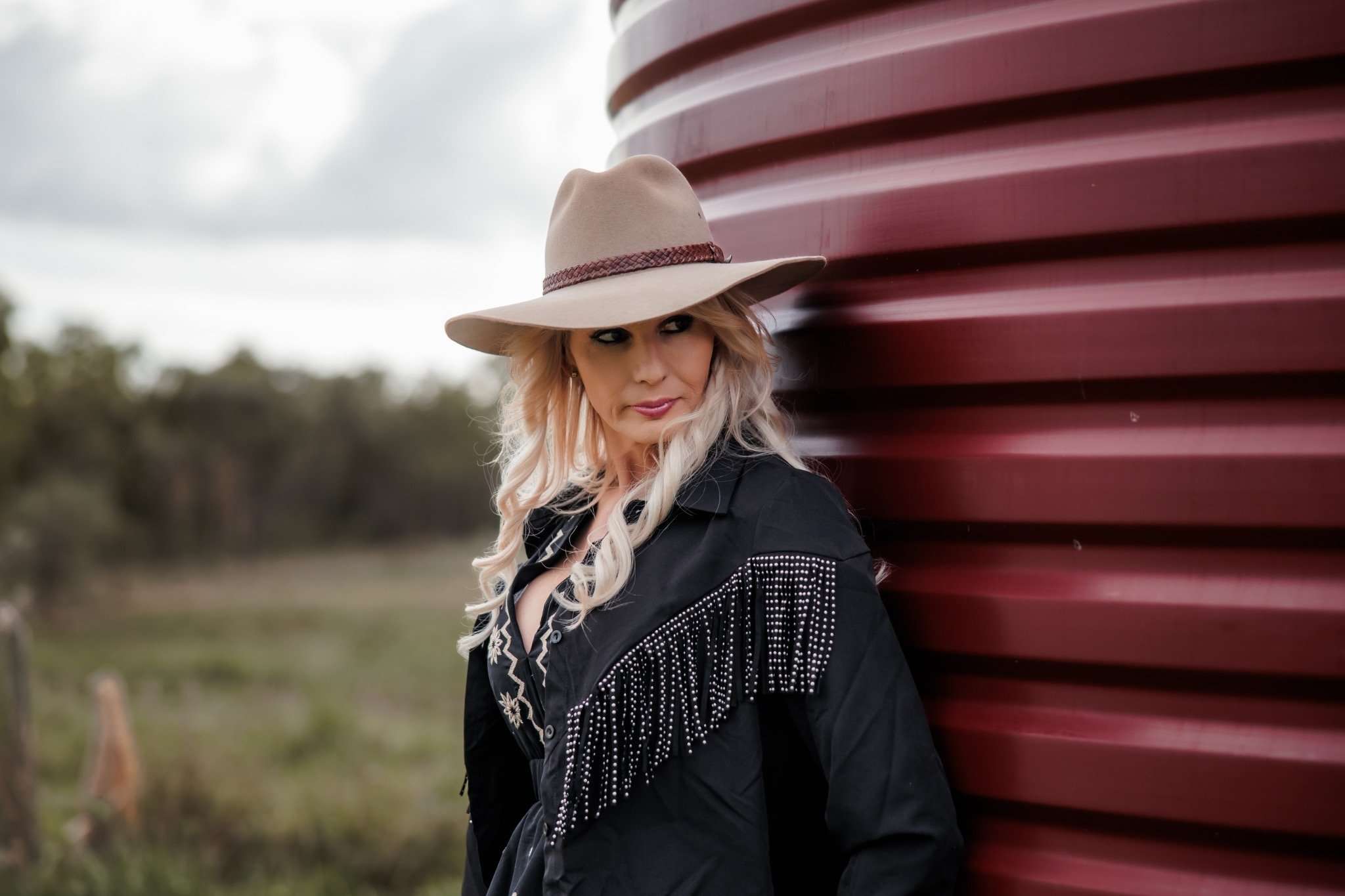
Victoria Crosby is the kind of artist who feels instinctively real from the moment you encounter her work. There is an undeniable sense of grounding in everything she creates, a blend of lived experience, storytelling instinct, and emotional clarity that sets her apart in today’s country landscape. Hailing from Far North Queensland, she carries the spirit of red-dirt country tradition yet reshapes it through a modern lens that feels fresh, confident, and distinctly her own. Whether through her smoky, powerful vocal tone or her unfiltered approach to songwriting, Crosby communicates with a sincerity that doesn’t need embellishment to be felt. She doesn’t perform authenticity; she simply lives it, and that is exactly what makes her music so compelling.
What makes her even more engaging as an artist is the duality she embodies. By day, she runs a café, and by heart, she is a storyteller who translates real human emotion into song. That balance between grounded everyday life and artistic ambition gives her work a relatable warmth that is increasingly rare. She is not an artist shaped by industry image alone, but someone who has built her presence through persistence, identity, and a refusal to compromise her voice. It is this foundation that makes Good Girl Problem feel like such a natural and powerful continuation of her journey.
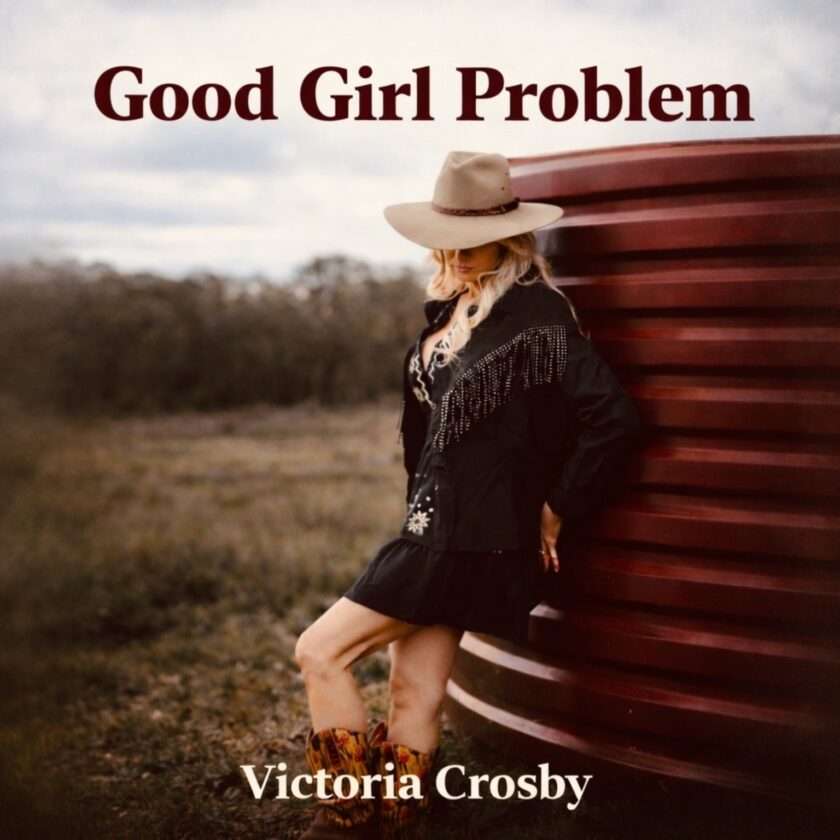
With Good Girl Problem, Victoria Crosby steps into a bold and self-assured new chapter, expanding on the momentum of You Need a Cowboy while pushing her sound into more daring emotional territory. From the outset, the track carries a sense of confidence that feels earned rather than manufactured. It is a song that understands its own identity completely, built around attitude, femininity, and control, but never loses sight of emotional honesty in the process.
At its core, Good Girl Problem is a reinterpretation of identity. It takes the familiar “good girl” narrative and reshapes it into something more empowered and self-defined. Rather than treating innocence as limitation, Crosby flips it into awareness, confidence, and ownership. The song does not rely on rebellion for impact; instead, it finds strength in self-possession. That perspective gives the track a refreshing depth, elevating it beyond surface-level empowerment into something more nuanced and relatable.
One of the most striking elements of the song is Victoria Crosby’s vocal performance. Her voice carries a natural smokiness that immediately sets a tone of intimacy and strength, but what truly stands out is how controlled and intentional her delivery feels. She never overextends or forces emotion. Instead, she leans into subtlety, letting tone, phrasing, and timing do the heavy lifting. There is a quiet magnetism in her performance, as if she is not just singing the song but confiding it. That sense of closeness draws the listener in and makes every lyric feel personal.
The songwriting is equally strong in its restraint and clarity. Rather than overloading the track with complexity, Crosby opts for directness, allowing the narrative to breathe. The lyrics are conversational yet purposeful, painting a clear emotional picture without unnecessary decoration. The strength of the writing lies in its ability to feel both playful and intentional at the same time. There is a teasing energy woven throughout the song, but underneath it sits a deeper message about confidence, self-awareness, and emotional control.
Musically, Good Girl Problem sits comfortably in the modern country space while still retaining a sense of individuality. The production is clean, polished, and rhythm-driven, giving the track forward motion without overwhelming its core storytelling. There is a careful balance between contemporary sheen and traditional country grounding, allowing the song to appeal to both mainstream listeners and those who value storytelling authenticity. Every sonic element feels placed with intention, ensuring that nothing distracts from the vocal and narrative focus.
What makes the track particularly effective is how seamlessly it aligns with Victoria Crosby’s artistic identity. She has always been an artist rooted in honest storytelling, but here, that honesty is paired with a sharper sense of confidence and self-definition. The result is a song that feels like a natural extension of who she is rather than a departure from it. It reflects both her growth as a songwriter and her growing comfort in expressing different shades of her personality through music.
There is also a strong sense of evolution embedded within the release. Crosby is clearly not standing still creatively. Instead, she is exploring new emotional textures while maintaining the core qualities that define her sound. That willingness to expand without losing authenticity is one of the most promising signs of her artistic direction moving forward.

Victoria Crosby continues to establish herself as one of the most engaging emerging voices in Australian country music. With Good Girl Problem, she delivers not just a strong single, but a statement of identity, one that confirms she is an artist fully in control of her sound, her story, and the direction she is heading.