
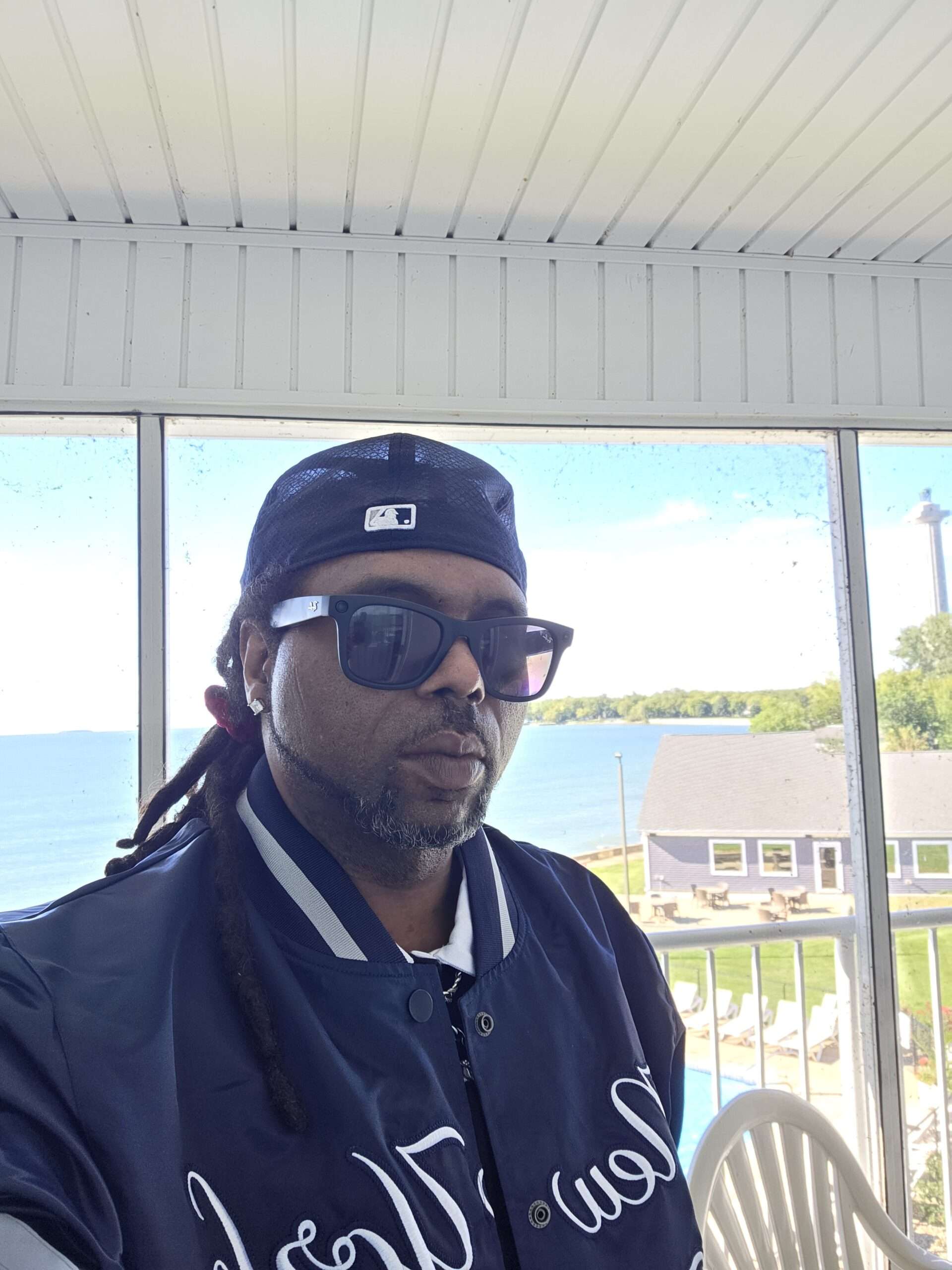
Music becomes more interesting when an artist is willing to explore new ideas while staying true to their own vision. For Young V, the journey has been about more than making records. It is about finding different ways to express himself through songwriting, production and performance while creating music that connects with listeners on a personal level.
Born creatively in Michigan City, Indiana, Young V began making music at the age of 13, turning an early interest in self-expression into a lasting commitment to his craft. His journey later led to a publishing deal with Tate Music Group in 2012, before he continued building his career independently. Working across different aspects of music creation has given him greater control over how his ideas develop, from the words and melodies to the production and final delivery.
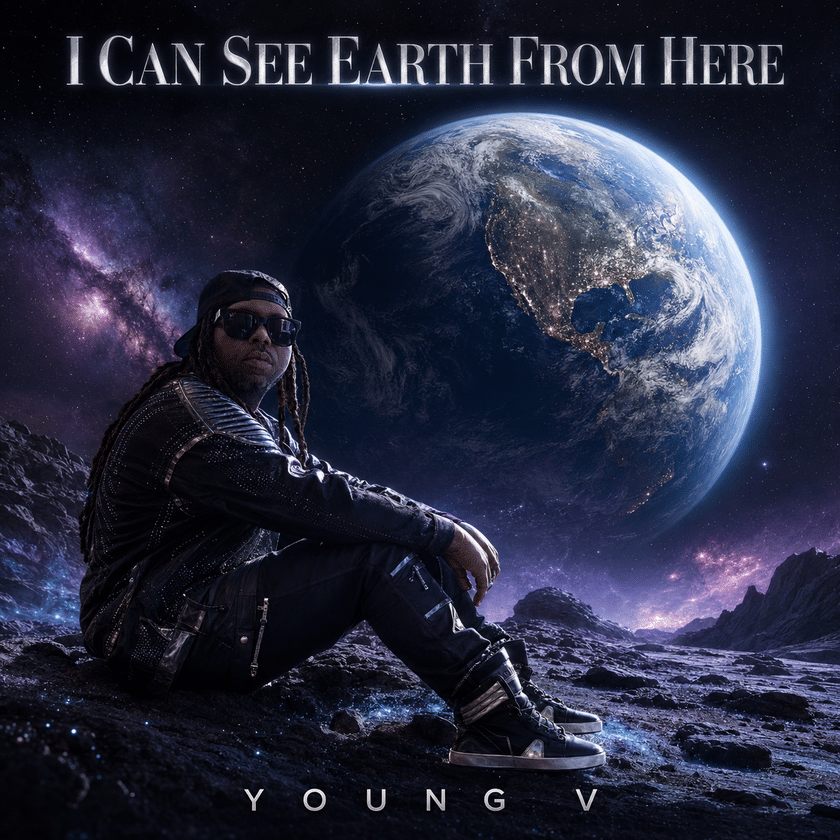
His project, “I Can See Earth From Here,” reflects his interest in ambition, imagination and looking beyond familiar surroundings. With a futuristic atmosphere and themes that touch on personal growth, relationships, pressure and freedom, the project brings together different emotions while maintaining a clear artistic identity. Songs such as “Dollar and a Dream” and “Get Away,” featuring Love Ladda, explore contrasting sides of the journey, from pursuing a vision with limited resources to enjoying the freedom that comes with finding room to breathe. His track “Bad Girl” also highlights his interest in melody, attraction and club-ready energy.
Beyond music, Young V is interested in expanding his creative vision into film, animation and visual storytelling through Bright Star Interactive Solutions. His approach reflects a desire to create experiences that go beyond sound and give audiences more ways to connect with his work.
In this interview with Spinex Music, Young V discusses his early beginnings, the inspiration behind “I Can See Earth From Here,” his approach to songwriting and production, and the balance between personal experiences and universal themes. He also opens up about his creative ambitions, the importance of artistic independence and his plans to explore new possibilities through music and visual storytelling.
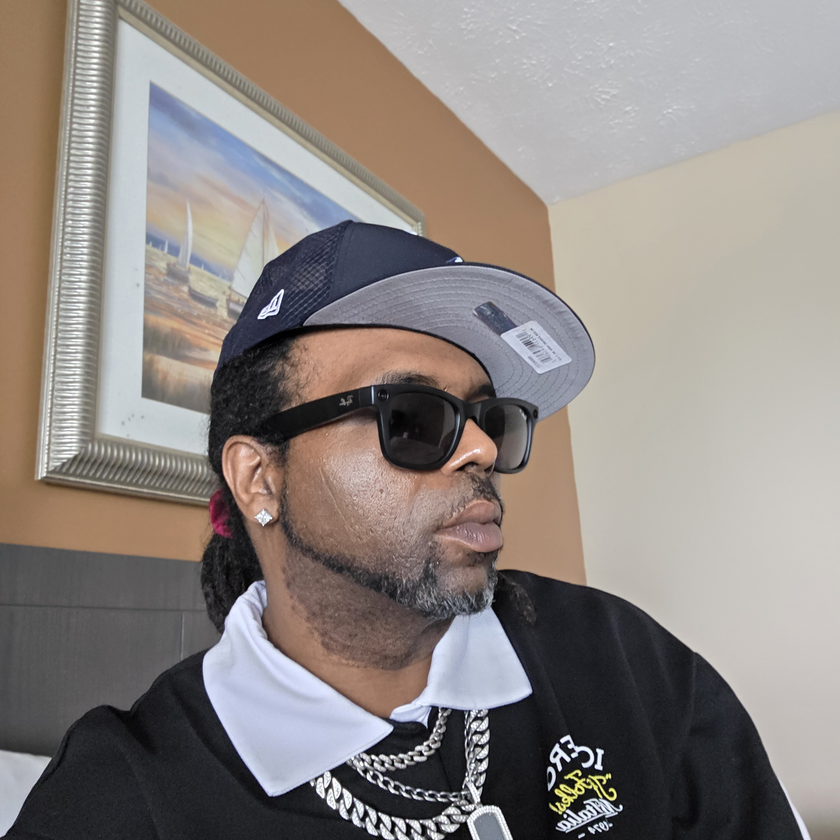
How did your journey into music begin, and what led you to become involved in every part of the process?
I started making music at 13, growing up in Michigan City, Indiana. What began as an interest in expressing myself developed into a commitment to learning the craft. In 2012, I signed a publishing deal with Tate Music Group, and I later continued independently.
Being a writer, producer, and performer gives me more ways to communicate an idea. The words, production, and delivery all affect how a record feels. I want those elements to work together so listeners hear a clear artistic vision.
What inspired the title “I Can See Earth From Here”?
The title represents perspective. When you are caught up in daily pressures, your immediate surroundings can start to feel like the whole world. Looking at Earth from a distance suggests stepping back far enough to see other possibilities.
For me, that connects to ambition and imagination. You can recognize where you come from while allowing yourself to picture something bigger. I wanted the title to create that feeling before listeners even pressed play.
What made you want to take a different musical direction with this project?
I respect what different artists bring to music, but I want my records to have an identity people can recognize. A familiar formula can be effective, yet I’m interested in what happens when you give an unexpected sound or idea room to develop.
With this project, I wanted a futuristic atmosphere while keeping the emotion accessible. The production can feel expansive, but the writing still deals with recognizable experiences: wanting more, dealing with pressure, falling in love, and finding moments of freedom.
How do “Dollar and a Dream” and “Get Away” represent different stages of your journey?
“Dollar and a Dream” represents the ambition you hold onto when your resources have not caught up with your vision. It speaks to the determination required to keep moving before you have much evidence that things will work out.
“Get Away,” featuring Love Ladda, brings in the reward of having room to breathe and share an experience with someone special. Success includes those moments, too. Ambition gives you direction, sacrifice requires choices, and success means building something you can actually enjoy.
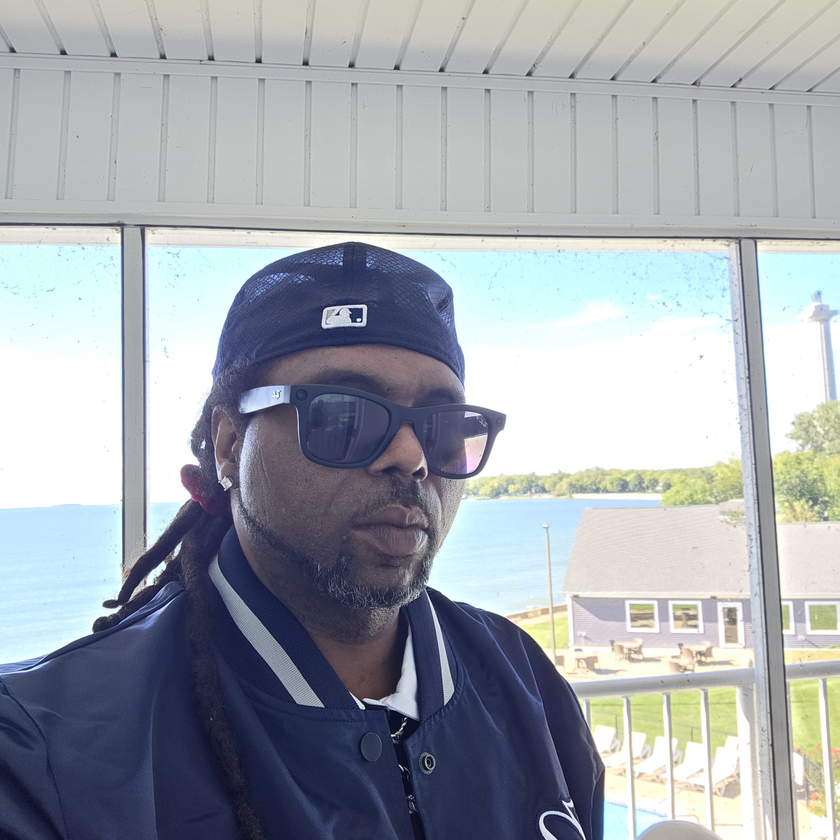
How did you decide which songs belonged on the album?
I wanted each song to have a reason to be there. A record should offer its own story or feeling while contributing to the character of the project.
I think about an album in a cinematic way. Different scenes can carry different emotions and still belong to the same film. I wanted listeners to experience movement—pressure, confidence, intimacy, escape—while feeling connected to the person telling the stories. That emotional range is part of who I am.
How does creating “Bad Girl” compare with building the wider world of this album?
With “Bad Girl,” the focus is on a particular atmosphere: attraction, melody, and the energy of a record that can work in a club. It needs to establish that feeling quickly and keep people engaged.
An album gives me more space to develop different sides of my sound. I can explore the confidence of a club record alongside something more reflective or personal. Both require strong songwriting, but the album also requires attention to how those individual moments work together.
Do you usually start with production, lyrics, or an idea?
The starting point can change, but the feeling is what leads the record. A production idea might suggest a mood, a phrase might suggest a rhythm, or a subject might give the song its direction.
From there, I want the music and writing to support each other. I pay attention to the pocket, the melody, and how naturally the words move. My run-on flow still needs musicality; the listener should be able to follow the thought and feel the rhythm at the same time.
How do you balance your own story with experiences listeners can relate to?
I try to be specific enough for the writing to feel personal while leaving listeners room to recognize their own experiences. Someone may come from a different place or have a different background, but they understand wanting stability, missing someone, feeling overlooked, or working toward a goal.
That connection comes through emotion. I can tell a story from my perspective without explaining exactly how somebody else should feel about it. Once the song reaches them, their experiences become part of how they hear it.
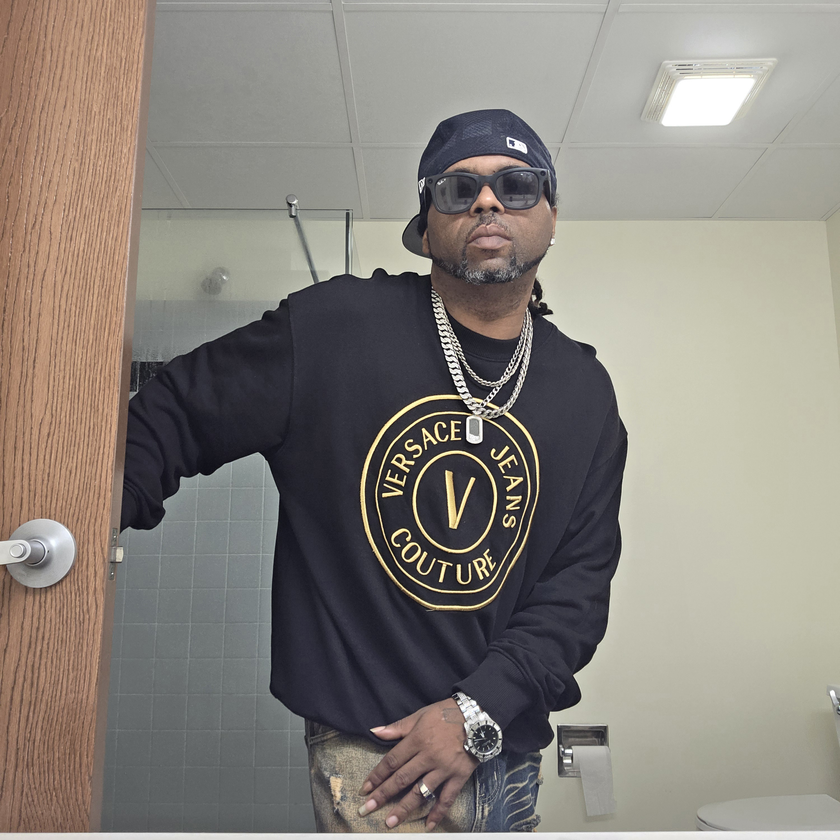
Has making this album changed your perspective on your career or the world?
It has reinforced the importance of thinking beyond the immediate moment. A career requires patience, and it is easy to judge your progress by whatever is happening around you that day.
This project encourages me to look at the larger body of work I’m building. I want to make decisions that support my development as an artist, writer, and producer. Having that wider perspective helps me stay focused while allowing myself room to grow.
What creative directions do you want to explore next, and what should listeners understand about Young V?
I want to keep developing the relationship between music and visual storytelling. Through Bright Star Interactive Solutions, I’m interested in bringing songs into film, animation, and other visual experiences that give the audience another way to connect with the work.
After hearing this album, I hope listeners understand my range and my commitment to the craft. There is ambition in the music, but there is also vulnerability, imagination, and a desire to create memorable experiences. I want people to finish the project feeling that they have spent time in my world—and perhaps see something in their own lives differently.